Server-Side WebRTC Noise Reduction with Pion, FFmpeg, and RNN Models
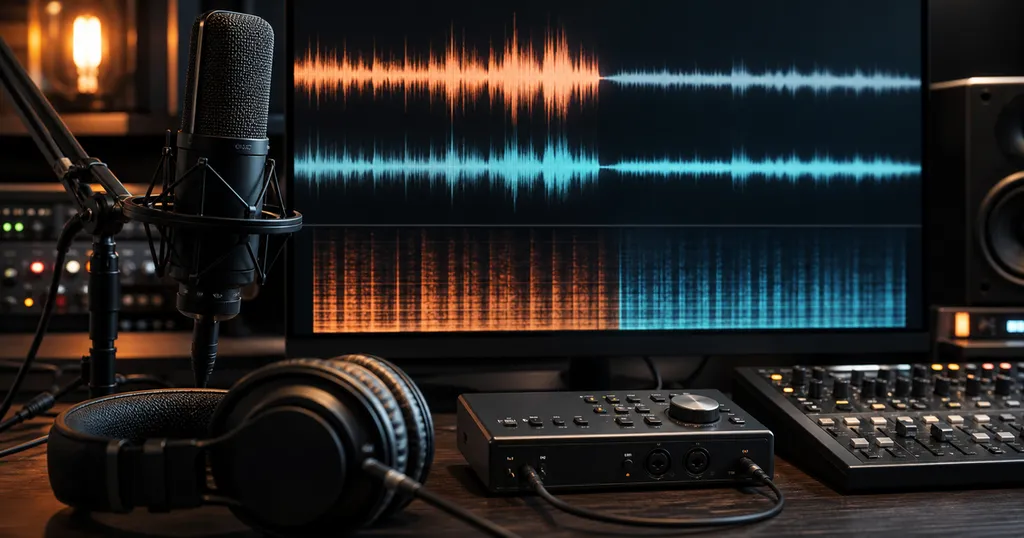
The article discusses a prototype for server-side audio noise reduction in WebRTC calls using Pion, FFmpeg, and RNN models. It emphasizes that the goal is not to replace existing audio processing but to evaluate the effectiveness of server-side filtering. The prototype aims to validate the process of receiving, decoding, and filtering audio tracks before considering real-time applications.
- ▪The server-side audio noise reduction prototype uses Pion to receive WebRTC audio tracks and FFmpeg for noise filtering.
- ▪The initial validation focuses on file-based processing rather than real-time audio forwarding.
- ▪The prototype is based on a public sample project and is not yet production-ready.
Opening excerpt (first ~120 words) tap to expand
PostsTagsCategoriesGitHub English 中文日本語Server-Side WebRTC Noise Reduction With Pion, FFmpeg, and RNN ModelsServer-side audio noise reduction for WebRTC calls should start with a narrow validation target. The goal is not to claim that server-side filtering should replace WebRTC’s built-in audio processing. The goal is to test whether a Go media service can receive an Opus track with Pion, decode it to PCM, run FFmpeg’s RNN noise reduction filter, and produce an output that is worth evaluating.The source experiment is based on a public sample project: snowlyg/webrtc_denoise_use_ffmpge. It is a prototype, not production-ready RTC infrastructure.BackgroundWebRTC already includes audio processing blocks such as echo cancellation, noise suppression, and automatic gain control.
…
Excerpt limited to ~120 words for fair-use compliance. The full article is at Snowlyg's Blog.
Discussion
0 commentsMore from Snowlyg's Blog