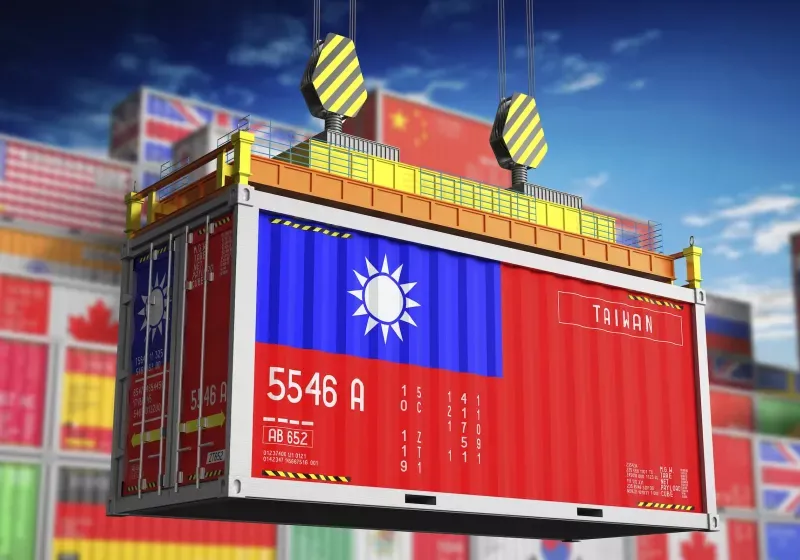
Taiwan is cracking down on AI chip smuggling
Taiwan is cracking down on AI chip smuggling by detaining three individuals accused of falsifying paperwork to move restricted AI servers into China. The case involves about 50 servers built by US-based Super Micro Computer, which integrate chips from Nvidia into data center infrastructure used to train and run AI models. Taiwanese authorities are seeking to enforce US export restrictions and signal a potential shift in how seriously they treat the downstream movement of AI hardware assembled in or routed through the island.
- ▪Three people are facing detention in Taiwan for allegedly sneaking Nvidia-powered servers into China.
- ▪The servers are built by US-based Super Micro Computer and integrate chips from Nvidia into data center infrastructure used to train and run AI models.
- ▪The case involves about 50 servers and is significant because Taiwan plays a central role in the semiconductor supply chain.
TechSpot files mainly under tech. We currently carry 379 of its stories.
Story provenance
Source · retrieval · rights · ranking — open for full record
inspect →
Story provenance
Attribution is not the same as permission. This drawer separates discovery metadata, excerpts, WeSearch-generated summaries, reuse status, and whether the publisher receives the visit. Nothing here claims a legal grant the publisher has not made.
Record
| Original publisher | TechSpot |
| Canonical URL | https://www.techspot.com/news/112487-taiwan-cracking-down-ai-chip-smuggling.html |
| Publication time | Thu, 21 May 2026 13:51 -0500 |
| Retrieval time | 2026-05-21T18:56:35.671Z |
| Last seen | 2026-05-21T18:56:38.037Z |
| Headline source | Publisher (no WeSearch rewrite) |
| Excerpt source | publisher body |
| Excerpt method | First ~120 words (~800 chars) of extracted publisher body, fair-use limited. |
| Summary | WeSearch · cerebras-chat (WeSearch summarizer) |
| Summary source text | contentText |
| Citation coverage | Summary is a WeSearch-generated derivative; primary citation is the original publisher URL. |
| Cluster | YqQHla77-LWL |
| Cluster logic | Grouped by semantic title/content similarity across sources within a rolling window. Same-publisher template collisions are excluded from coverage comparison. |
| Ranking reason | Story pages are not engagement-ranked. Hub feeds use recency, with optional source-diversified chronological ordering (cap consecutive stories per source). No personalized ranking. |
| Publisher visit | Yes — open original |
| Substitutes article? | No — link-out required for full text |
Rights status (four layers)
WeSearch handling by dimension
| Indexing | May the item be indexed (stored, ranked, made findable)? | Allowed |
| Snippet | May a short excerpt of the publisher's text be shown? | Allowed |
| AI summary | May WeSearch generate its own short summary of the article? | Limited |
| Retrieval / RAG | May the content be exposed for third-party retrieval-augmented generation? | Not asserted |
| Model training | May the content be used to train AI models? | Not asserted |
| Commercial reuse | May the content be reused commercially? | Not permitted |
Basis: Derived from the published RSS/Atom feed. Contact: [email protected]. Reviewed: 2026-07-24.
Opening excerpt (first ~120 words) tap to expand
Hardware Industry taiwan exports Taiwan is cracking down on AI chip smuggling Three people are facing detention in Taiwan for allegedly sneaking Nvidia-powered servers into China By Skye Jacobs May 21, 2026, 13:51 Serving tech enthusiasts for over 25 years. TechSpot means tech analysis and advice you can trust. What just happened? Taiwanese authorities are seeking to detain three individuals accused of falsifying paperwork to move restricted AI servers into China, in what appears to be the island's first crackdown related to chip export violations. The case centers on server systems built by US-based Super Micro Computer, which integrate chips from Nvidia into data center infrastructure used to train and run AI models.
…
Excerpt limited to ~120 words for fair-use compliance. The full article is at TechSpot.
Discussion
0 commentsMore from TechSpot