Tech Life
But these photos could also be taken by criminals and used to make distressing deepfake AI images. We speak to the founder of a company which says it has a solution. Also on the programme, the incredible ways graphene can augment our senses – including to smell for diseases.
- ▪But these photos could also be taken by criminals and used to make distressing deepfake AI images.
- ▪We speak to the founder of a company which says it has a solution.
- ▪Also on the programme, the incredible ways graphene can augment our senses – including to smell for diseases.
BBC News — Tech publishes from United Kingdom and files mainly under tech. We currently carry 67 of its stories.
Story provenance
Source · retrieval · rights · ranking — open for full record
inspect →
Story provenance
Attribution is not the same as permission. This drawer separates discovery metadata, excerpts, WeSearch-generated summaries, reuse status, and whether the publisher receives the visit. Nothing here claims a legal grant the publisher has not made.
Record
| Original publisher | BBC News — Tech |
| Canonical URL | https://www.bbc.co.uk/sounds/play/w3ct8jy8?at_medium=RSS&at_campaign=rss |
| Publication time | Tue, 11 Aug 2026 19:30:00 GMT |
| Retrieval time | 2026-08-11T20:00:48.204Z |
| Last seen | 2026-08-11T20:00:48.204Z |
| Headline source | Publisher (no WeSearch rewrite) |
| Excerpt source | publisher body |
| Excerpt method | First ~120 words (~800 chars) of extracted publisher body, fair-use limited. |
| Summary | WeSearch · cerebras-chat (WeSearch summarizer) |
| Summary source text | contentText |
| Citation coverage | Summary is a WeSearch-generated derivative; primary citation is the original publisher URL. |
| Cluster | None |
| Cluster logic | Not yet clustered, or no peer story found in the clustering window. |
| Ranking reason | Story pages are not engagement-ranked. Hub feeds use recency, with optional source-diversified chronological ordering (cap consecutive stories per source). No personalized ranking. |
| Publisher visit | Yes — open original |
| Substitutes article? | No — link-out required for full text |
Rights status (four layers)
WeSearch handling by dimension
| Indexing | May the item be indexed (stored, ranked, made findable)? | Allowed |
| Snippet | May a short excerpt of the publisher's text be shown? | Allowed |
| AI summary | May WeSearch generate its own short summary of the article? | Limited |
| Retrieval / RAG | May the content be exposed for third-party retrieval-augmented generation? | Not asserted |
| Model training | May the content be used to train AI models? | Not asserted |
| Commercial reuse | May the content be reused commercially? | Not permitted |
Basis: Derived from the published RSS/Atom feed. Contact: [email protected]. Reviewed: 2026-07-24.
Opening excerpt (first ~120 words) tap to expand
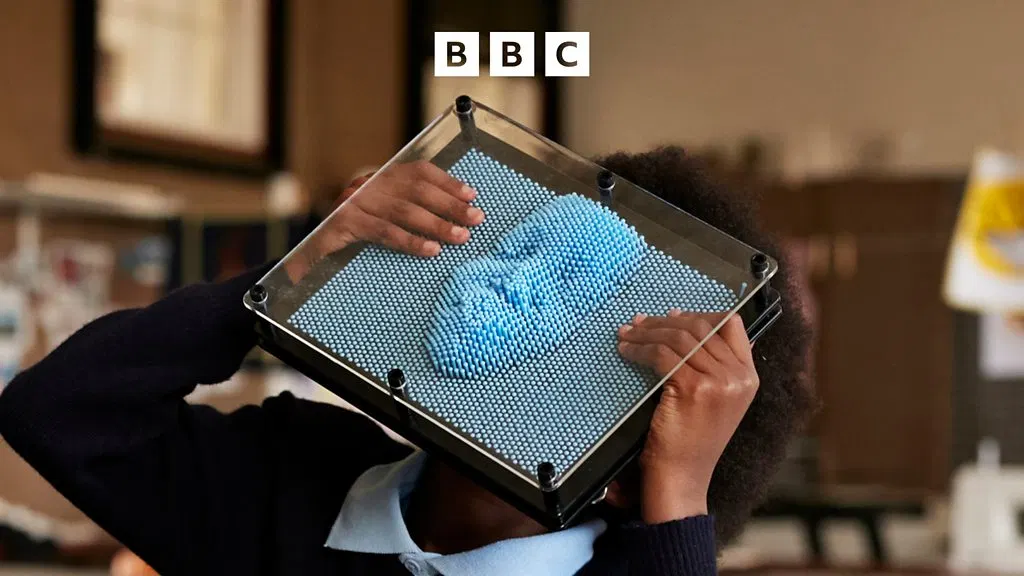
Episode detailsWorld Service,·11 Aug 2026,·26 minsSchool deepfake ransomsTech LifePlayBookmarkBookmarkSubscribeSubscribeAvailable for over a yearFor many schools, it’s normal to post pictures of their own pupils online, either celebrating events or for marketing. But these photos could also be taken by criminals and used to make distressing deepfake AI images. We speak to the founder of a company which says it has a solution. Also on the programme, the incredible ways graphene can augment our senses – including to smell for diseases. And the student with dyslexia who invented his own tech to help him through his course. Presenter: Chris Vallance Producer: Imran Rahman-Jones (Image: A child places a metal pin impression toy over their face, so they cannot be identified.
…
Excerpt limited to ~120 words for fair-use compliance. The full article is at BBC News — Tech.
Discussion
0 commentsMore from BBC News — Tech