That Political Video You Just Liked Is Probably an Ad
Political campaigns are increasingly using social media influencers for endorsements without proper disclosure. This practice raises ethical concerns, particularly regarding compliance with state laws on advertising transparency. Influencers may also pose risks to campaigns by potentially switching allegiances for higher payments.
- ▪Influencers are being paid to promote political candidates without clear disclosure to viewers.
- ▪California gubernatorial candidate Tom Steyer's campaign has faced scrutiny for failing to disclose payments to influencers.
- ▪There are concerns that influencers could extort campaigns for higher fees or switch support to rival candidates.
The Bulwark files mainly under politics. We currently carry 340 of its stories.
Story provenance
Source · retrieval · rights · ranking — open for full record
inspect →
Story provenance
Attribution is not the same as permission. This drawer separates discovery metadata, excerpts, WeSearch-generated summaries, reuse status, and whether the publisher receives the visit. Nothing here claims a legal grant the publisher has not made.
Record
| Original publisher | The Bulwark |
| Canonical URL | https://www.thebulwark.com/p/that-political-video-you-just-liked |
| Publication time | Tue, 19 May 2026 19:00:10 GMT |
| Retrieval time | 2026-05-19T19:04:57.948Z |
| Last seen | 2026-05-19T19:04:57.948Z |
| Headline source | Publisher (no WeSearch rewrite) |
| Excerpt source | publisher body |
| Excerpt method | First ~120 words (~800 chars) of extracted publisher body, fair-use limited. |
| Summary | WeSearch · cerebras-chat (WeSearch summarizer) |
| Summary source text | contentText |
| Citation coverage | Summary is a WeSearch-generated derivative; primary citation is the original publisher URL. |
| Cluster | UTPu41G857h6 |
| Cluster logic | Grouped by semantic title/content similarity across sources within a rolling window. Same-publisher template collisions are excluded from coverage comparison. |
| Ranking reason | Story pages are not engagement-ranked. Hub feeds use recency, with optional source-diversified chronological ordering (cap consecutive stories per source). No personalized ranking. |
| Publisher visit | Yes — open original |
| Substitutes article? | No — link-out required for full text |
Rights status (four layers)
WeSearch handling by dimension
| Indexing | May the item be indexed (stored, ranked, made findable)? | Allowed |
| Snippet | May a short excerpt of the publisher's text be shown? | Allowed |
| AI summary | May WeSearch generate its own short summary of the article? | Limited |
| Retrieval / RAG | May the content be exposed for third-party retrieval-augmented generation? | Not asserted |
| Model training | May the content be used to train AI models? | Not asserted |
| Commercial reuse | May the content be reused commercially? | Not permitted |
Basis: Derived from the published RSS/Atom feed. Contact: [email protected]. Reviewed: 2026-07-24.
Opening excerpt (first ~120 words) tap to expand
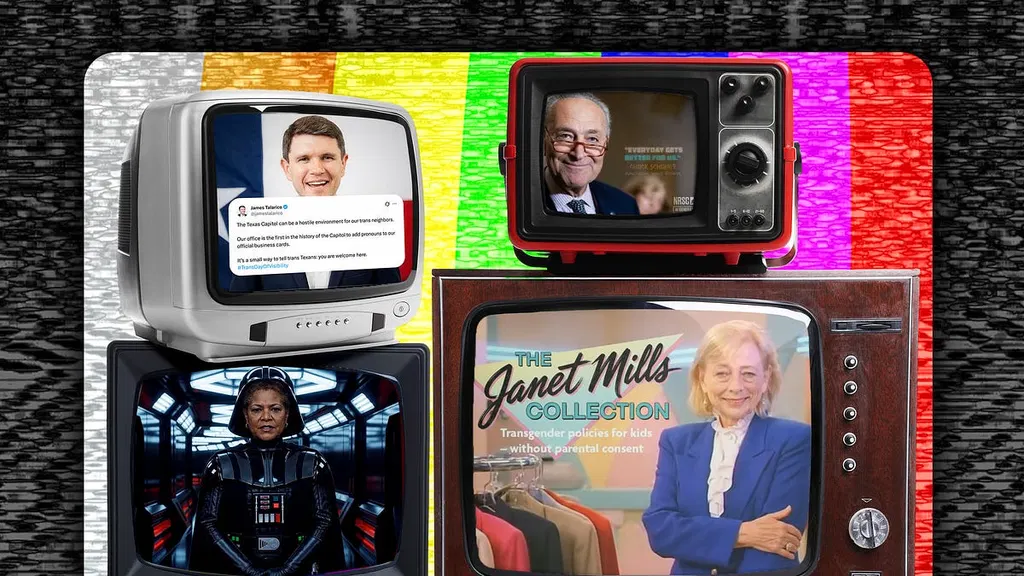
Press PassThat Political Video You Just Liked Is Probably an AdCandidates are paying influencers to back their campaigns without proper disclosure.Joe PerticoneMay 19, 202663Share(Photo illustration by The Bulwark / Photos Shutterstock, X.com)Monsters, Inc.Paid partnerships are a ubiquitous feature of video and photo–forward social media like Instagram and TikTok. Some of the posts are obvious, and they may even include tags like #ad or #sponcon (“sponsored content”) to make clear that the creator is being remunerated for their breathlessly enthusiastic opinion. But sometimes the commercial backing is not so obvious, and this sort of gray-zone #sponcon goes beyond dog food, jeans, and unnecessary supplements.
…
Excerpt limited to ~120 words for fair-use compliance. The full article is at The Bulwark.
Discussion
0 commentsMore from The Bulwark