The Iran miscalculations that we were warned about
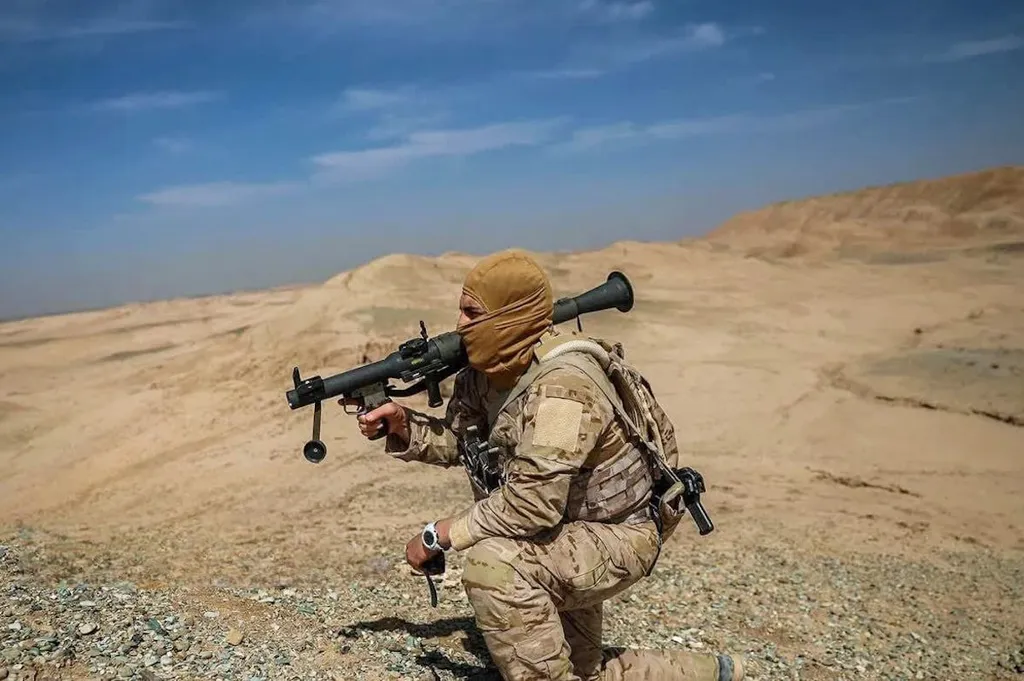
The article discusses the miscalculations made by supporters of the Iran war, highlighting the disconnect between expectations and reality. It emphasizes that assumptions about Iran's fragility and compliance were flawed, as well as the belief in limited retaliation and regional coalition support. The piece critiques the shifting objectives of the war, suggesting that a lack of clear goals has led to significant failures.
- ▪Supporters of the Iran war believed that a weakened Iran would easily comply with pressure and that surgical strikes would lead to quick victories.
- ▪The assumption that Iran would respond to attacks with limited retaliation has proven incorrect, as the country has aggressively targeted American bases across the region.
- ▪The anticipated regional coalition against Iran has not materialized, with Gulf states showing ambivalence and even engaging with Iran despite the conflict.
Asia Times files mainly under world. We currently carry 152 of its stories.
Story provenance
Source · retrieval · rights · ranking — open for full record
inspect →
Attribution is not the same as permission. This drawer separates discovery metadata, excerpts, WeSearch-generated summaries, reuse status, and whether the publisher receives the visit. Nothing here claims a legal grant the publisher has not made.
Record
| Original publisher | Asia Times |
| Canonical URL | https://asiatimes.com/2026/05/the-iran-miscalculations-that-we-were-warned-about/ |
| Publication time | Tue, 26 May 2026 16:23:35 +0000 |
| Retrieval time | 2026-05-26T16:27:49.920Z |
| Last seen | 2026-05-26T16:27:51.599Z |
| Headline source | Publisher (no WeSearch rewrite) |
| Excerpt source | publisher body |
| Excerpt method | First ~120 words (~800 chars) of extracted publisher body, fair-use limited. |
| Summary | WeSearch · cerebras-chat (WeSearch summarizer) |
| Summary source text | contentText |
| Citation coverage | Summary is a WeSearch-generated derivative; primary citation is the original publisher URL. |
| Cluster | nzYPOn9dtJom |
| Cluster logic | Grouped by semantic title/content similarity across sources within a rolling window. Same-publisher template collisions are excluded from coverage comparison. |
| Ranking reason | Story pages are not engagement-ranked. Hub feeds use recency, with optional source-diversified chronological ordering (cap consecutive stories per source). No personalized ranking. |
| Publisher visit | Yes — open original |
| Substitutes article? | No — link-out required for full text |
Rights status (four layers)
WeSearch handling by dimension
| Indexing | May the item be indexed (stored, ranked, made findable)? | Allowed |
| Snippet | May a short excerpt of the publisher's text be shown? | Allowed |
| AI summary | May WeSearch generate its own short summary of the article? | Limited |
| Retrieval / RAG | May the content be exposed for third-party retrieval-augmented generation? | Not asserted |
| Model training | May the content be used to train AI models? | Not asserted |
| Commercial reuse | May the content be reused commercially? | Not permitted |
Basis: Derived from the published RSS/Atom feed. Contact: [email protected]. Reviewed: 2026-07-24.
Opening excerpt (first ~120 words) tap to expand
There is a particular kind of silence that follows a war’s opening salvos — the silence of think-tank papers being quietly archived, of cable-news predictions being scrubbed from the chyron, of confident assurances that “this time it will be different” colliding with the stubborn evidence that, in fact, it never is. Twelve weeks into the Iran war, that silence is louder than the bombing. Let’s review what the war’s supporters told us, because we owe ourselves the discipline of remembering. We were told that the strikes would be surgical. We were told that a weakened Iran would prove brittle — that a regime battered by sanctions, decapitated of Hezbollah’s deterrent shield, and abandoned by a collapsed Assad in Damascus would fold under sufficient pressure.
…
Excerpt limited to ~120 words for fair-use compliance. The full article is at Asia Times.
Discussion
0 commentsMore from Asia Times