The leakage and lies keeping Indonesia’s rupiah weak
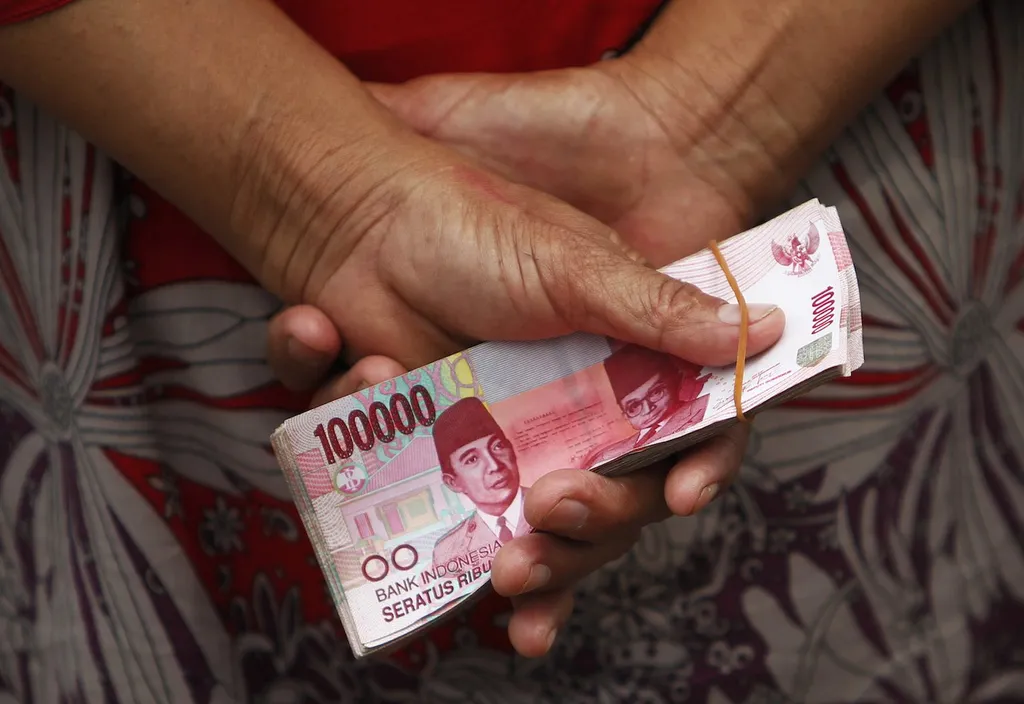
Indonesia's rupiah remains weak despite impressive trade surpluses from rising global commodity prices. This is largely due to capital flight driven by export under-invoicing and aggressive transfer pricing by corporate oligarchies. The Indonesian government is now implementing reforms to regain control over its natural wealth and curb these financial leakages.
- ▪Indonesia has experienced cumulative losses of approximately $908 billion from under-invoicing between 1991 and 2024.
- ▪In 2016, the country potentially lost $6.5 billion in state revenue due to trade manipulation.
- ▪The government has launched reforms including tighter rules on export proceeds and the establishment of a state-controlled commodity export agency.
Asia Times files mainly under world. We currently carry 156 of its stories.
Story provenance
Source · retrieval · rights · ranking — open for full record
inspect →
Story provenance
Attribution is not the same as permission. This drawer separates discovery metadata, excerpts, WeSearch-generated summaries, reuse status, and whether the publisher receives the visit. Nothing here claims a legal grant the publisher has not made.
Record
| Original publisher | Asia Times |
| Canonical URL | https://asiatimes.com/2026/05/the-leakage-and-lies-keeping-indonesias-rupiah-weak/ |
| Publication time | Fri, 29 May 2026 07:50:26 +0000 |
| Retrieval time | 2026-05-29T07:54:59.366Z |
| Last seen | 2026-05-29T07:54:59.366Z |
| Headline source | Publisher (no WeSearch rewrite) |
| Excerpt source | publisher body |
| Excerpt method | First ~120 words (~800 chars) of extracted publisher body, fair-use limited. |
| Summary | WeSearch · cerebras-chat (WeSearch summarizer) |
| Summary source text | contentText |
| Citation coverage | Summary is a WeSearch-generated derivative; primary citation is the original publisher URL. |
| Cluster | G4SY3yGuzvdv |
| Cluster logic | Grouped by semantic title/content similarity across sources within a rolling window. Same-publisher template collisions are excluded from coverage comparison. |
| Ranking reason | Story pages are not engagement-ranked. Hub feeds use recency, with optional source-diversified chronological ordering (cap consecutive stories per source). No personalized ranking. |
| Publisher visit | Yes — open original |
| Substitutes article? | No — link-out required for full text |
Rights status (four layers)
WeSearch handling by dimension
| Indexing | May the item be indexed (stored, ranked, made findable)? | Allowed |
| Snippet | May a short excerpt of the publisher's text be shown? | Allowed |
| AI summary | May WeSearch generate its own short summary of the article? | Limited |
| Retrieval / RAG | May the content be exposed for third-party retrieval-augmented generation? | Not asserted |
| Model training | May the content be used to train AI models? | Not asserted |
| Commercial reuse | May the content be reused commercially? | Not permitted |
Basis: Derived from the published RSS/Atom feed. Contact: [email protected]. Reviewed: 2026-07-24.
Opening excerpt (first ~120 words) tap to expand
Indonesia embodies one of the strangest paradoxes in emerging-market economics. Every time global commodity prices, from coal to crude palm oil (CPO), surge, the country posts impressive trade surpluses. Yet the glow of those export windfalls rarely translates into a stronger rupiah, which remains chronically vulnerable to depreciation pressures. Behind the headline export figures lies a quieter but far more damaging reality, a persistent stream of capital flight systematically draining the nation’s financial wealth. This is not merely a technical flaw in market mechanisms. It is a form of organized economic predation sustained through transaction manipulation by entrenched corporate oligarchies.
…
Excerpt limited to ~120 words for fair-use compliance. The full article is at Asia Times.
Discussion
0 commentsMore from Asia Times