The Middle East after the American imperium
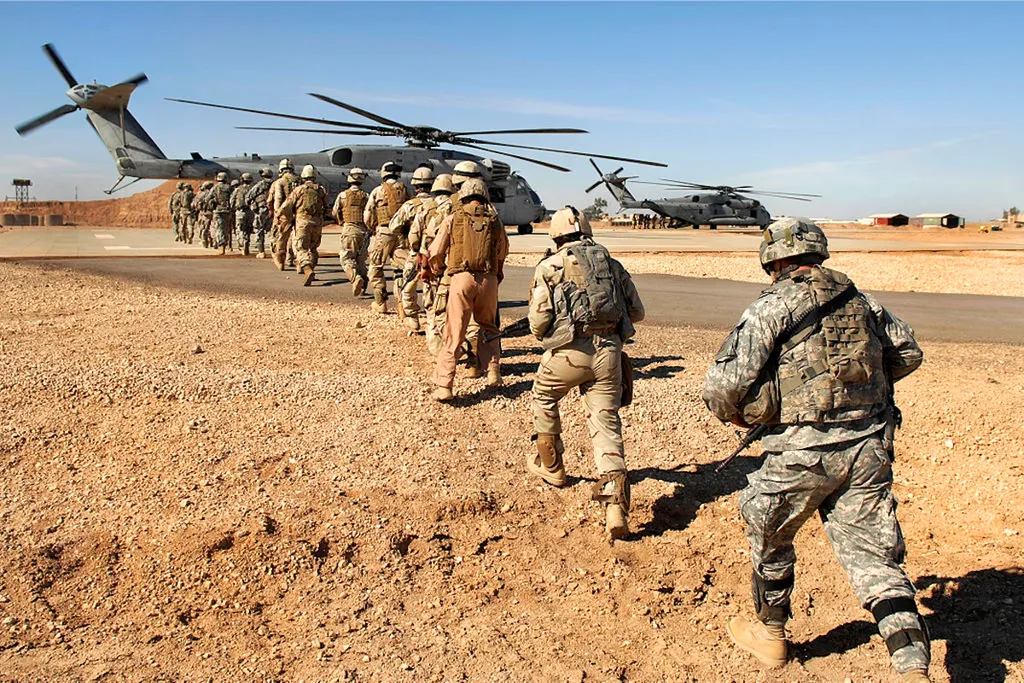
For three-quarters of a century, the Middle East operated inside an American frame. Washington was not the only actor, but it was the reference point — the guarantor whose fleets, bases, and diplomatic weight set the outer boundaries of what regional rivals could do to one another. But it has thinned, and what is emerging in its place is less a new order than the return of an old condition: a genuine multipolar contest among regional powers, hedging outside powers, and a Washington that intervenes selectively rather than presides continuously.
- ▪For three-quarters of a century, the Middle East operated inside an American frame.
- ▪Washington was not the only actor, but it was the reference point — the guarantor whose fleets, bases, and diplomatic weight set the outer boundaries of what regional rivals could do to one another.
- ▪But it has thinned, and what is emerging in its place is less a new order than the return of an old condition: a genuine multipolar contest among regional powers, hedging outside powers, and a Washington that intervenes selectively rather t
Asia Times files mainly under world. We currently carry 141 of its stories.
Opening excerpt (first ~120 words) tap to expand
For three-quarters of a century, the Middle East operated inside an American frame. Washington was not the only actor, but it was the reference point — the guarantor whose fleets, bases, and diplomatic weight set the outer boundaries of what regional rivals could do to one another. That frame is not gone, exactly. But it has thinned, and what is emerging in its place is less a new order than the return of an old condition: a genuine multipolar contest among regional powers, hedging outside powers, and a Washington that intervenes selectively rather than presides continuously. The vacuum that isn’t empty It has become a cliché to describe American retrenchment as leaving a “vacuum.” The metaphor is misleading.
…
Excerpt limited to ~120 words for fair-use compliance. The full article is at Asia Times.
Discussion
0 commentsMore from Asia Times