The sustained heatwave in India and Pakistan is quite dangerous
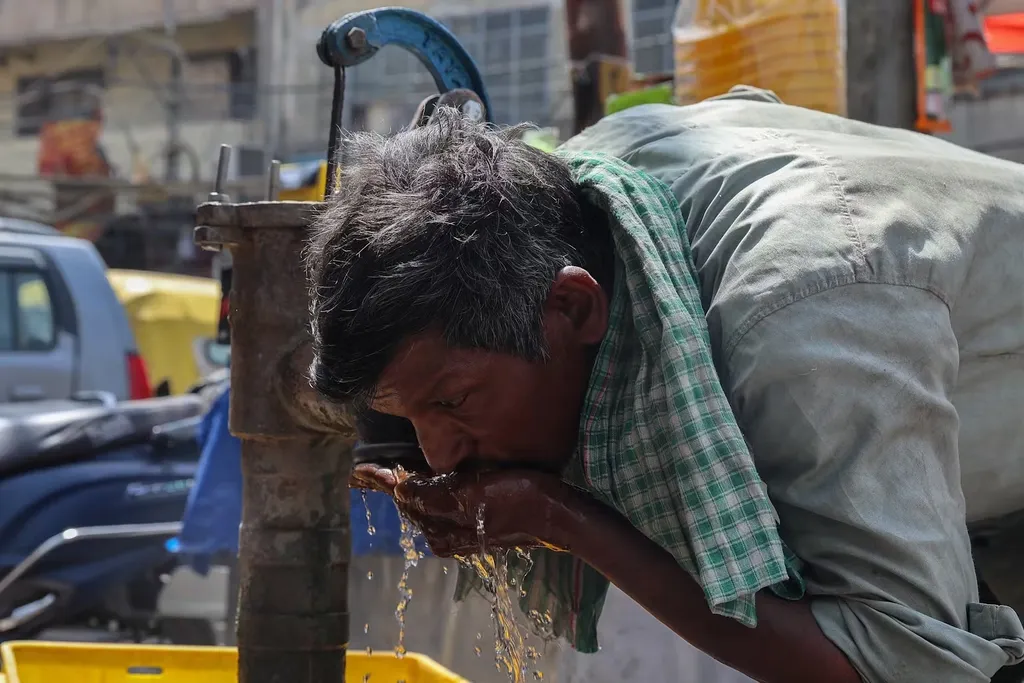
India and Pakistan are experiencing an intense and sustained heatwave, with temperatures exceeding 46°C in many areas. This extreme weather has led to record electricity demand and worsened drought conditions, affecting millions. The combination of high temperatures and humidity poses significant health risks, resulting in numerous heat-related fatalities.
- ▪Daily maximum temperatures have topped 46°C in many locations across India and Pakistan.
- ▪The heatwave has claimed at least 37 lives in India and 10 in Pakistan, with actual numbers likely being higher due to underreporting.
- ▪Persistent high-pressure weather systems are trapping hot air and suppressing cooling rain, exacerbating the heat conditions.
2 outlets in our directory ran this story, first to last over 27 hours. All of the coverage we found sits in one bucket: centre. That one-sidedness is itself worth noticing.
Asia Times files mainly under world. We currently carry 156 of its stories.
Story provenance
Source · retrieval · rights · ranking — open for full record
inspect →
Story provenance
Attribution is not the same as permission. This drawer separates discovery metadata, excerpts, WeSearch-generated summaries, reuse status, and whether the publisher receives the visit. Nothing here claims a legal grant the publisher has not made.
Record
| Original publisher | Asia Times |
| Canonical URL | https://asiatimes.com/2026/05/the-sustained-heatwave-in-india-and-pakistan-is-quite-dangerous/ |
| Publication time | Fri, 29 May 2026 16:49:51 +0000 |
| Retrieval time | 2026-05-29T16:55:02.306Z |
| Last seen | 2026-05-29T16:55:02.306Z |
| Headline source | Publisher (no WeSearch rewrite) |
| Excerpt source | publisher body |
| Excerpt method | First ~120 words (~800 chars) of extracted publisher body, fair-use limited. |
| Summary | WeSearch · cerebras-chat (WeSearch summarizer) |
| Summary source text | contentText |
| Citation coverage | Summary is a WeSearch-generated derivative; primary citation is the original publisher URL. |
| Cluster | diRimVOYXuyt · 2 stories |
| Cluster logic | Grouped by semantic title/content similarity across sources within a rolling window. Same-publisher template collisions are excluded from coverage comparison. |
| Ranking reason | Story pages are not engagement-ranked. Hub feeds use recency, with optional source-diversified chronological ordering (cap consecutive stories per source). No personalized ranking. |
| Publisher visit | Yes — open original |
| Substitutes article? | No — link-out required for full text |
Rights status (four layers)
WeSearch handling by dimension
| Indexing | May the item be indexed (stored, ranked, made findable)? | Allowed |
| Snippet | May a short excerpt of the publisher's text be shown? | Allowed |
| AI summary | May WeSearch generate its own short summary of the article? | Limited |
| Retrieval / RAG | May the content be exposed for third-party retrieval-augmented generation? | Not asserted |
| Model training | May the content be used to train AI models? | Not asserted |
| Commercial reuse | May the content be reused commercially? | Not permitted |
Basis: Derived from the published RSS/Atom feed. Contact: [email protected]. Reviewed: 2026-07-24.
Opening excerpt (first ~120 words) tap to expand
India and Pakistan are no strangers to heat. This time of year is the worst, as heat peaks before the monsoon brings cooler conditions from June. But this year’s heat is something else. Intense, sustained heat began in mid-April. Daily maximum temperatures have topped 46°C in many locations, with some areas running around 5-to-8°C above seasonal norms. The unrelenting heat has driven record demand for electricity in India as people turn on air conditioners – and worsened drought conditions affecting more than a million square kilometers across both countries. When extreme heat combines with humidity, it can be lethal. Human bodies cannot cool themselves easily in these conditions. The heatwave has claimed at least 37 lives in India and 10 in Pakistan.
…
Excerpt limited to ~120 words for fair-use compliance. The full article is at Asia Times.
Discussion
0 commentsMore from Asia Times