The Wages of Economic Warfare
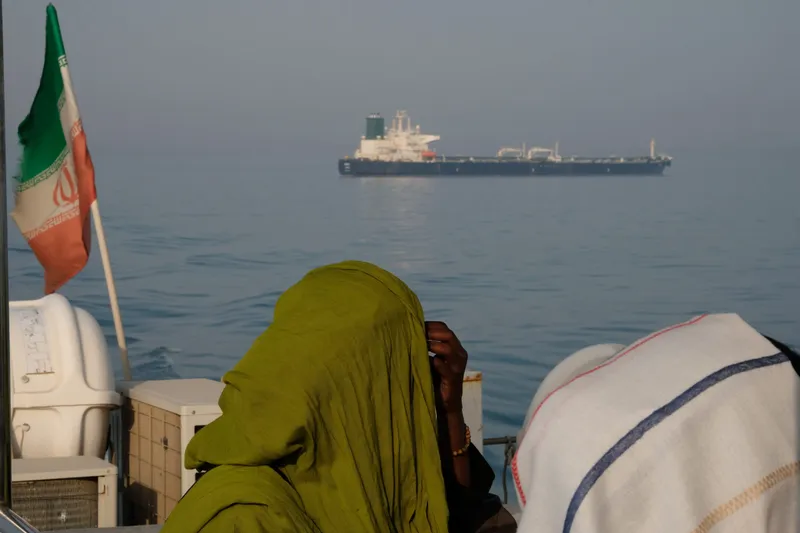
The article discusses the repercussions of the U.S. decision to go to war with Iran, highlighting the lack of support from many allies. It emphasizes the negative economic impacts on both developed and developing countries, particularly through rising fuel prices and inflation. The piece warns that the war may strain U.S. relations with nations that did not support the conflict, as they face significant challenges due to the resulting energy crisis.
- ▪The U.S. was largely unsupported by allies in its decision to go to war with Iran.
- ▪Developing countries are experiencing severe economic impacts, with Indonesia limiting fuel sales and Pakistan facing blackouts.
- ▪The war has led to rising gas prices and inflation in the U.S., affecting global markets.
Opening excerpt (first ~120 words) tap to expand
Foreign Affairs The Wages of Economic Warfare How to lose friends and influence people. Anik Joshi Jun 5, 2026 12:05 AM Loading the Elevenlabs Text to Speech AudioNative Player... The U.S. was not joined by many allies in its decision to go to war with Iran. Israel and some of the Gulf countries were the strongest supporters of the decision by far. Europeans opted to pass. Asian allies, like the Europeans, were far from supportive of the war because of both its first- and second-order effects. The war so far is affecting the U.S. mainly through higher gas prices and inflation—but when America sneezes, the world catches a cold. Developed markets are somewhat able to absorb shocks, but there are limits.
…
Excerpt limited to ~120 words for fair-use compliance. The full article is at The American Conservative.
Discussion
0 commentsMore from The American Conservative