There Will be No Taylor Swift, AI Version… if She Has Anything to Say About It
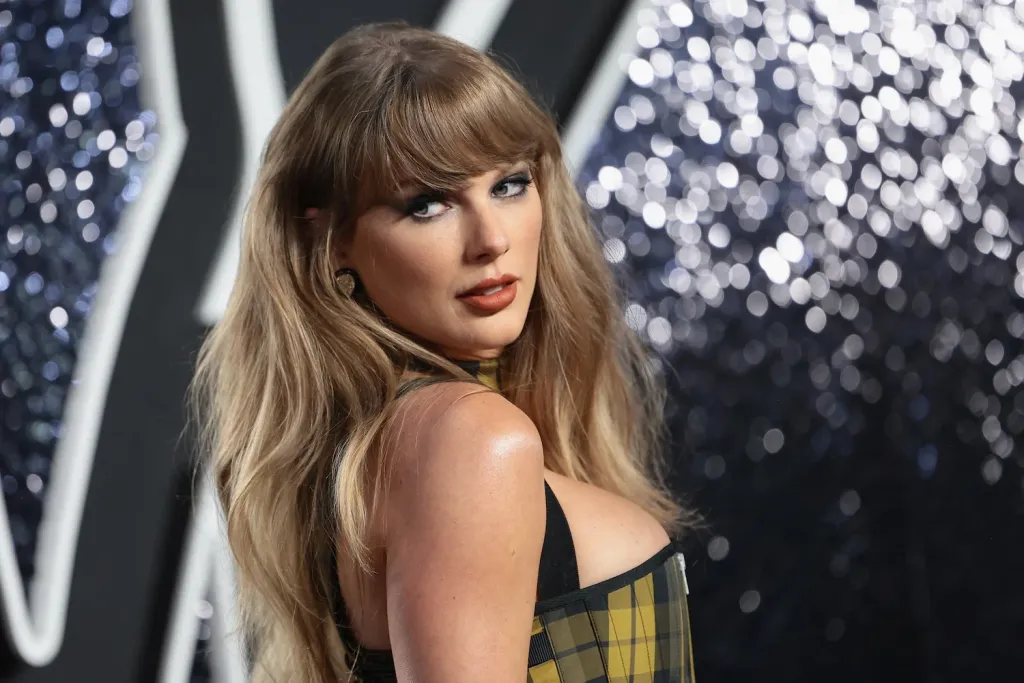
Taylor Swift is taking steps to protect her likeness from unauthorized use in generative AI. She has filed three trademark applications to safeguard her voice and image, following a similar strategy used by Matthew McConaughey. This legal approach aims to deter AI firms from using her likeness without consent, although its effectiveness in court remains uncertain.
- ▪Taylor Swift has filed three trademark applications with the US Patent and Trademark Office to protect her likeness from generative AI.
- ▪The trademarks include audio of her voice and a photograph of her on stage.
- ▪This strategy is inspired by Matthew McConaughey's legal protections against unauthorized use of his likeness.
Gizmodo files mainly under tech. We currently carry 594 of its stories.
Story provenance
Source · retrieval · rights · ranking — open for full record
inspect →
Story provenance
Attribution is not the same as permission. This drawer separates discovery metadata, excerpts, WeSearch-generated summaries, reuse status, and whether the publisher receives the visit. Nothing here claims a legal grant the publisher has not made.
Record
| Original publisher | Gizmodo |
| Canonical URL | https://gizmodo.com/there-will-be-no-taylor-swift-ai-version-if-she-has-anything-to-say-about-it-2000751766 |
| Publication time | Tue, 28 Apr 2026 18:25:48 +0000 |
| Retrieval time | 2026-04-28T18:31:49.574Z |
| Last seen | 2026-04-28T18:31:49.574Z |
| Headline source | Publisher (no WeSearch rewrite) |
| Excerpt source | publisher body |
| Excerpt method | First ~120 words (~800 chars) of extracted publisher body, fair-use limited. |
| Summary | WeSearch · cerebras-chat (WeSearch summarizer) |
| Summary source text | contentText |
| Citation coverage | Summary is a WeSearch-generated derivative; primary citation is the original publisher URL. |
| Cluster | GoTJKXWS2BhR |
| Cluster logic | Grouped by semantic title/content similarity across sources within a rolling window. Same-publisher template collisions are excluded from coverage comparison. |
| Ranking reason | Story pages are not engagement-ranked. Hub feeds use recency, with optional source-diversified chronological ordering (cap consecutive stories per source). No personalized ranking. |
| Publisher visit | Yes — open original |
| Substitutes article? | No — link-out required for full text |
Rights status (four layers)
WeSearch handling by dimension
| Indexing | May the item be indexed (stored, ranked, made findable)? | Allowed |
| Snippet | May a short excerpt of the publisher's text be shown? | Allowed |
| AI summary | May WeSearch generate its own short summary of the article? | Limited |
| Retrieval / RAG | May the content be exposed for third-party retrieval-augmented generation? | Not asserted |
| Model training | May the content be used to train AI models? | Not asserted |
| Commercial reuse | May the content be reused commercially? | Not permitted |
Basis: Derived from the published RSS/Atom feed. Contact: [email protected]. Reviewed: 2026-07-24.
Opening excerpt (first ~120 words) tap to expand
Taylor Swift is very protective of her image in the public eye. Turns out, she’s quite protective of it in the eyes of AI, too. Now, the pop star is following a blueprint established by Matthew McConaughey to potentially create a legal shield that would protect her likeness from being used in generative AI outputs in a way she doesn’t approve…
Excerpt limited to ~120 words for fair-use compliance. The full article is at Gizmodo.
Discussion
0 commentsMore from Gizmodo