There's a Reason Why Smelly Feet Are So Hard to Ignore — Here's What You Can Do About It
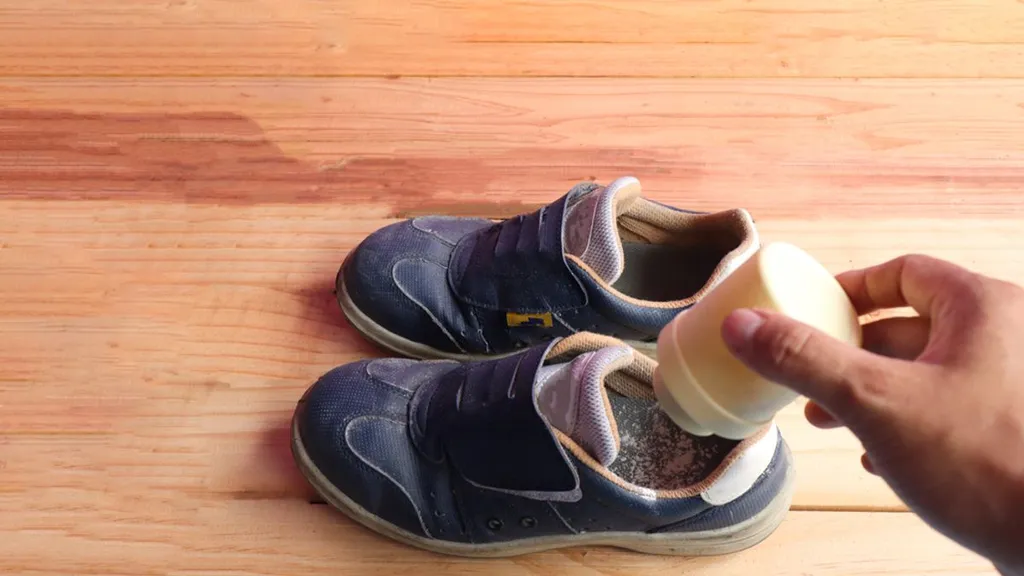
Foot odor, medically known as bromodosis, results from bacteria metabolizing sweat proteins and fats on the skin. The damp, enclosed environment of shoes promotes bacterial growth, especially strains like Staphylococcus epidermidis and Brevibacterium that emit a cheesy smell. Simple hygiene measures such as thorough foot washing, airing or UV‑treating shoes, and replacing insoles can effectively reduce the odor.
- ▪Bacteria on the skin feed on sweat proteins and fats, producing acids that cause the characteristic foot odor.
- ▪Specific bacterial species, including Staphylococcus epidermidis and Brevibacterium, are linked to the cheesy scent associated with smelly feet.
- ▪Shoes provide a moist, dark habitat where bacteria thrive, making them a primary source of foot odor.
- ▪Preventive actions include daily washing of feet with soap and hot water, allowing shoes to air out or using UV sanitizers, and regularly replacing or cleaning shoe insoles.
Discover Magazine files mainly under science. We currently carry 78 of its stories.
Opening excerpt (first ~120 words) tap to expand
Everybody stinks. It’s a fact of human existence. At any given moment, our bodies (or the microbes living in and on them) can produce a wide range of odors. And that’s a good thing. From an evolutionary standpoint, how we smell to one another offers insight into compatibility with a potential mate, provides chemical signals about our physical or emotional state, and much more, according to Science Direct.But that’s not the kind of body odor most people are concerned about, mainly because those chemical cues are often so subtle we don’t even register them as scents.
…
Excerpt limited to ~120 words for fair-use compliance. The full article is at Discover Magazine.
Discussion
0 commentsMore from Discover Magazine