Unacceptable bacteria levels at Jersey beaches
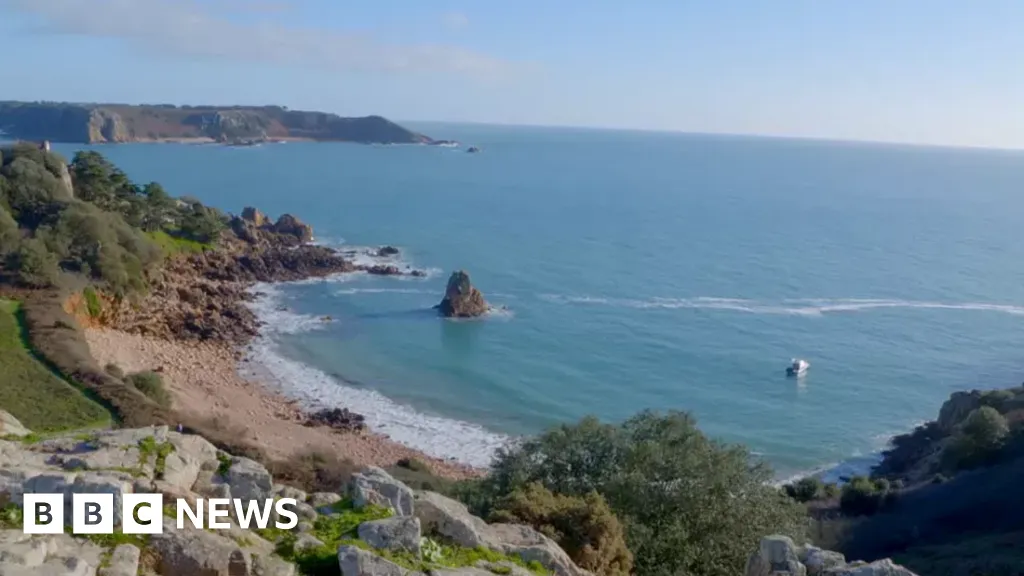
Recent tests have revealed unacceptable levels of bacteria in the seawater at several Jersey beaches. The Infrastructure and Environment department attributed these high levels to significant rainfall that caused runoff into the sea. Weekly monitoring will continue until September 21, with public health advice to avoid swimming for at least 48 hours after heavy rain.
- ▪Bacteriological seawater samples showed high levels of pollutants at Plemont, Grouville, Harve des Pas, and Victoria Pool.
- ▪The poor results were linked to significant rainfall on May 17 and 18.
- ▪Weekly monitoring of 16 bays will continue until September 21.
BBC News — Science publishes from United Kingdom and files mainly under science. We currently carry 94 of its stories.
Story provenance
Source · retrieval · rights · ranking — open for full record
inspect →
Story provenance
Attribution is not the same as permission. This drawer separates discovery metadata, excerpts, WeSearch-generated summaries, reuse status, and whether the publisher receives the visit. Nothing here claims a legal grant the publisher has not made.
Record
| Original publisher | BBC News — Science |
| Canonical URL | https://www.bbc.com/news/articles/cj0pp45md0lo?at_medium=RSS&at_campaign=rss |
| Publication time | Mon, 25 May 2026 12:08:52 GMT |
| Retrieval time | 2026-05-25T12:12:36.906Z |
| Last seen | 2026-05-25T12:12:36.906Z |
| Headline source | Publisher (no WeSearch rewrite) |
| Excerpt source | publisher body |
| Excerpt method | First ~120 words (~800 chars) of extracted publisher body, fair-use limited. |
| Summary | WeSearch · cerebras-chat (WeSearch summarizer) |
| Summary source text | contentText |
| Citation coverage | Summary is a WeSearch-generated derivative; primary citation is the original publisher URL. |
| Cluster | hGlJxd0ar6oO |
| Cluster logic | Grouped by semantic title/content similarity across sources within a rolling window. Same-publisher template collisions are excluded from coverage comparison. |
| Ranking reason | Story pages are not engagement-ranked. Hub feeds use recency, with optional source-diversified chronological ordering (cap consecutive stories per source). No personalized ranking. |
| Publisher visit | Yes — open original |
| Substitutes article? | No — link-out required for full text |
Rights status (four layers)
WeSearch handling by dimension
| Indexing | May the item be indexed (stored, ranked, made findable)? | Allowed |
| Snippet | May a short excerpt of the publisher's text be shown? | Allowed |
| AI summary | May WeSearch generate its own short summary of the article? | Limited |
| Retrieval / RAG | May the content be exposed for third-party retrieval-augmented generation? | Not asserted |
| Model training | May the content be used to train AI models? | Not asserted |
| Commercial reuse | May the content be reused commercially? | Not permitted |
Basis: Derived from the published RSS/Atom feed. Contact: [email protected]. Reviewed: 2026-07-24.
Opening excerpt (first ~120 words) tap to expand
Unacceptable bacteria levels at Jersey beachesJust nowShareSaveAdd as preferred on GoogleBBCMonitoring is due to continue until 21 SeptemberRestarted weekly tests to determine the quality of Jersey's seawater have identified "unacceptable levels of bacteria in seawater" in some spots. Infrastructure and Environment said routine bacteriological seawater samples taken on 18 and 19 May at Plemont, Grouville, Harve des Pas and Victoria Pool found the high levels of pollutants.Staff said they believed the poor results were due to significant rainfall on 17 and 18 May which caused runoff from land into the sea. They said beaches would be re-sampled on Tuesday and Wednesday. They added general public health advice was to avoid entering the sea for at least 48 hours after heavy rainfall events.
…
Excerpt limited to ~120 words for fair-use compliance. The full article is at BBC News — Science.
Discussion
0 commentsMore from BBC News — Science