
US Cyber Agency: To Foil Hackers, Don't Be Afraid To Use Decoys and Deception
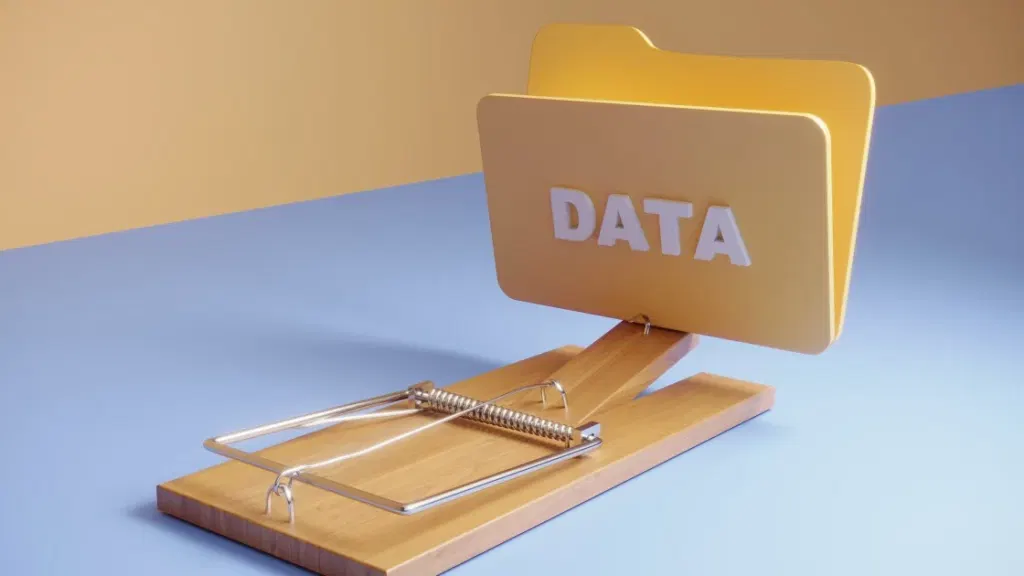
The US Cybersecurity and Infrastructure Security Agency (CISA) has published an advisory urging organizations to use deceptive tactics like cyber decoys to detect and deter hackers. The document outlines methods such as honeytokens and honeypots to distract attackers from sensitive data and signal network compromises. This guidance is specifically tailored for small to medium-sized organizations and critical infrastructure providers to enhance their defensive capabilities.
- ▪CISA has released a 22-page advisory recommending the use of cyber decoys to help defenders detect and foil hackers.
- ▪The techniques include deploying tripwires, breadcrumbs, honeytokens, and honeypots to distract attackers and consume their resources.
- ▪The advisory is designed for small to medium-sized organizations and critical infrastructure sectors that may lack extensive cybersecurity resources.
- ▪Decoys are placed in locations where legitimate users rarely interact, so any access or execution indicates malicious activity.
- ▪The goal is to trick hackers into exfiltrating non-sensitive data while alerting defensive teams to the breach.
PCMag files mainly under tech. We currently carry 557 of its stories.
Story provenance
Source · retrieval · rights · ranking — open for full record
inspect →
Story provenance
Attribution is not the same as permission. This drawer separates discovery metadata, excerpts, WeSearch-generated summaries, reuse status, and whether the publisher receives the visit. Nothing here claims a legal grant the publisher has not made.
Record
| Original publisher | PCMag |
| Canonical URL | https://www.pcmag.com/news/us-cyber-agency-to-foil-hackers-dont-be-afraid-to-use-decoys-and-deception |
| Publication time | Wed, 16 Sep 26 21:41:17 +0000 |
| Retrieval time | 2026-09-16T21:58:41.677Z |
| Last seen | 2026-09-16T21:58:41.677Z |
| Headline source | Publisher (no WeSearch rewrite) |
| Excerpt source | publisher body |
| Excerpt method | First ~120 words (~800 chars) of extracted publisher body, fair-use limited. |
| Summary | WeSearch · cerebras-chat (WeSearch summarizer) |
| Summary source text | contentText |
| Citation coverage | Summary is a WeSearch-generated derivative; primary citation is the original publisher URL. |
| Cluster | vqsyjr24ejNh · 1 stories |
| Cluster logic | Grouped by semantic title/content similarity across sources within a rolling window. Same-publisher template collisions are excluded from coverage comparison. |
| Ranking reason | Story pages are not engagement-ranked. Hub feeds use recency, with optional source-diversified chronological ordering (cap consecutive stories per source). No personalized ranking. |
| Publisher visit | Yes — open original |
| Substitutes article? | No — link-out required for full text |
Rights status (four layers)
WeSearch handling by dimension
| Indexing | May the item be indexed (stored, ranked, made findable)? | Allowed |
| Snippet | May a short excerpt of the publisher's text be shown? | Allowed |
| AI summary | May WeSearch generate its own short summary of the article? | Limited |
| Retrieval / RAG | May the content be exposed for third-party retrieval-augmented generation? | Not asserted |
| Model training | May the content be used to train AI models? | Not asserted |
| Commercial reuse | May the content be reused commercially? | Not permitted |
Basis: Derived from the published RSS/Atom feed. Contact: [email protected]. Reviewed: 2026-07-24.
Opening excerpt (first ~120 words) tap to expand
Hackers have long used trickery to bait users into installing malware or giving up their passwords. But in a surprise, a US government cybersecurity agency is urging defenders to fight back with deceptive tactics too. For the first time, the Cybersecurity and Infrastructure Security Agency (CISA) has published an advisory, nudging US businesses and organizations to consider using “cyber decoys” to help them detect and foil hackers that manage to break into their networks. “Cyber decoys are defensive assets that appear to be legitimate systems, accounts, or data,” the agency’s 22-page document says.
…
Excerpt limited to ~120 words for fair-use compliance. The full article is at PCMag.
Discussion
0 commentsMore from PCMag


