US resumes Iran port blockade, while Trump scraps proposed Hormuz shipping fee
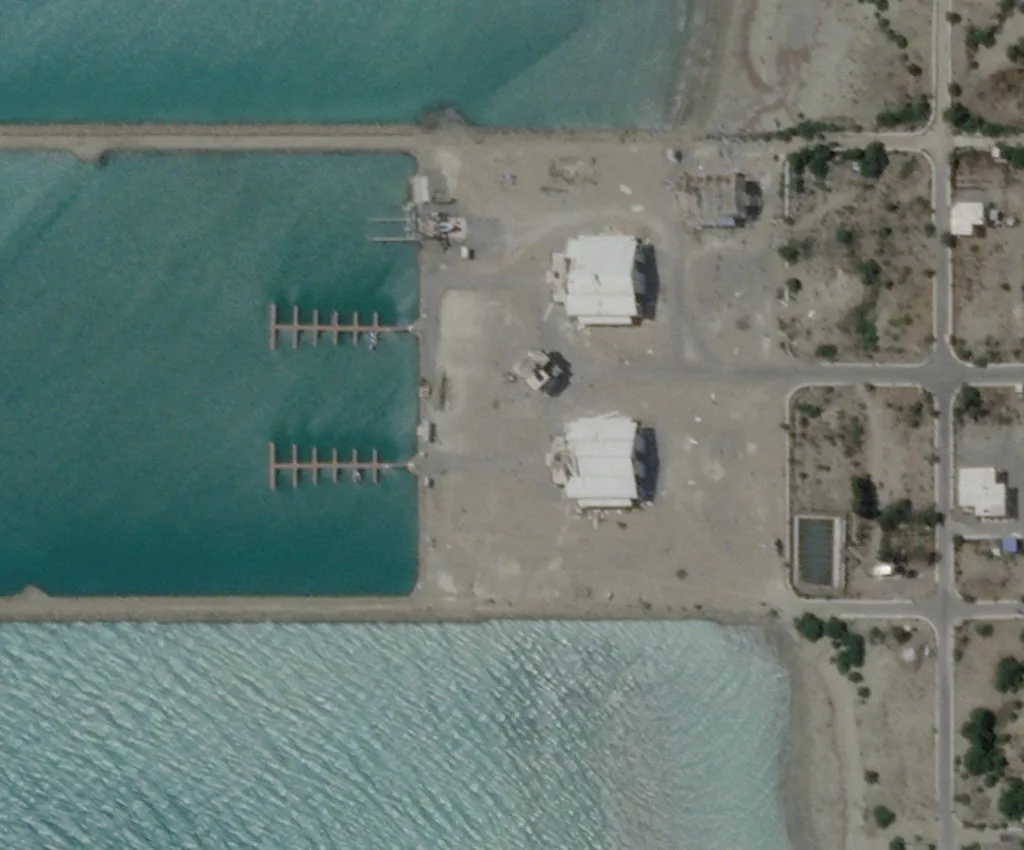
A closer view of the satellite imagery shows an Iranian port building before the recent U.S. strikes in Sarkhur Tahruyi, Hormozgan Province, Iran, July 7. Reuters-YonhapCAIRO/DUBAI — The United States on Tuesday said it had reimposed a naval blockade of all Iranian ports in the latest escalation in the conflict, while President Donald Trump dropped a 20 percent transit fee on shipping through the Strait of Hormuz he had pitched only a day earlier. The U.S. also began a fresh round of strikes "to continue degrading Iranian capabilities used to attack commercial shipping in the Strait of Hormuz," the U.S. military said.
- ▪A closer view of the satellite imagery shows an Iranian port building before the recent U.S. strikes in Sarkhur Tahruyi, Hormozgan Province, Iran, July 7.
- ▪Reuters-YonhapCAIRO/DUBAI — The United States on Tuesday said it had reimposed a naval blockade of all Iranian ports in the latest escalation in the conflict, while President Donald Trump dropped a 20 percent transit fee on shipping through
- ▪The U.S. also began a fresh round of strikes "to continue degrading Iranian capabilities used to attack commercial shipping in the Strait of Hormuz," the U.S. military said.
Opening excerpt (first ~120 words) tap to expand
A closer view of the satellite imagery shows an Iranian port building before the recent U.S. strikes in Sarkhur Tahruyi, Hormozgan Province, Iran, July 7. Reuters-YonhapCAIRO/DUBAI — The United States on Tuesday said it had reimposed a naval blockade of all Iranian ports in the latest escalation in the conflict, while President Donald Trump dropped a 20 percent transit fee on shipping through the Strait of Hormuz he had pitched only a day earlier. The U.S. also began a fresh round of strikes "to continue degrading Iranian capabilities used to attack commercial shipping in the Strait of Hormuz," the U.S. military said. Tehran has again closed the strait after hostilities between Iran and the U.S.
…
Excerpt limited to ~120 words for fair-use compliance. The full article is at Korea Times.
Discussion
0 commentsMore from Korea Times