Was Lincoln More Radical Than We Remember?
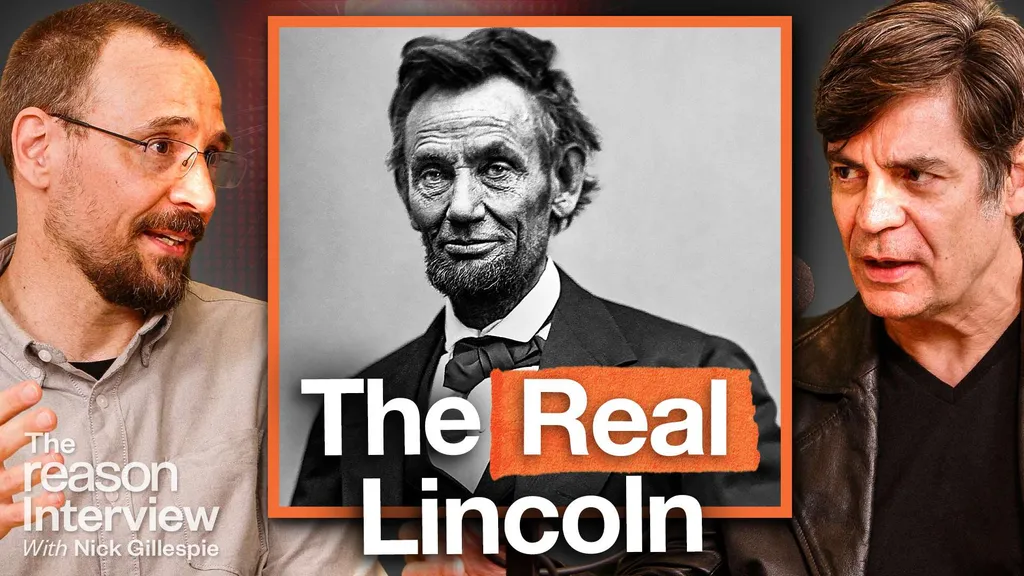
The article explores Abraham Lincoln's evolving stance on slavery and emancipation during his presidency. It highlights his initial support for a constitutional amendment to protect slavery, followed by his role in passing the 13th Amendment. The discussion also touches on the Reconstruction era and contemporary legal issues related to citizenship.
- ▪At the start of his presidency in 1861, Abraham Lincoln supported a constitutional amendment to protect slavery in existing states.
- ▪Lincoln played a crucial role in the passage of the 13th Amendment, which abolished slavery throughout the United States.
- ▪The article features insights from Damon Root, who discusses Lincoln's legacy and the implications of the Reconstruction period.
Opening excerpt (first ~120 words) tap to expand
Slavery Was Lincoln More Radical Than We Remember? Damon Root discusses the path to emancipation, the struggle to secure freedom after the Civil War, and the constitutional changes that remade America. Nick Gillespie and Damon Root | 6.3.2026 11:00 AM Share on FacebookShare on XShare on RedditShare by emailPrint friendly versionCopy page URL Add Reason to Google Media Contact & Reprint Requests https://dts.podtrac.com/redirect.mp3/d2h6a3ly6ooodw.cloudfront.net/reasontv_audio_8384389.mp3 1x 1.1x 1.25x 1.5x 2x 3x :15 :15 Download Was Lincoln More Radical Than We Remember? HD Video Download At the start of his presidency in 1861, Abraham Lincoln supported a constitutional amendment that would have kept the federal government from banning slavery in states where it already existed.
…
Excerpt limited to ~120 words for fair-use compliance. The full article is at Reason Magazine.
Discussion
0 commentsMore from Reason Magazine