We Should All Be Autodidacts: The Case For Reading the Great Books at Your Own Pace
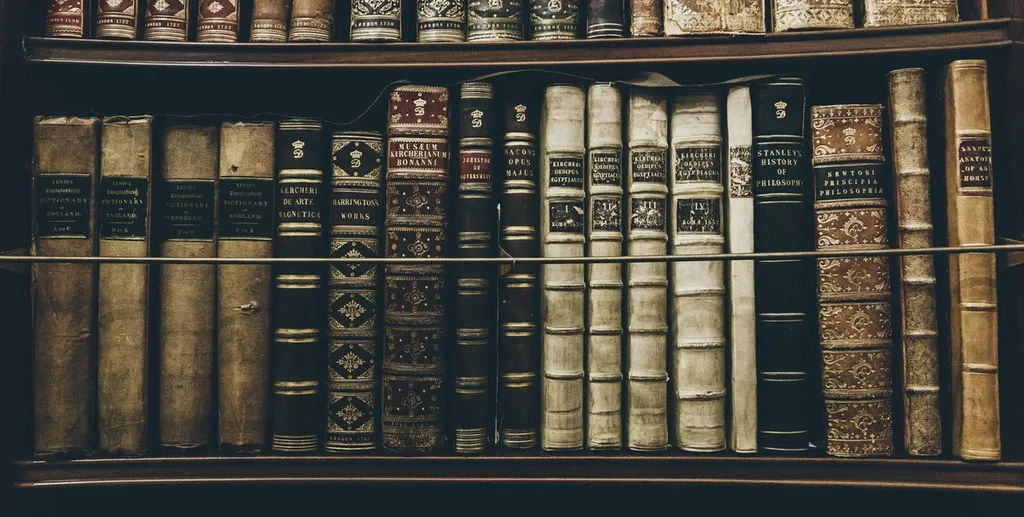
The article discusses the challenges and perceptions surrounding the reading of classic literature, often referred to as 'The Great Books.' Many potential readers feel intimidated by these texts due to past negative experiences and societal pressures. The author advocates for a more personal and self-directed approach to reading these works, encouraging individuals to engage with them at their own pace.
- ▪Many people have a negative impression of the Great Books, associating them with elitism and cultural supremacy.
- ▪Readers often feel shame and inadequacy when approaching these classic texts, stemming from past educational experiences.
- ▪The author emphasizes the importance of personal engagement with literature, suggesting that reading should be a self-directed journey rather than a pressured academic exercise.
2 outlets in our directory ran this story, first to last over 14 hours. All of the coverage we found sits in one bucket: lean right. That one-sidedness is itself worth noticing.
- ▪ A Left case for the Great Books — UnHerd
Literary Hub (LitHub) files mainly under books. We currently carry 79 of its stories.
Story provenance
Source · retrieval · rights · ranking — open for full record
inspect →
Attribution is not the same as permission. This drawer separates discovery metadata, excerpts, WeSearch-generated summaries, reuse status, and whether the publisher receives the visit. Nothing here claims a legal grant the publisher has not made.
Record
| Original publisher | Literary Hub |
| Canonical URL | https://lithub.com/we-should-all-be-autodidacts-the-case-for-reading-the-great-books-at-your-own-pace/ |
| Publication time | Tue, 26 May 2026 09:00:51 +0000 |
| Retrieval time | 2026-05-26T09:07:47.290Z |
| Last seen | 2026-05-26T09:07:47.290Z |
| Headline source | Publisher (no WeSearch rewrite) |
| Excerpt source | publisher body |
| Excerpt method | First ~120 words (~800 chars) of extracted publisher body, fair-use limited. |
| Summary | WeSearch · cerebras-chat (WeSearch summarizer) |
| Summary source text | contentText |
| Citation coverage | Summary is a WeSearch-generated derivative; primary citation is the original publisher URL. |
| Cluster | PYzOhJXemrvs · 2 stories |
| Cluster logic | Grouped by semantic title/content similarity across sources within a rolling window. Same-publisher template collisions are excluded from coverage comparison. |
| Ranking reason | Story pages are not engagement-ranked. Hub feeds use recency, with optional source-diversified chronological ordering (cap consecutive stories per source). No personalized ranking. |
| Publisher visit | Yes — open original |
| Substitutes article? | No — link-out required for full text |
Rights status (four layers)
WeSearch handling by dimension
| Indexing | May the item be indexed (stored, ranked, made findable)? | Allowed |
| Snippet | May a short excerpt of the publisher's text be shown? | Allowed |
| AI summary | May WeSearch generate its own short summary of the article? | Limited |
| Retrieval / RAG | May the content be exposed for third-party retrieval-augmented generation? | Not asserted |
| Model training | May the content be used to train AI models? | Not asserted |
| Commercial reuse | May the content be reused commercially? | Not permitted |
Basis: Derived from the published RSS/Atom feed. Contact: [email protected]. Reviewed: 2026-07-24.
Opening excerpt (first ~120 words) tap to expand
There’s a set of books that you’ve probably already heard of. These are the ones that’ve been extolled by professors and critics. They’ve been referenced in countless speeches and essays. And in school, your teachers most likely claimed that these books were among the world’s greatest works of literature.Article continues after advertisement I’m talking about texts like Melville’s Moby-Dick, Austen’s Pride and Prejudice, Tolstoy’s Anna Karenina, Homer’s Iliad and Odyssey, Milton’s Paradise Lost, Dante’s Inferno, Cervantes’s Don Quixote, and about a hundred others—most people have heard of these books, and most people have some preexisting ideas about them.
…
Excerpt limited to ~120 words for fair-use compliance. The full article is at Literary Hub.
Discussion
0 commentsMore from Literary Hub