Why AI is making work faster, not better.
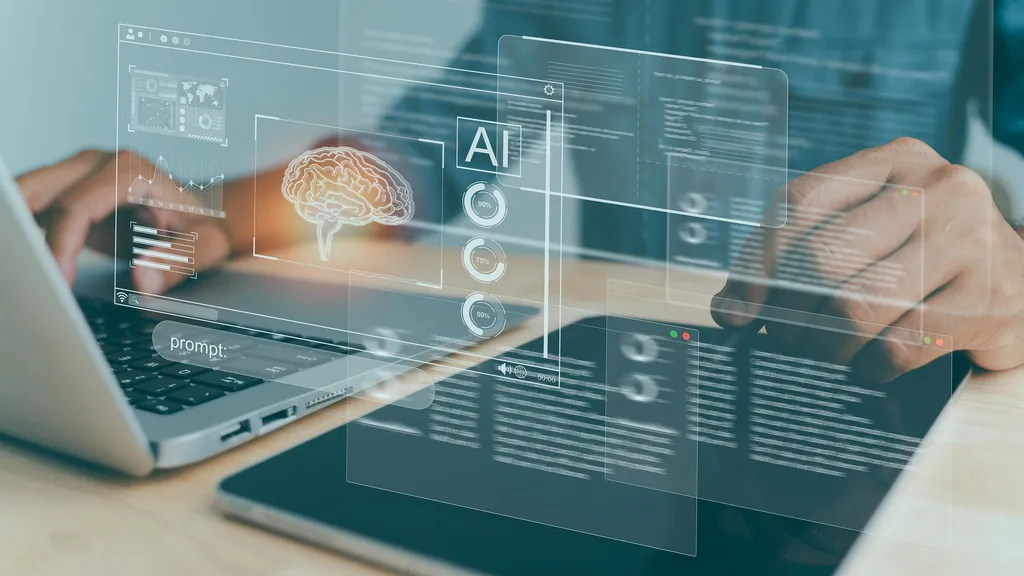
The article argues that while AI tools accelerate the speed of work, they do not necessarily increase overall productivity. Professionals report feeling more fragmented, reactive, and exhausted despite faster outputs. This creates a productivity paradox where efficiency gains are offset by a decline in meaningful work quality.
- ▪AI promises faster, smarter work but many users feel no real increase in productivity.
- ▪A typical workday now involves juggling email, calendars, tasks, notes, and messaging platforms, with no single tool providing a complete picture.
- ▪The author notes that AI makes tasks quicker but also more fragmented and exhausting, leading to a productivity paradox.
- ▪The piece highlights that the promise of efficiency is evident on paper, yet the lived experience suggests otherwise.
TechRadar publishes from United Kingdom and files mainly under tech. We currently carry 1,692 of its stories.
Story provenance
Source · retrieval · rights · ranking — open for full record
inspect →
Story provenance
Attribution is not the same as permission. This drawer separates discovery metadata, excerpts, WeSearch-generated summaries, reuse status, and whether the publisher receives the visit. Nothing here claims a legal grant the publisher has not made.
Record
| Original publisher | TechRadar |
| Canonical URL | https://www.techradar.com/pro/why-ai-is-making-work-faster-not-better |
| Publication time | Wed, 05 Aug 2026 08:54:32 +0000 |
| Retrieval time | 2026-08-05T09:00:45.608Z |
| Last seen | 2026-08-05T09:00:45.608Z |
| Headline source | Publisher (no WeSearch rewrite) |
| Excerpt source | publisher body |
| Excerpt method | First ~120 words (~800 chars) of extracted publisher body, fair-use limited. |
| Summary | WeSearch · cerebras-chat (WeSearch summarizer) |
| Summary source text | contentText |
| Citation coverage | Summary is a WeSearch-generated derivative; primary citation is the original publisher URL. |
| Cluster | HwbSHrdSZ5t9 · 1 stories |
| Cluster logic | Grouped by semantic title/content similarity across sources within a rolling window. Same-publisher template collisions are excluded from coverage comparison. |
| Ranking reason | Story pages are not engagement-ranked. Hub feeds use recency, with optional source-diversified chronological ordering (cap consecutive stories per source). No personalized ranking. |
| Publisher visit | Yes — open original |
| Substitutes article? | No — link-out required for full text |
Rights status (four layers)
WeSearch handling by dimension
| Indexing | May the item be indexed (stored, ranked, made findable)? | Allowed |
| Snippet | May a short excerpt of the publisher's text be shown? | Allowed |
| AI summary | May WeSearch generate its own short summary of the article? | Limited |
| Retrieval / RAG | May the content be exposed for third-party retrieval-augmented generation? | Not asserted |
| Model training | May the content be used to train AI models? | Not asserted |
| Commercial reuse | May the content be reused commercially? | Not permitted |
Basis: Derived from the published RSS/Atom feed. Contact: [email protected]. Reviewed: 2026-07-24.
Opening excerpt (first ~120 words) tap to expand
Pro Why AI is making work faster, not better. Opinion By Martin Warner Published 5 August 2026 Faster tools, slower progress: the productivity paradox of AI When you purchase through links on our site, we may earn an affiliate commission. Here’s how it works. (Image credit: Getty Images) Copy link Facebook X Whatsapp Reddit Pinterest Flipboard Threads Email Share this article 0 Join the conversation Follow us Add us as a preferred source on Google Newsletter Subscribe to our newsletter We’ve been sold a comforting idea about artificial intelligence: that it’s making us dramatically more productive. Faster outputs, smarter tools, less effort. A quiet revolution in how we work.But step back for a moment and ask yourself a simple question.Do you actually feel more productive? Not faster.
…
Excerpt limited to ~120 words for fair-use compliance. The full article is at TechRadar.
Discussion
0 commentsMore from TechRadar