Why bringing down oil’s price is so hard
The fluctuating price of oil is influenced by ongoing negotiations between the United States and Iran regarding a potential peace agreement. Despite recent lows, oil prices remain significantly higher than before the conflict began. The complexities of the negotiations and the potential for continued oil shortages complicate the outlook for prices even if an agreement is reached.
- ▪Crude oil prices are currently 40% higher than they were in late February when the Iran war began.
- ▪An agreement between the U.S. and Iran could benefit farmers and drivers facing high fuel costs.
- ▪The negotiations are challenging, with both sides believing they can outlast the other.
Asia Times files mainly under world. We currently carry 140 of its stories.
Opening excerpt (first ~120 words) tap to expand
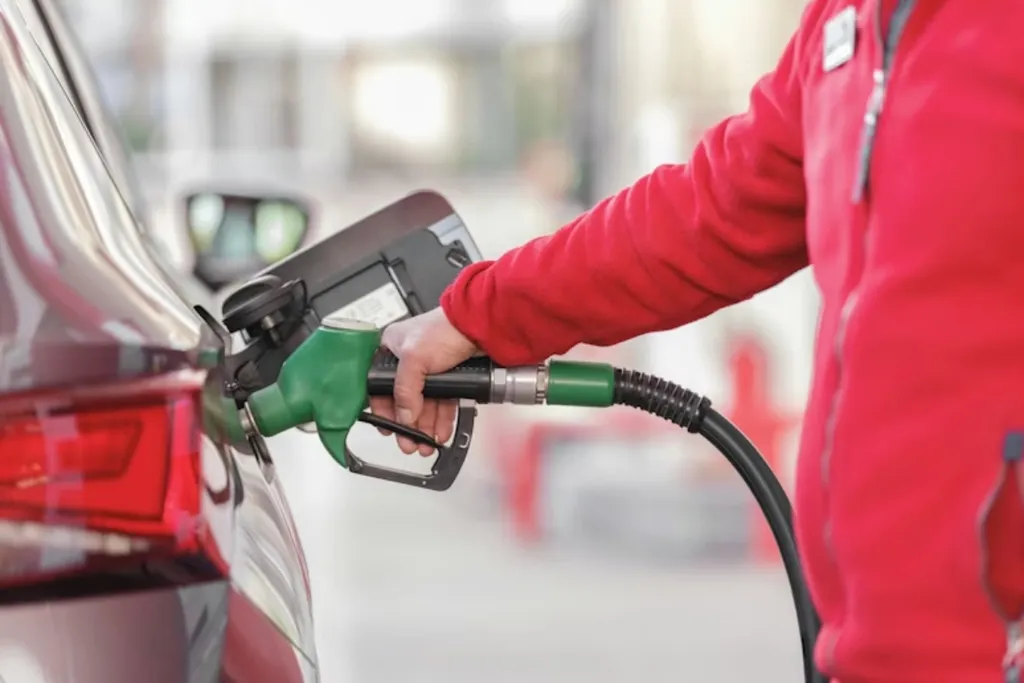
Between assurances from President Donald Trump that a peace agreement is all but wrapped up and renewed skirmishes, the price of oil rises and falls. Even at recent lows, crude’s price is 40% higher than in late February when the Iran war began. Someday – tomorrow? next week? next month? – the United States and Iran may announce an agreement to end the war. Odds are it will leave decisions on gnarly issues like Iran’s uranium stockpile and the lifting of sanctions for later talks. Still, an agreement could be good news for farmers, who’ve been squeezed by higher fertilizer and diesel prices, and drivers, who’ve been experiencing shell shock at the pump. I say “could” rather than “would” for two important reasons. First, the Strait of Hormuz is Iran’s main leverage in the continuing talks.
…
Excerpt limited to ~120 words for fair-use compliance. The full article is at Asia Times.
Discussion
0 commentsMore from Asia Times