Why is hantavirus so deadly? It’s not what you may think
The Andes hantavirus is known for its unusual method of causing severe respiratory illness. Despite its high mortality rate, survivors often experience no lasting damage. Ongoing research aims to uncover its mechanisms, potentially leading to new treatments.
- ▪Andes hantavirus has only four proteins but effectively manipulates cells and the immune system.
- ▪The virus can kill up to half of those it infects, yet survivors do not suffer from long-term effects.
- ▪Currently, over 150 individuals are in quarantine following an outbreak on the cruise ship MV Hondius.
Science News files mainly under science. We currently carry 42 of its stories.
Story provenance
Source · retrieval · rights · ranking — open for full record
inspect →
Story provenance
Attribution is not the same as permission. This drawer separates discovery metadata, excerpts, WeSearch-generated summaries, reuse status, and whether the publisher receives the visit. Nothing here claims a legal grant the publisher has not made.
Record
| Original publisher | Science News |
| Canonical URL | https://www.sciencenews.org/article/andes-hantavirus-treatments-lung-fail |
| Publication time | Tue, 26 May 2026 13:00:00 +0000 |
| Retrieval time | 2026-05-26T13:02:49.065Z |
| Last seen | 2026-05-26T13:02:49.065Z |
| Headline source | Publisher (no WeSearch rewrite) |
| Excerpt source | publisher body |
| Excerpt method | First ~120 words (~800 chars) of extracted publisher body, fair-use limited. |
| Summary | WeSearch · cerebras-chat (WeSearch summarizer) |
| Summary source text | contentText |
| Citation coverage | Summary is a WeSearch-generated derivative; primary citation is the original publisher URL. |
| Cluster | 3UYEUqovIAq- |
| Cluster logic | Grouped by semantic title/content similarity across sources within a rolling window. Same-publisher template collisions are excluded from coverage comparison. |
| Ranking reason | Story pages are not engagement-ranked. Hub feeds use recency, with optional source-diversified chronological ordering (cap consecutive stories per source). No personalized ranking. |
| Publisher visit | Yes — open original |
| Substitutes article? | No — link-out required for full text |
Rights status (four layers)
WeSearch handling by dimension
| Indexing | May the item be indexed (stored, ranked, made findable)? | Allowed |
| Snippet | May a short excerpt of the publisher's text be shown? | Allowed |
| AI summary | May WeSearch generate its own short summary of the article? | Limited |
| Retrieval / RAG | May the content be exposed for third-party retrieval-augmented generation? | Not asserted |
| Model training | May the content be used to train AI models? | Not asserted |
| Commercial reuse | May the content be reused commercially? | Not permitted |
Basis: Derived from the published RSS/Atom feed. Contact: [email protected]. Reviewed: 2026-07-24.
Opening excerpt (first ~120 words) tap to expand
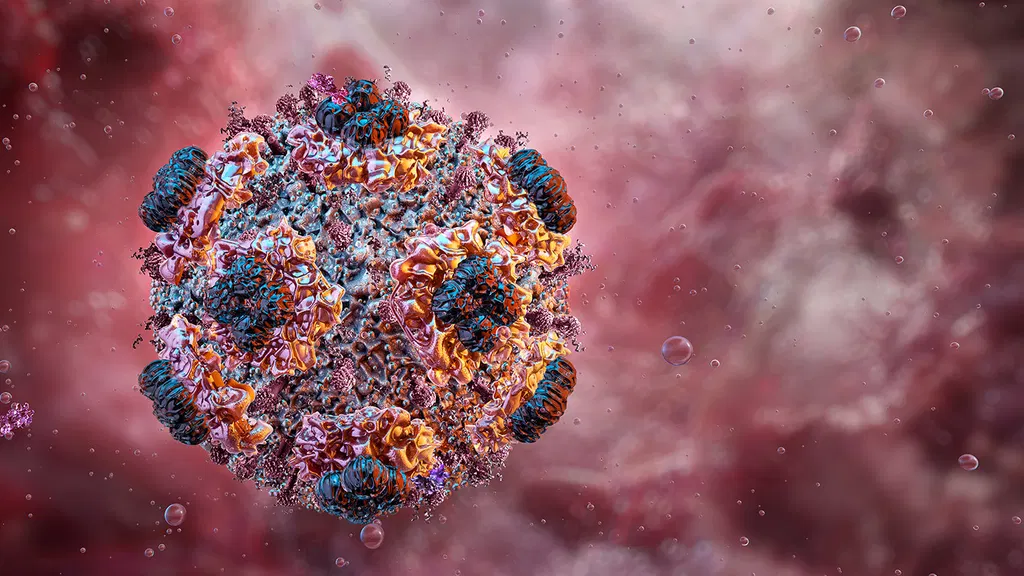
News Health & Medicine Why is hantavirus so deadly? It’s not what you may think A better understanding of its unusual killing method could point to future treatments Andes hantavirus has only four proteins yet is a master of manipulating cells and the immune system. Learning its secrets may lead to treatments for the deadly disease it causes. Shown is an illustration of a hantavirus particle. quantic69/iStock/Getty Images Plus By Tina Hesman Saey 1 minute ago Share this:Share Share via email (Opens in new window) Email Share on Facebook (Opens in new window) Facebook Share on Reddit (Opens in new window) Reddit Share on X (Opens in new window) X Print (Opens in new window) Print New World hantaviruses such as Andes virus cause respiratory illness, but they hit differently than common…
Excerpt limited to ~120 words for fair-use compliance. The full article is at Science News.
Discussion
0 commentsMore from Science News