Why Is Piracy So Common in China? Confucian Cultural Traditions or Just Money?
The article explores the reasons behind widespread copyright piracy in China, examining both cultural explanations rooted in Confucian values and economic motivations. It highlights historical contexts, such as lax copyright laws in Taiwan during the mid-20th century, and compares them with current deficiencies in China's copyright enforcement. While some attribute weak IP protection to cultural norms emphasizing collective knowledge, the article suggests commercial incentives are a more plausible driver.
- ▪China is frequently criticized for intellectual property violations, including copyright, as noted in the U.S. Trade Representative’s Special 301 reports.
- ▪Historically, copyright protection in Taiwan under the Republic of China regime was weak, requiring difficult-to-obtain local registrations and excluding foreign works.
- ▪The U.S. Chamber of Commerce’s IP index gives China a low copyright score of 2.53 out of 7, indicating significant shortcomings in protection and enforcement.
- ▪Some scholars argue that Confucian cultural values, which emphasize collective benefit over individual ownership, contribute to weak respect for IP, though this view is contested.
- ▪Widespread digital piracy in China includes unauthorized distribution of audiovisual content, academic journals, and live broadcasts, with insufficient enforcement against infringing platforms.
Story provenance
Source · retrieval · rights · ranking — open for full record
inspect →
Attribution is not the same as permission. This drawer separates discovery metadata, excerpts, WeSearch-generated summaries, reuse status, and whether the publisher receives the visit. Nothing here claims a legal grant the publisher has not made.
Record
| Original publisher | Hugh Stephens Blog |
| Canonical URL | https://hughstephensblog.net/2020/06/15/why-is-piracy-so-common-in-china-confucian-cultural-traditions-or-just-plain-commercial-advantage-a-historical-perspective/ |
| Publication time | Tue, 28 Apr 2026 12:21:24 +0000 |
| Retrieval time | 2026-04-28T12:24:31.929Z |
| Last seen | 2026-04-28T12:24:31.929Z |
| Headline source | Publisher (no WeSearch rewrite) |
| Excerpt source | publisher body |
| Excerpt method | First ~120 words (~800 chars) of extracted publisher body, fair-use limited. |
| Summary | WeSearch · cerebras-chat (WeSearch summarizer) |
| Summary source text | contentText |
| Citation coverage | Summary is a WeSearch-generated derivative; primary citation is the original publisher URL. |
| Cluster | SHQ3VKvAyPSD |
| Cluster logic | Grouped by semantic title/content similarity across sources within a rolling window. Same-publisher template collisions are excluded from coverage comparison. |
| Ranking reason | Story pages are not engagement-ranked. Hub feeds use recency, with optional source-diversified chronological ordering (cap consecutive stories per source). No personalized ranking. |
| Publisher visit | Yes — open original |
| Substitutes article? | No — link-out required for full text |
Rights status (four layers)
WeSearch handling by dimension
| Indexing | May the item be indexed (stored, ranked, made findable)? | Allowed |
| Snippet | May a short excerpt of the publisher's text be shown? | Allowed |
| AI summary | May WeSearch generate its own short summary of the article? | Limited |
| Retrieval / RAG | May the content be exposed for third-party retrieval-augmented generation? | Not asserted |
| Model training | May the content be used to train AI models? | Not asserted |
| Commercial reuse | May the content be reused commercially? | Not permitted |
Basis: Derived from the published RSS/Atom feed. Contact: [email protected]. Reviewed: 2026-07-24.
Opening excerpt (first ~120 words) tap to expand
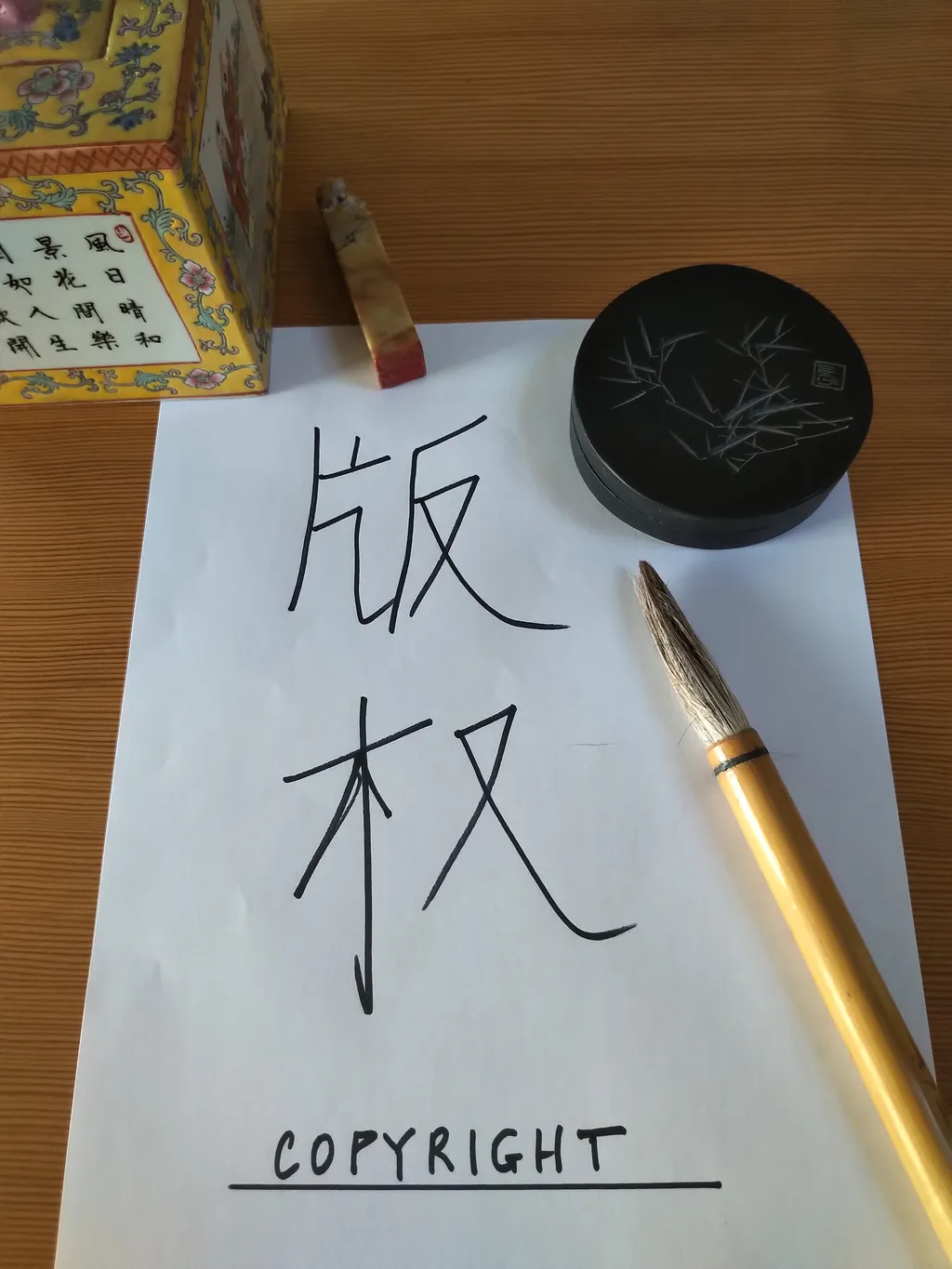
Why is Piracy so Common in China? Confucian Cultural Traditions or Just Plain Commercial Advantage? (A Historical Perspective) Credit: photo and calligraphy: author I usually write about current international copyright issues but occasionally I dip back into the past to look at where copyright has come from. Sometimes this can be very illuminating in terms of what is happening today. A couple of years ago, I wrote about the thriving pirate book industry in Taiwan back in the 1960s and 1970s when the “ingenious rascals” of Chungking Street in Taipei routinely disassembled, photocopied and reprinted western books, from encyclopedias to medical texts. And all this was perfectly legal under local law in Taiwan at the time.
…
Excerpt limited to ~120 words for fair-use compliance. The full article is at Hugh Stephens Blog.
Discussion
0 commentsMore from Hugh Stephens Blog