‘He wanted to be CEO’: Early OpenAI VC Vinod Khosla says Elon Musk’s bid for control led to the Sam Altman feud and his major investment
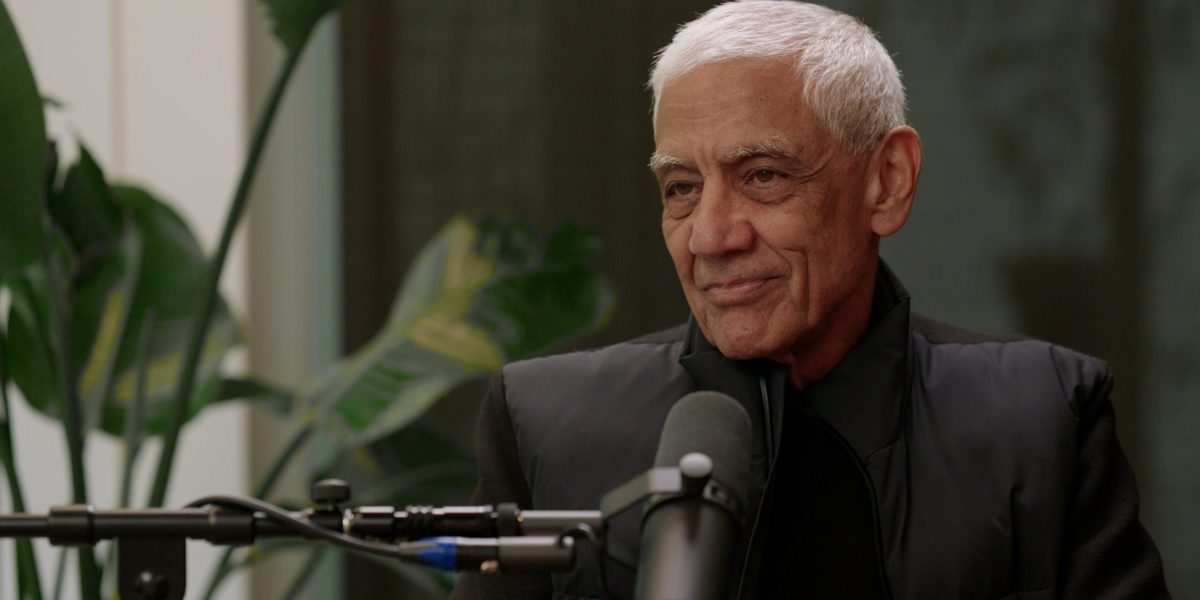
Early OpenAI investor Vinod Khosla said Elon Musk sought control of the AI lab, leading to a fallout with Sam Altman and prompting Khosla’s record $50 million investment. Khosla claimed Musk wanted OpenAI as a 'private fiefdom' and was holding the team 'hostage,' forcing Altman to seek outside funding. Musk is now suing Altman and OpenAI, alleging betrayal of its nonprofit mission, though legal experts say his case faces significant hurdles. The trial could determine the future of OpenAI’s for-profit structure and its potential IPO.
- ▪Vinod Khosla invested $50 million in OpenAI at a $1 billion valuation, calling it the largest initial bet in his 40-year career.
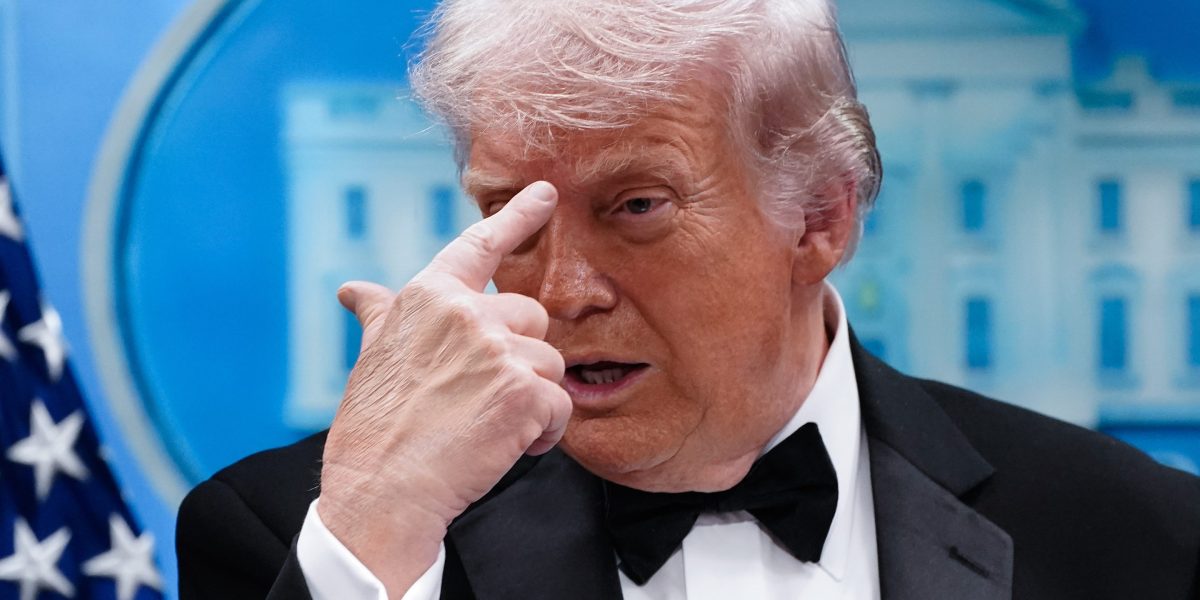
- ▪Khosla stated Elon Musk wanted to control OpenAI and treated it like a 'private fiefdom,' leading to tensions with Sam Altman and Greg Brockman.
- ▪Musk is suing Altman and OpenAI for over $130 billion, seeking to undo the company’s for-profit shift and remove its leadership.
- ▪Musk’s legal claims have been narrowed to unjust enrichment and breach of charitable trust, with most original claims dropped before trial.
- ▪Khosla said his investment was driven by geopolitical concerns, aiming to ensure Western competitiveness against Chinese AI advances.
Opening excerpt (first ~120 words) tap to expand
When Vinod Khosla sat down with Fortune‘s Editor-in-Chief Alyson Shontell in early March, he offered some key context for one of the most consequential tech trials in American history: Musk vs. Altman.Recommended Video “He wanted to be CEO,” Khosla said of Elon Musk on the Titans and Disruptors of Industry podcast. He explained the context around how Musk and Altman fell out around the governance of a then-obscure AI lab called OpenAI. Khosla added that he “wasn’t privy” to previous internal battles at OpenAI, telling Shontell to “take that with a grain of salt,” but he had no doubt that Musk wanted to run the AI company. “It seems like he wanted it like a private fiefdom, with him in charge, instead of what he claims—the public benefit company it is now.
…
Excerpt limited to ~120 words for fair-use compliance. The full article is at Fortune.
Discussion
0 commentsMore from Fortune