A New Genetic Map of the Human Eye Could One Day Reveal Vision Loss Years Before Symptoms Start
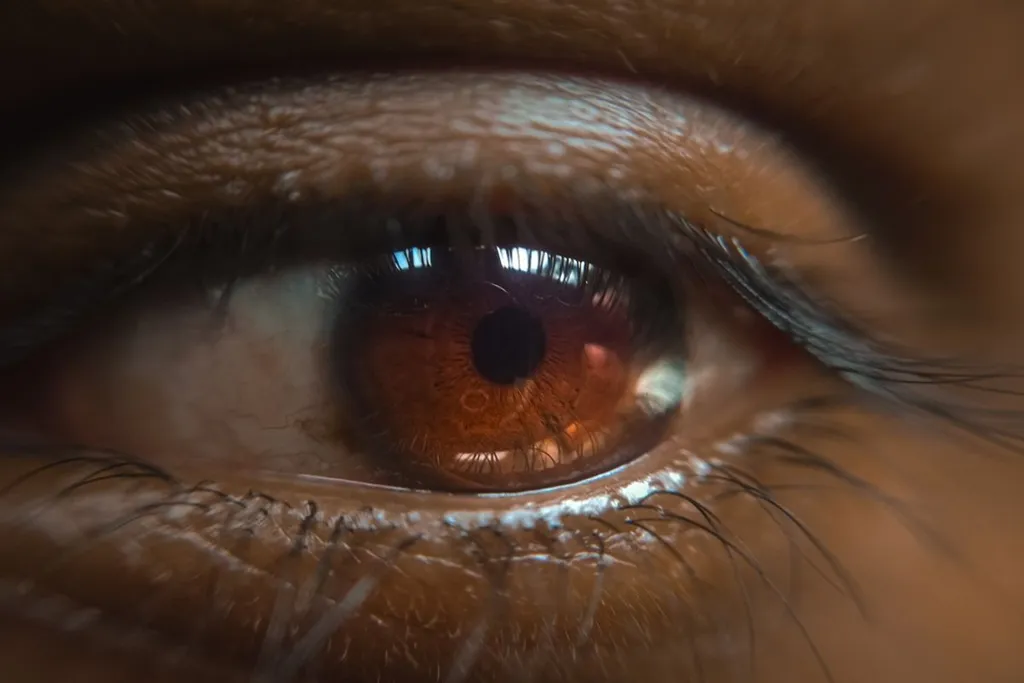
Scientists have created a detailed genetic map of the human eye to better understand vision loss. This research could lead to earlier detection and personalized treatments for conditions like age-related macular degeneration. The findings may help identify individuals at risk of sight-threatening diseases before symptoms appear.
- ▪Age-related macular degeneration is expected to affect nearly 288 million people worldwide by 2040.
- ▪The new genetic map reveals how tiny differences in DNA influence eye tissue function.
- ▪Researchers identified over 1.4 million genetic signals linked to gene activity in the retina.
Opening excerpt (first ~120 words) tap to expand
Age-related macular degeneration (AMD) is one of the leading causes of vision loss in older adults. By 2040, it is expected to affect nearly 288 million people worldwide. Additionally, inherited eye disorders like Stargardt disease, retinitis pigmentosa, and cone-rod dystrophy rob thousands of people of their sight yearly, often with few treatment options available.To attempt to combat this rise in vision loss, scientists have created the most detailed genetic map of the human eye ever assembled — and it could help explain why some people lose their vision while others do not.The research, published in Nature Communications, offers an unprecedented look at how tiny differences in our DNA influence the way eye tissues function.
…
Excerpt limited to ~120 words for fair-use compliance. The full article is at Discover Magazine.
Discussion
0 commentsMore from Discover Magazine