‘A Paradigm Shift’: Supermassive Black Hole Without a Galaxy Changes What We Thought Came First
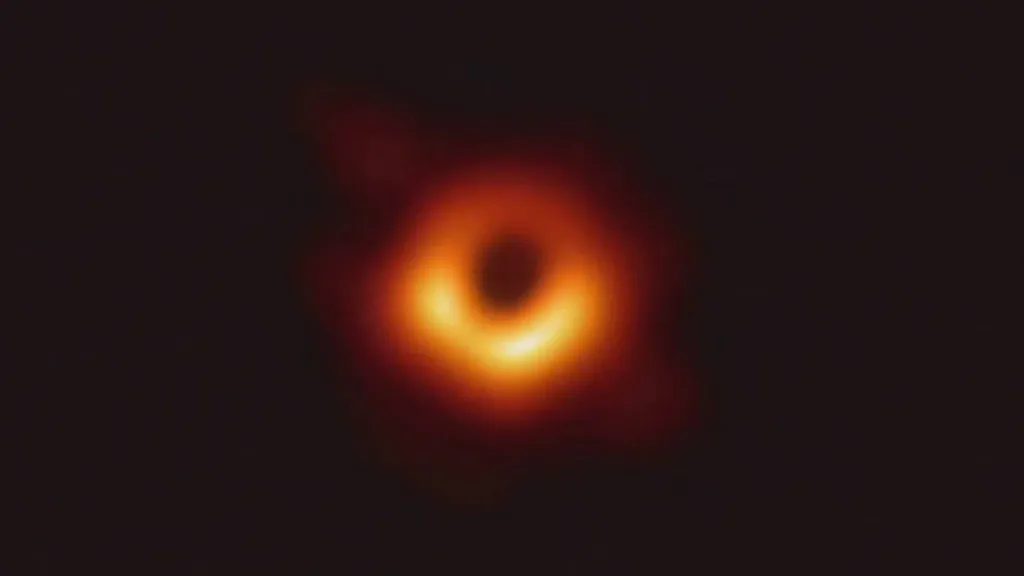
The James Webb Space Telescope has discovered supermassive black holes that may have formed before their host galaxies, challenging previous theories about cosmic evolution. This finding suggests that these black holes did not require significant amounts of gas and dust to grow to their enormous sizes. Researchers believe this represents a paradigm shift in our understanding of black hole formation and growth in the early universe.
- ▪The James Webb Space Telescope found evidence of supermassive black holes evolving first without host galaxies.
- ▪One black hole, named QSO1, dates back to just 700 million years after the Big Bang and is estimated to be 50 million times the mass of the Sun.
- ▪The discovery indicates that supermassive black holes may have formed independently rather than from the collapse of large stars.
Opening excerpt (first ~120 words) tap to expand
While probing the dawn of the universe for the origins of ancient galaxies, the James Webb Space Telescope uncovered something unexpected lurking at their cores—a discovery that might reshape our view of the early cosmos. Scientists have long thought that galaxies evolved first, while the black holes at their center formed after from the collapse of large stars. Recent observations by Webb, however, tell a different story. The telescope captured evidence of supermassive black holes evolving first, without a host galaxy to feed…
Excerpt limited to ~120 words for fair-use compliance. The full article is at Gizmodo.
Discussion
0 commentsMore from Gizmodo