Ancient Dingo Burial Site Reveals a Strong Bond with Indigenous Peoples in Australia
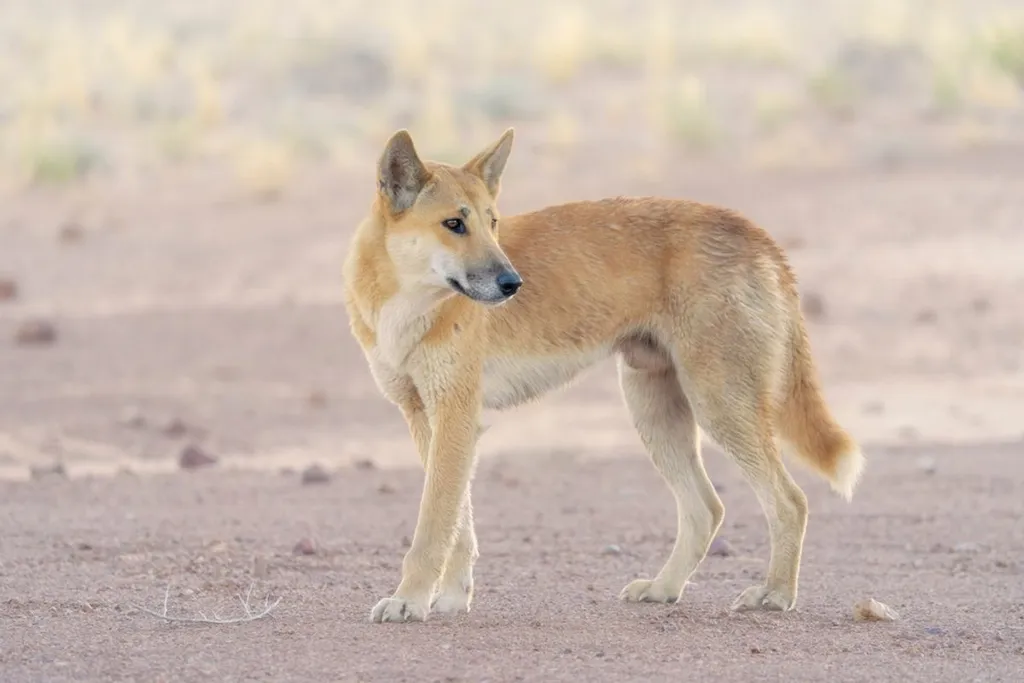
A burial site in New South Wales has revealed a long-standing relationship between Indigenous peoples and dingoes. The discovery includes evidence of a unique feeding practice involving river mussel shells, highlighting the cultural significance of dingoes to the Barkindji people. This finding suggests that dingo burial practices were more common than previously believed, indicating a deep bond between the animals and the people.
- ▪The burial site was discovered alongside the Baaka River by Barkindji Elder Badger Bates and archaeologist Dan Witter.
- ▪Radiocarbon dating indicates the dingo was buried between 963 and 916 years ago.
- ▪The careful burial and healed injuries of the dingo suggest it was valued and cared for by the Barkindji people.
Opening excerpt (first ~120 words) tap to expand
A burial site discovered in the Australian State of New South Wales has produced new evidence of a millennia-old relationship between First Nations people and dingoes in the region. The site also shows one of the earliest recorded examples of a “feeding” practice, in which river mussel shells were added to the site over hundreds of years.Amy Way, an archaeologist at the University of Sydney who co-authored a new paper in Australian Archaeology about the discovery, said in a statement, “While Barkindji people have always known about this cultural practice, this discovery is really powerful because it provides new details on the depth of that relationship between Barkindji people and dingoes.”Read More: Dingoes and Domestic Dogs: Common Ancestors, but Different Evolutionary PathsCaring for…
Excerpt limited to ~120 words for fair-use compliance. The full article is at Discover Magazine.
Discussion
0 commentsMore from Discover Magazine