Buying Prescription Smart Glasses Might Not Be Such a Good Idea After All
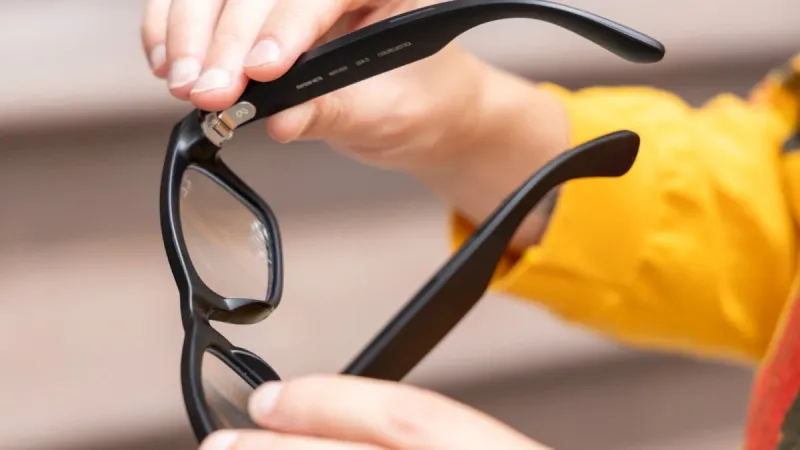
Smart glasses with prescription lenses are becoming more common, but their built-in cameras raise privacy concerns in sensitive locations like cruise ships. Some users are being forced to cover or disable cameras, undermining the devices' functionality. As adoption grows, cultural resistance to face-worn cameras remains a significant barrier.
- ▪Major cruise lines have banned smart glasses in certain areas due to privacy risks associated with their cameras.
- ▪Prescription smart glasses are often the only pair people own, making bans disruptive to their vision needs.
- ▪One Royal Caribbean passenger was allowed to wear prescription Ray-Ban smart glasses only if the cameras were taped over.
- ▪Meta is pushing prescription smart glasses like the Blayzer and Scriber, aiming for all-day wear despite social resistance.
- ▪Cameraless alternatives like the Even G2 exist but are not the dominant trend in the smart glasses market.
Opening excerpt (first ~120 words) tap to expand
If you’re planning on wearing smart glasses all the time, there are a lot of things to consider. There’s the potentially poor reception from people who might not like that you have a camera on your face, for example, and then also the question of what exactly you want to use them for. Some pairs are AI-forward, some pairs have a screen for productivity, and some are more geared toward audio and photo/video capture. One thing some people definitely have to consider is whether they’ll be functionally sightless when they’re inevitably forced to take said smart glasses off their faces.
…
Excerpt limited to ~120 words for fair-use compliance. The full article is at Gizmodo.
Discussion
0 commentsMore from Gizmodo