Europe climate report signals rising extremes
A new European climate report released on April 29, 2026, highlights that Europe experienced record heatwaves, melting glaciers, and rising sea temperatures in 2025, with the continent warming twice as fast as the global average. The report stresses the urgent need for adaptation and faster transition to clean energy. Multiple extreme weather events, including prolonged heatwaves and marine heatwaves, affected large parts of Europe. Renewable energy surpassed fossil fuels in electricity generation for the third consecutive year, but officials say progress remains insufficient.
- ▪Europe warmed twice as fast as the global average since 1980, with 95% of the region experiencing above-average temperatures in 2025.
- ▪Fennoscandia faced a record three-week heatwave with temperatures reaching 30°C within the Arctic Circle.
- ▪Greenland lost approximately 139 billion tonnes of ice in 2025, raising global sea levels by 0.4mm.
- ▪Renewables accounted for 46.4% of Europe’s electricity generation in 2025, with solar power contributing a record 12.5%.
- ▪Wildfires burned a record 1,034,550 hectares across Europe, and marine heatwaves affected 86% of the European ocean region.
- ▪Europe's annual sea surface temperature was the highest on record for the fourth straight year.
Opening excerpt (first ~120 words) tap to expand
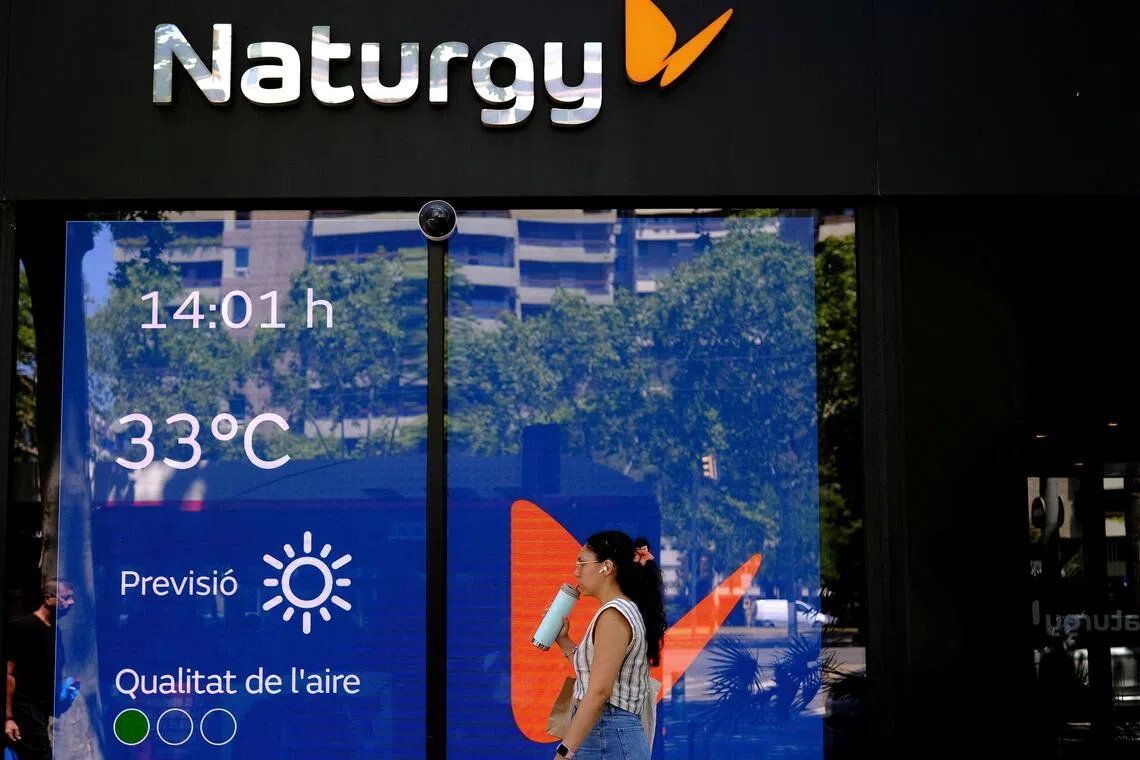
Europe climate report signals rising extremes Sign up now: Get ST's newsletters delivered to your inboxLarge parts of western and southern Europe were hit with two significant heatwaves in June, including most of Spain. PHOTO: REUTERSPublished Apr 29, 2026, 10:34 AMUpdated Apr 29, 2026, 10:34 AMPARIS - Europe endured a historic heatwave across Nordic countries, shrinking glaciers and record sea temperatures in 2025 as the fast-warming continent faces more frequent climate extremes, a new report showed on April 29. “The climate indicators...
…
Excerpt limited to ~120 words for fair-use compliance. The full article is at Straits Times — World.
Discussion
0 commentsMore from Straits Times — World