Eye implant that restores vision lost to age approved for use
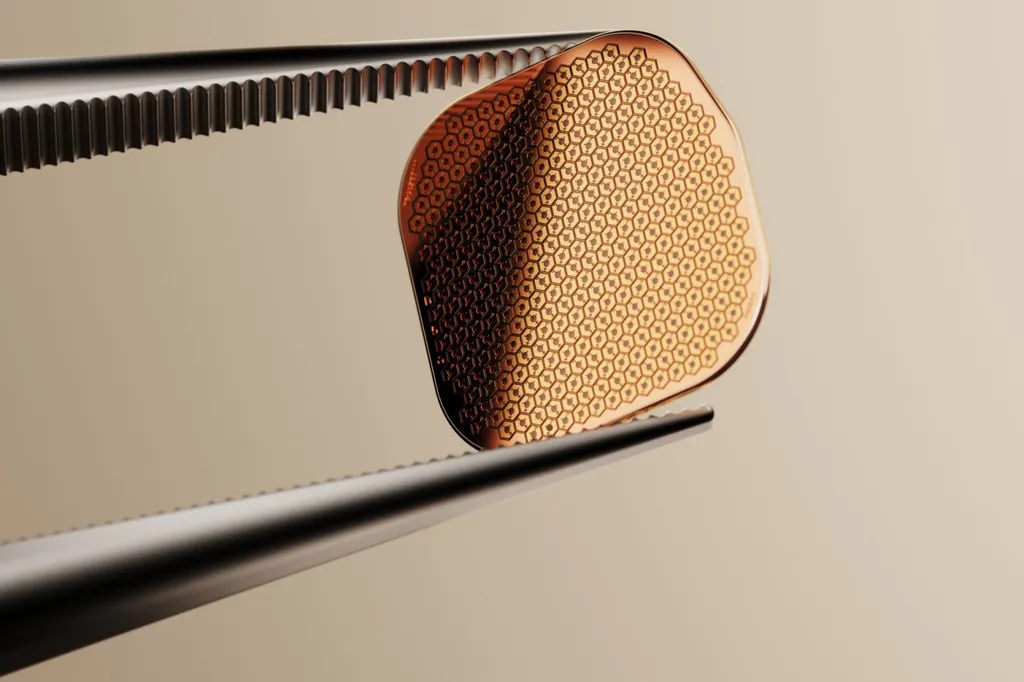
This is the first time that such a device – which enables people with a type of severe vision loss to read letters, numbers and words – has been approved anywhere in the world. “We’ve had patients who could recognise the face of the Queen and others who’ve drawn the Sydney Opera House through the device,” says Darius Shahida at Science Corporation in Alameda, California, the company behind the implant. Read more Resuscitated human retinas respond to light 10 hours after death Called the PRIMA implant, the device restores functional central vision – the straight-ahead sight required to see fine details and read words – in people with geographic atrophy.
- ▪This is the first time that such a device – which enables people with a type of severe vision loss to read letters, numbers and words – has been approved anywhere in the world.
- ▪“We’ve had patients who could recognise the face of the Queen and others who’ve drawn the Sydney Opera House through the device,” says Darius Shahida at Science Corporation in Alameda, California, the company behind the implant.
- ▪Read more Resuscitated human retinas respond to light 10 hours after death Called the PRIMA implant, the device restores functional central vision – the straight-ahead sight required to see fine details and read words – in people with geogr
New Scientist publishes from United Kingdom and files mainly under science. We currently carry 17 of its stories.
Story provenance
Source · retrieval · rights · ranking — open for full record
inspect →
Story provenance
Attribution is not the same as permission. This drawer separates discovery metadata, excerpts, WeSearch-generated summaries, reuse status, and whether the publisher receives the visit. Nothing here claims a legal grant the publisher has not made.
Record
| Original publisher | New Scientist |
| Canonical URL | https://www.newscientist.com/article/2581477-eye-implant-that-restores-vision-lost-to-age-approved-for-use/?utm_campaign=RSS|NSNS&utm_content=home&utm_medium=RSS&utm_source=NSNS |
| Publication time | Mon, 27 Jul 2026 14:15:16 +0000 |
| Retrieval time | 2026-07-27T14:16:22.265Z |
| Last seen | 2026-07-27T14:16:22.265Z |
| Headline source | Publisher (no WeSearch rewrite) |
| Excerpt source | publisher body |
| Excerpt method | First ~120 words (~800 chars) of extracted publisher body, fair-use limited. |
| Summary | WeSearch · cerebras-chat (WeSearch summarizer) |
| Summary source text | contentText |
| Citation coverage | Summary is a WeSearch-generated derivative; primary citation is the original publisher URL. |
| Cluster | GjJT1oTys3Mv |
| Cluster logic | Grouped by semantic title/content similarity across sources within a rolling window. Same-publisher template collisions are excluded from coverage comparison. |
| Ranking reason | Story pages are not engagement-ranked. Hub feeds use recency, with optional source-diversified chronological ordering (cap consecutive stories per source). No personalized ranking. |
| Publisher visit | Yes — open original |
| Substitutes article? | No — link-out required for full text |
Rights status (four layers)
WeSearch handling by dimension
| Indexing | May the item be indexed (stored, ranked, made findable)? | Allowed |
| Snippet | May a short excerpt of the publisher's text be shown? | Allowed |
| AI summary | May WeSearch generate its own short summary of the article? | Limited |
| Retrieval / RAG | May the content be exposed for third-party retrieval-augmented generation? | Not asserted |
| Model training | May the content be used to train AI models? | Not asserted |
| Commercial reuse | May the content be reused commercially? | Not permitted |
Basis: Derived from the published RSS/Atom feed. Contact: [email protected]. Reviewed: 2026-07-24.
Opening excerpt (first ~120 words) tap to expand
Health Eye implant that restores vision lost to age approved for useAn eye implant and a pair of high-tech glasses that enable people with a severe form of vision loss to read have been approved for use by a European regulator By Oluoma Aneke 27 July 2026 Facebook Threads X / Twitter WhatsApp LinkedIn Reddit Email Print The implant is about the size of a pinhead and is inserted beneath the retinaScience Corporation A retinal implant that partly restores sight in people with a common form of blindness has been approved for use in Europe. This is the first time that such a device – which enables people with a type of severe vision loss to read letters, numbers and words – has been approved anywhere in the world.
…
Excerpt limited to ~120 words for fair-use compliance. The full article is at New Scientist.
Discussion
0 commentsMore from New Scientist