Health Trackers Are Finally Outgrowing Their Battery Problem
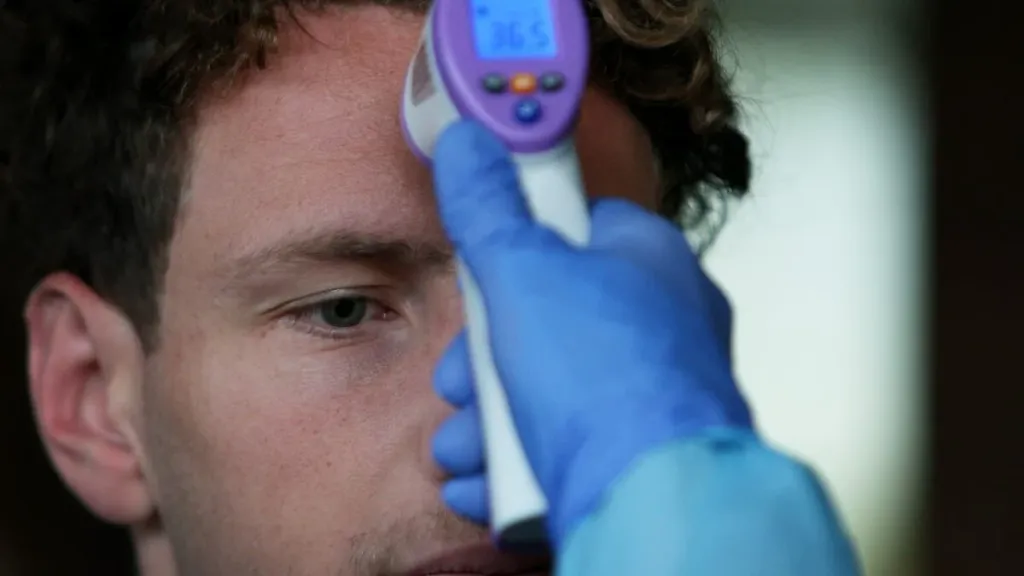
Health trackers are facing significant challenges with battery life, which can lead to data gaps and inaccurate health insights. Researchers at Texas A&M University have developed a method to charge devices using body heat, potentially improving the functionality of health monitoring technology. This innovation could lead to longer-lasting devices that require less frequent charging, marking a significant advancement in wearable health tech.
- ▪Health trackers often suffer from battery life issues that can affect data accuracy.
- ▪Texas A&M University researchers have created a device that can be powered by body heat.
- ▪This new technology could extend the lifespan of health monitoring devices significantly.
Opening excerpt (first ~120 words) tap to expand
One of the biggest challenges for health-tracking devices is battery life. Even if a product delivers fantastic health and sleep insights, the inevitable charge time will always leave users with a gap in their data, which can skew data trends, lead to inaccurate diagnoses, or fail to predict emergencies. As smart health tech moves from post-detection to prediction models, the need for complete tracking data becomes more crucial than ever. A new idea just might solve any problems related to data gaps in health trackers: charging through body heat. Texas A&M University researchers found a way to power a small electronic fever detector with body heat without requiring a massive amount of heat, a backup battery, or a large chassis to house the sensor.
…
Excerpt limited to ~120 words for fair-use compliance. The full article is at Gizmodo.
Discussion
0 commentsMore from Gizmodo