Hormuz shipping muted despite Iran war accord: trackers
Shipping through the Strait of Hormuz has remained at low levels despite the US-Iran agreement to end their war. The strategic waterway is a crucial route for global oil and liquefied natural gas exports, but uncertainty remains about the steps towards reopening. The US and Iran are set to formally sign the agreement on Friday, which is expected to lead to the reopening of the strait.
- ▪Only four crossings of the Strait of Hormuz were detected on Tuesday by vessels carrying raw materials.
- ▪The US military's counter-blockade of Iranian ports, imposed on April 13, has been lifted ahead of the formal signing of the agreement.
- ▪About 120 transits a day were recorded through the strait before the conflict erupted on February 28.
Opening excerpt (first ~120 words) tap to expand
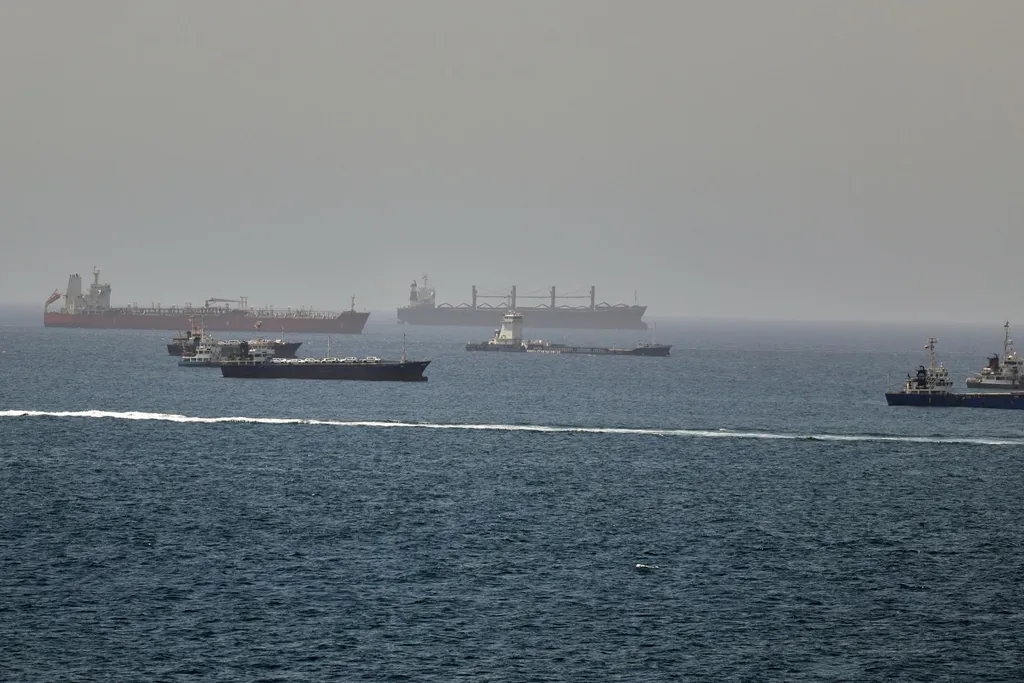
Tankers and cargo vessels are seen in the Gulf of Oman, along shipping routes linking the Strait of Hormuz and the Arabian Sea, Tuesday. AP-YonhapPARIS — Shipping through the Strait of Hormuz stayed at a trickle Tuesday, maritime trackers indicated, two days after the U.S. promised to reopen it under an agreement with Iran to end their war.As of 1500 GMT on Tuesday, tracking platform Kpler had detected just four crossings of the strategic waterway that day by vessels carrying raw materials.Five were detected on Monday — a similar rate to traffic during the week before the US-Iran agreement to end the Middle East war, announced late Sunday."The Strait of Hormuz continues to operate below normal commercial levels, despite signals of diplomatic progress," Kpler said on X.The Iranian…
Excerpt limited to ~120 words for fair-use compliance. The full article is at Korea Times.
Discussion
0 commentsMore from Korea Times