How the Iran war affects your money and bills

The ongoing conflict between the US, Israel, and Iran has contributed to rising fuel and energy costs in the UK, affecting household budgets through higher petrol prices, increased mortgage rates, and expected hikes in energy bills. While some fuel prices have recently begun to decline, the volatility in oil markets has already led to significant financial impacts for consumers. Mortgage rates have risen due to economic uncertainty, and future energy costs will depend heavily on developments in the Middle East and wholesale market trends.
- ▪The average working-age British household could be hundreds of pounds worse off in 2026 due to the Iran conflict, according to a think tank.
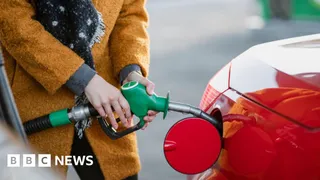
- ▪Petrol and diesel prices in the UK peaked in April 2026 after 46 consecutive days of increases, with the average cost to fill a family car rising by up to £27.
- ▪The average two-year fixed mortgage rate in the UK rose from 4.83% in March to 5.87% by late April 2026, driven by higher funding costs and economic uncertainty.
- ▪Ofgem's energy price cap is set to result in average annual dual-fuel bills of £1,836 from July to September 2026, up from £1,641, according to Cornwall Insight's forecast.
- ▪The UK's Financial Conduct Authority is investigating potential price gouging by fuel retailers during the period of rising oil prices.
Opening excerpt (first ~120 words) tap to expand
How the Iran war affects your money and bills20 April 2026ShareSaveAdd as preferred on GoogleKevin PeacheyCost of living correspondentGetty ImagesFrom petrol prices to mortgage rates, the US-Israel war with Iran has already had an impact on people's finances in the UK.One think tank has estimated the average working-age British household could be hundreds of pounds worse off this year as a result of the conflict.Here are some of the areas to watch out for.Fuel prices for motoristsDrivers have noticed that prices at the pump have jumped since the war began, but they are now dropping.Crude oil is a key ingredient in petrol and diesel, meaning higher wholesale costs make filling up a car more expensive.Analysts say every $10 (£7.53) increase in the wholesale oil price pushes up pump prices…
Excerpt limited to ~120 words for fair-use compliance. The full article is at BBC News — Business.
Discussion
0 commentsMore from BBC News — Business