It's Official: The Climate Scam Was a Scam All Along
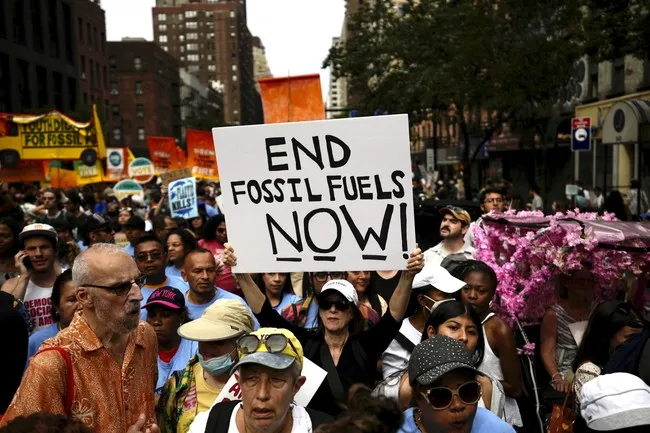
The Intergovernmental Panel on Climate Change (IPCC) has updated its climate scenarios, eliminating the most extreme and previously dominant projections as implausible. This shift implies that steep emission reduction targets by 2030 may no longer be considered scientifically necessary. The change, though based on a 2021 framework, is only now gaining attention, raising questions about media coverage and the future of climate policy narratives.
- ▪The IPCC has eliminated the most extreme climate scenarios from its latest framework, deeming them implausible.
- ▪The update affects the Science Based Targets initiative, removing the requirement for steep emission cuts by 2030.
- ▪Roger Pielke Jr. noted that earlier climate scenarios lacked systematic evaluation of plausibility.
- ▪The new HIGH scenario is described as an exploratory thought experiment, not a scientific projection.
- ▪Mainstream media coverage of this development has been limited, with awareness largely confined to alternative outlets.
- ▪Chris Morrison of the Daily Sceptic observed that the BBC has downgraded its climate coverage in prominence.
Opening excerpt (first ~120 words) tap to expand
It's Official: The Climate Scam Was a Scam All Along Stephen Green | 8:54 AM on May 05, 2026 AP Photo/Bryan Woolston, File It's nice when something you knew was a fraud all along turns out to be a fraud, but it's even nicer when the people perpetrating the fraud admit it was a fraud all along. Advertisement googletag.cmd.push(function () { googletag.display("div-gpt-300x250_3"); //googletag.pubads().refresh([gptAdSlot["div-gpt-300x250_3"]]) }); "The Intergovernmental Panel on Climate Change (IPCC) has just published the next generation of climate scenarios," science policy analyst Roger Pielke Jr wrote late last week, and in what he called "big news," the new framework "eliminated the most extreme scenarios that have dominated climate research over much of the past several decades."So the…
Excerpt limited to ~120 words for fair-use compliance. The full article is at PJ Media.
Discussion
0 commentsMore from PJ Media