Map Shows Where Americans Are Falling Behind on Debt Payments
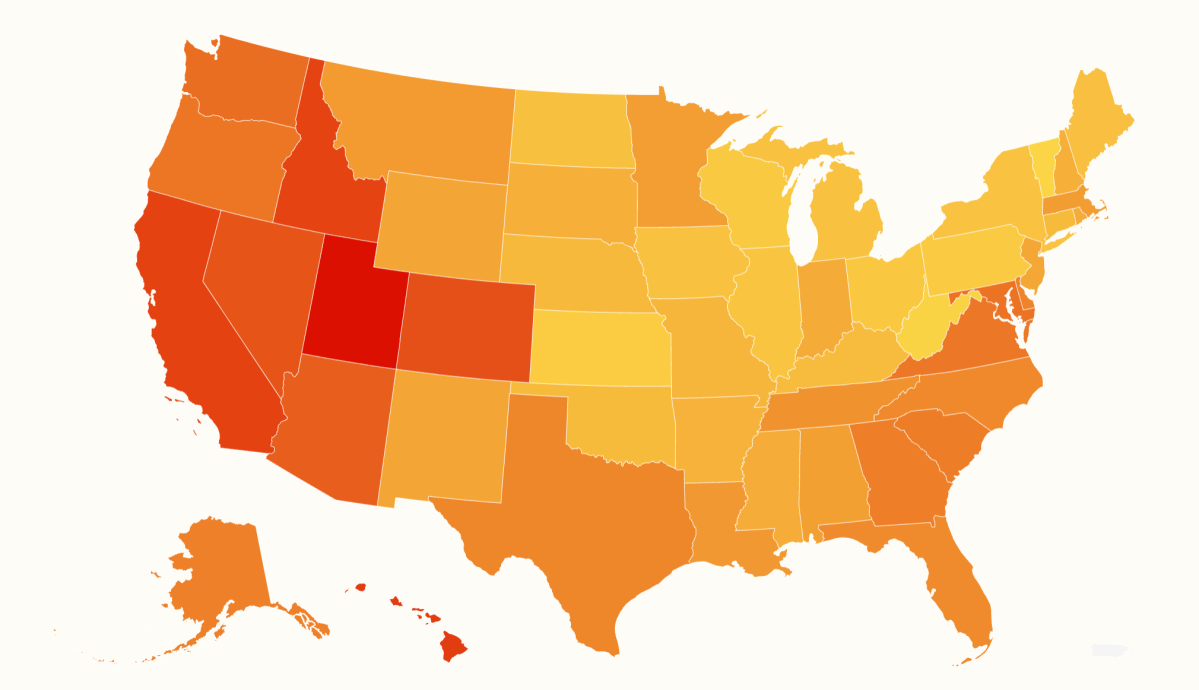
A new analysis by ConsumerAffairs reveals that average individual debt in the U.S. has nearly doubled since 2003, reaching $63,200 in 2025, which exceeds the average annual income by 40 percent. The study identifies Utah as the most debt-burdened state with a debt-to-income ratio of 199.4 percent, though delinquency rates remain low. In contrast, states like Louisiana, Nevada, and Mississippi face higher delinquency rates despite lower overall debt levels, indicating difficulties in keeping up with payments.
- ▪U.S. average individual debt rose from $32,840 in 2003 to $63,200 in 2025, resulting in a national debt-to-income ratio of 139.6 percent.
- ▪Utah has the highest debt-to-income ratio at 199.4 percent but maintains delinquency rates below the national average across all debt types.
- ▪Louisiana ranks second in debt burden due to the highest mortgage delinquency rate at 1.83 percent despite a lower debt-to-income ratio of 136.1 percent.
- ▪Nevada ranks third with a credit card delinquency rate of 16.3 percent and a debt-to-income ratio of 167.5 percent.
- ▪Mississippi has the nation’s highest student loan delinquency rate at 13.4 percent, even though its overall debt levels are relatively low.
Opening excerpt (first ~120 words) tap to expand
By Giulia CarbonaroSenior Housing ReporterShareNewsweek is a Trust Project memberSee more of our trusted coverage when you search.Prefer Newsweek on Googleto see more of our trusted coverage when you search.Americans are carrying more debt than they used to and are increasingly falling behind on payments, according to a new analysis of mortgages, auto loans, credit cards and student debt conducted by ConsumerAffairs.The review and consumer news platform found that debt pressures are very different across the U.S., but overall the national average individual debt has nearly doubled over the past two decades, soaring from $32,840 in 2003 to $63,200 in 2025.
…
Excerpt limited to ~120 words for fair-use compliance. The full article is at Newsweek.
Discussion
0 commentsMore from Newsweek