
It’s Toasted
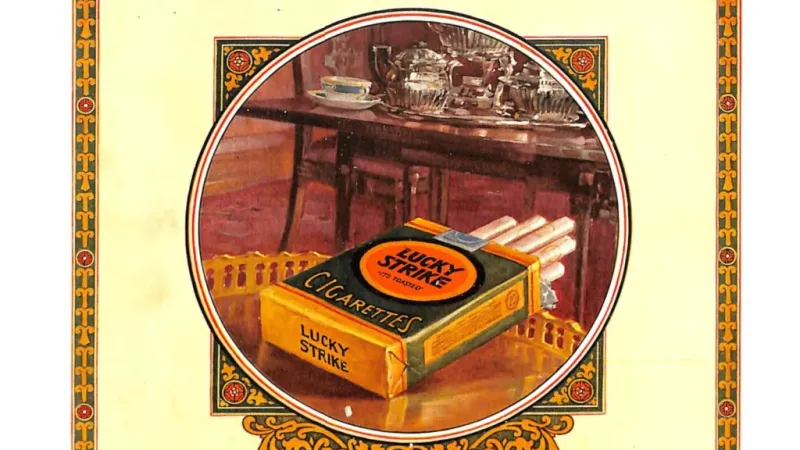
A century after tobacco company American Tobacco used the 'It’s Toasted' campaign to reframe health concerns about cigarettes, social media companies like Meta are employing similar public relations tactics to address criticism over the mental health impacts of their platforms. By promoting safety investments and standard features as unique benefits, Meta shifts focus from potential harms linked to design elements like infinite scroll and algorithmic feeds. As lawsuits mount and governments consider restrictions, parallels are drawn between the social media industry’s response and the tobacco industry’s historical efforts to downplay risks.
- ▪American Tobacco’s 'It’s Toasted' campaign reframed a common manufacturing process as a health benefit to ease public concerns about smoking.
- ▪Meta is accused of using similar PR strategies by highlighting standard safety measures to deflect criticism about the mental health effects of its platforms.
- ▪Recent research and internal disclosures suggest social media features may contribute to anxiety, depression, and compulsive use, especially among adolescents.
- ▪Australia banned social media for children under 16 in 2025, and other countries and US states are considering or implementing similar restrictions and warning labels.
- ▪Meta and YouTube were found negligent in a lawsuit brought by a young woman who claimed their platforms’ design contributed to her mental health distress, with thousands of similar cases pending in US courts.
Opening excerpt (first ~120 words) tap to expand
Commentary It’s Toasted In 1917, American Tobacco launched an ad campaign for its cigarette brand Lucky Strike, with the slogan It’s Toasted. The campaign was designed to address the growing public awareness that cigarettes pose serious health hazards. The heat treatment of tobacco during cigarette manufacturing was a common industrial process, by no means unique to Lucky Strike, but by focusing on it and giving it a name, American Tobacco managed to form the impression that Lucky Strike cigarettes were superior and less harmful than other brands. This gave cigarette smokers an excuse to ignore the risks of smoking, shifting the conversation from the toxicity of the product to the supposed benefits of its preparation.
…
Excerpt limited to ~120 words for fair-use compliance. The full article is at Y/NOTES.
Discussion
0 commentsMore from Y/NOTES


