Microbial Communities May Help Explain Why Some Ancient Bodies Disappear After Burial, While Others Remain
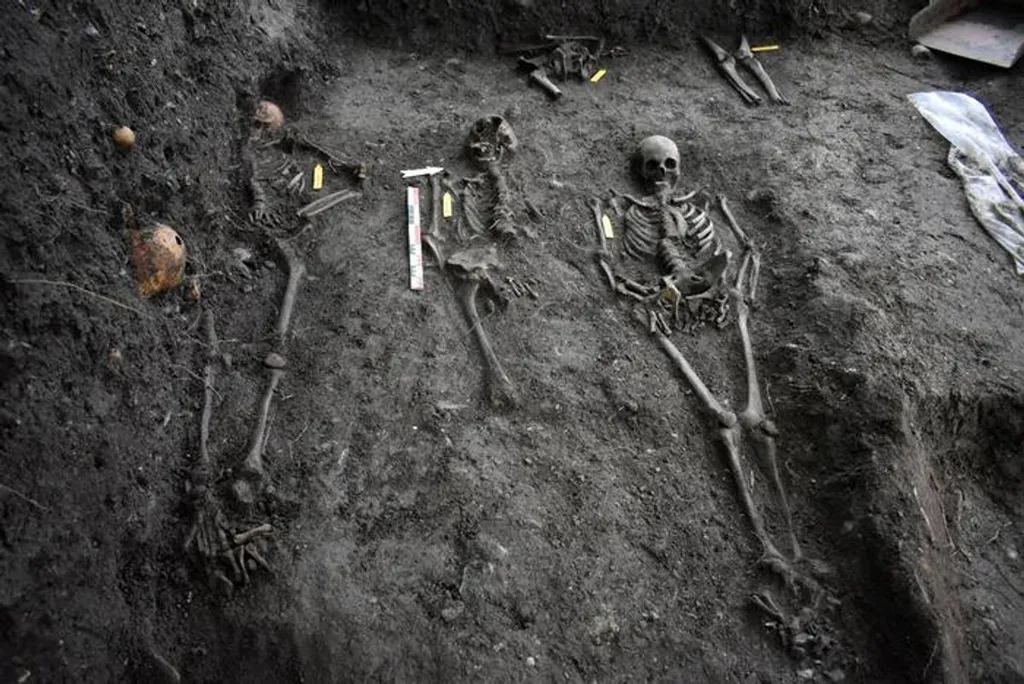
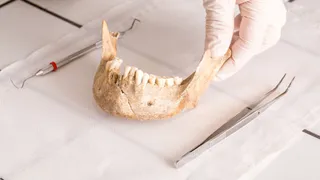
New research from the University of Stavanger reveals that microbial communities play a significant role in the preservation of archaeological bone samples. The study found that well-preserved bones harbor distinct microbial communities compared to heavily degraded ones. This research enhances our understanding of the microbial processes influencing bone decay and preservation over time.
- ▪The study analyzed bone samples from 83 individuals collected from six cemeteries in southwestern Norway.
- ▪Researchers identified distinct microbial communities associated with the preservation and degradation of bones.
- ▪Microbial diversity was found to increase around well-preserved bones and those buried indoors.
Opening excerpt (first ~120 words) tap to expand
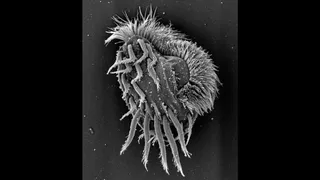
Archaeological bone samples can contain vital clues to what the past was like and how life evolved. Among those clues are also tiny microbial communities that may, according to new research, impact the preservation of these bone samples. Science has long known that microbes contribute to bone decay through a process known as bioerosion — the breakdown of bone by microorganisms. Yet little is known about how this decay occurs and which of these tiny organisms is responsible. But that may now change. Publishing their findings in PLOS One, researchers from the University of Stavanger, Norway, reveal that well-preserved bone samples harbor distinct microbial communities compared with heavily degraded samples.
…
Excerpt limited to ~120 words for fair-use compliance. The full article is at Discover Magazine.
Discussion
0 commentsMore from Discover Magazine