Motorola just made silicon-carbon batteries mainstream — here’s what that means for the iPhone 18 and Samsung Galaxy S27
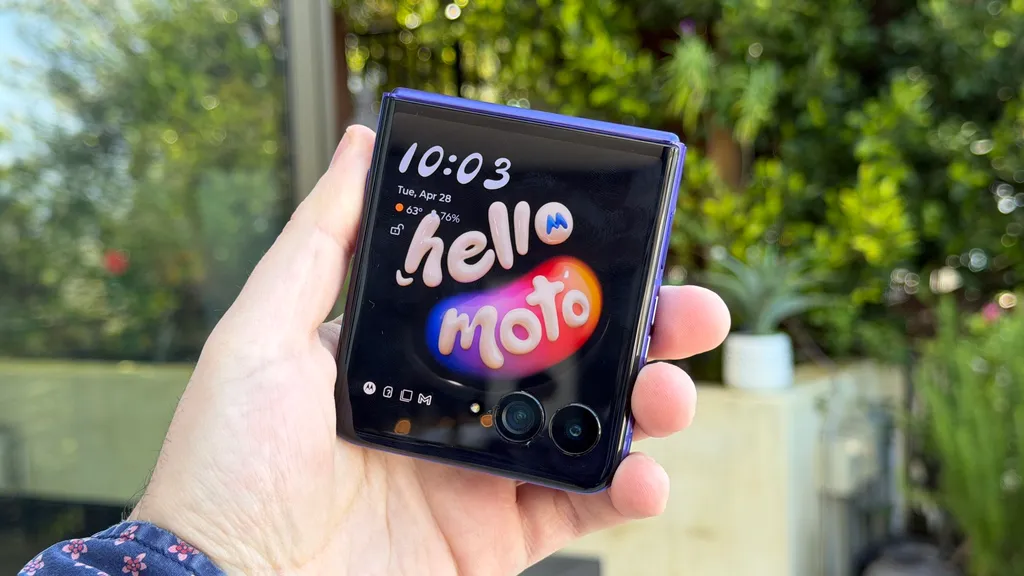
Motorola has introduced silicon-carbon batteries in its new Razr Ultra 2026 and Razr Fold phones, offering higher battery capacity without increasing device size. The Razr Fold marks the first silicon-carbon battery phone available through major US carriers. This advancement may pressure competitors like Samsung and Apple to adopt similar technology in future models.
- ▪The Motorola Razr Ultra 2026 has a 5,000mAh silicon-carbon battery, an increase from the 4,700mAh battery in its predecessor.
- ▪The Motorola Razr Fold features a 6,000mAh silicon-carbon battery and will be available through T-Mobile, Xfinity Mobile, and Verizon.
- ▪Silicon-carbon batteries enable higher energy density without increasing the physical size or weight of the device.
- ▪Foldable phones like the Razr Fold benefit significantly from this technology due to space constraints.
- ▪Battery life is the top factor influencing smartphone purchases, increasing pressure on Samsung and Apple to adopt silicon-carbon batteries.
Opening excerpt (first ~120 words) tap to expand
Phones Motorola Phones Motorola just made silicon-carbon batteries mainstream — here’s what that means for the iPhone 18 and Samsung Galaxy S27 News By James Rogerson published 30 April 2026 Bringing silicon-carbon to the masses When you purchase through links on our site, we may earn an affiliate commission. Here’s how it works. The Motorola Razr Ultra 2026 (Image credit: Future/Jacob Krol) Copy link Facebook X Whatsapp Reddit Pinterest Flipboard Threads Email Share this article 0 Join the conversation Follow us Add us as a preferred source on Google Newsletter Subscribe to our newsletter The Motorola Razr Ultra 2026 and Motorola Razr Fold both have silicon-carbon batteriesThis technology allows for a higher capacity with the same footprintThe Razr Fold is the first silicon-carbon phone…
Excerpt limited to ~120 words for fair-use compliance. The full article is at TechRadar.
Discussion
0 commentsMore from TechRadar