WeSearch

'My husband might give up work to care for our kids' - nursery bills in Wales highest in Britain
·6 min read · 0 reactions · 0 comments · 1 view
'My husband might give up work to care for our kids' - nursery bills in Wales highest in Britain

Parents in Wales say the cost of childcare is one of their biggest worries ahead of the election.

Original article
BBC News
Read full at BBC News →
Full article excerpt tap to expand

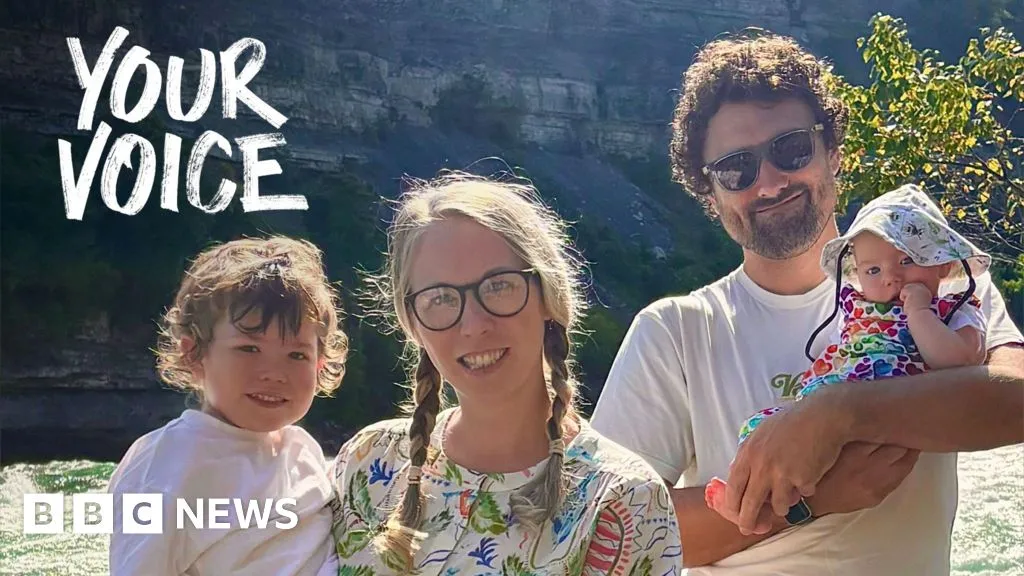
'My husband might give up work to care for our kids' - nursery bills in Wales highest in Britain5 hours agoShareSaveAdd as preferred on GoogleSarah EasedaleBBC WalesCharlotte SeddonCharlotte Seddon, pictured with her family, says the cost of her baby's nursery fees will mean it's not worth her husband working Mum-of-two Charlotte Seddon says she and her husband might have had more children if it wasn't for the high cost of childcare in Wales."We would have had the children closer together. We possibly may have had more," said Seddon, from Connah's Quay, Flintshire."But the cost of childcare is the main concern about having them... And I think a lot of the mums that I speak to are in the same situation."Nursery costs for under-twos are more expensive in Wales than anywhere else in Great Britain, according to the children's charity Coram.Parents across Wales have been in touch with BBC Your Voice about rising childcare costs ahead of the Senedd election on 7 May.At a baby music class in Flintshire, close to the border with England, childcare costs are a big topic of conversationCoram's most recent survey found that the average cost of a part-time nursery place in Wales was £166.33 a week - an increase of 8% on 2025.In Wales, there are two funded childcare schemes for children aged two, three and four.Under the Childcare Offer, parents and guardians of three and four-year-old children can claim up to 30 hours of free childcare each week, for up to 48 weeks of the year.Flying Start provides 12.5 hours of free childcare per week to two-year-olds in eligible areas. The plan is for this to gradually be rolled out to all areas.However, in England parents can claim 30 hours of free childcare a week for children from nine months old.What help is there with childcare costs in Wales?Have the 30 hours of funded childcare brought down costs for parents in England?Seddon, who is currently on maternity leave from her job in insurance, also has a three-year-old son and is now getting the funded nursery hours for him.But she said having free childcare from nine months would have made a huge difference, as she calculated that a mum in England in her situation would have been £12,000 better off over the past two years.The cost of childcare is why she and her husband waited to have their daughter.Seddon said her husband is considering leaving his job to care for their daughter once she returns to work, because the nursery bills will exceed his pay. Some funded hours of childcare would be a huge help, she added.Charlotte Seddon, with daughter Lilian, says having the same funded childcare hours as England would make a big difference to her family"Our [nursery] bill's now about £350 a month for the three days a week," said Seddon, at a baby music class in Flintshire, close to the border with England."Prior to that it was £900 a month. We couldn't have had two bills that high because it's more than mortgage payments and everything else."You've just got to sacrifice for those first three years or save up. We did beforehand, in order to make sure we could afford it."She added: "If we could just get the same support that England are getting, that would go a long way."'Postcode lottery'Amy Doyle moved to Flintshire from Chester after becoming pregnant with her now six-month-old son, Dexter, but did not realise the difference in the childcare offer between Wales and England."It's a bit upsetting to be honest because when you think about how it goes, we're all part…

This excerpt is published under fair use for community discussion. Read the full article at BBC News.

Anonymous · no account needed
Share 𝕏 Facebook Reddit LinkedIn Email

Discussion

0 comments

More from BBC News