New treatment cuts bad cholesterol by nearly 50% without statins
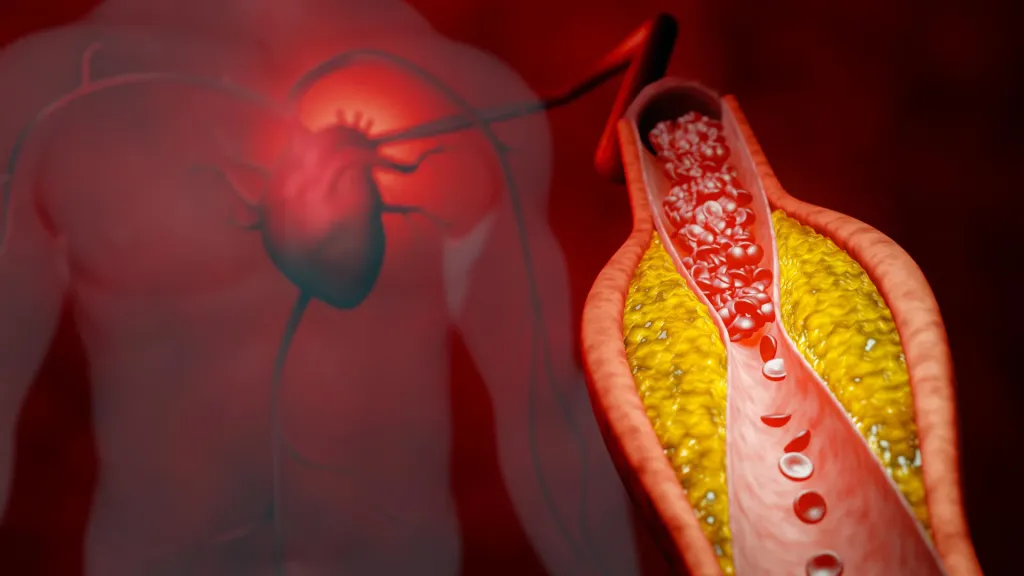
Researchers have developed a DNA-based therapy that reduces 'bad' LDL cholesterol by nearly 50% in animal models by targeting the PCSK9 protein, which regulates cholesterol levels in the blood. The treatment uses polypurine hairpins (PPRHs) to block PCSK9 gene expression, increasing the liver's ability to remove cholesterol without using statins. The study, conducted by teams at the University of Barcelona and the University of Oregon, showed significant reductions in cholesterol and PCSK9 levels with potential to avoid side effects associated with current medications.
Opening excerpt (first ~120 words) tap to expand
Science News from research organizations New treatment cuts bad cholesterol by nearly 50% without statins A cutting-edge DNA therapy could slash “bad” cholesterol and bypass the side effects of today’s leading drugs. Date: May 1, 2026 Source: University of Barcelona Summary: A new breakthrough could change how high cholesterol is treated, offering a powerful alternative to traditional drugs. Researchers have developed tiny DNA-based molecules that shut down PCSK9—a key protein that keeps “bad” LDL cholesterol circulating in the blood. By blocking this protein, cells can absorb more cholesterol instead of letting it build up in arteries, dramatically lowering levels linked to heart disease.
…
Excerpt limited to ~120 words for fair-use compliance. The full article is at ScienceDaily.
Discussion
0 commentsMore from ScienceDaily