
Physical buttons outperform touchscreens in new cars (2023)
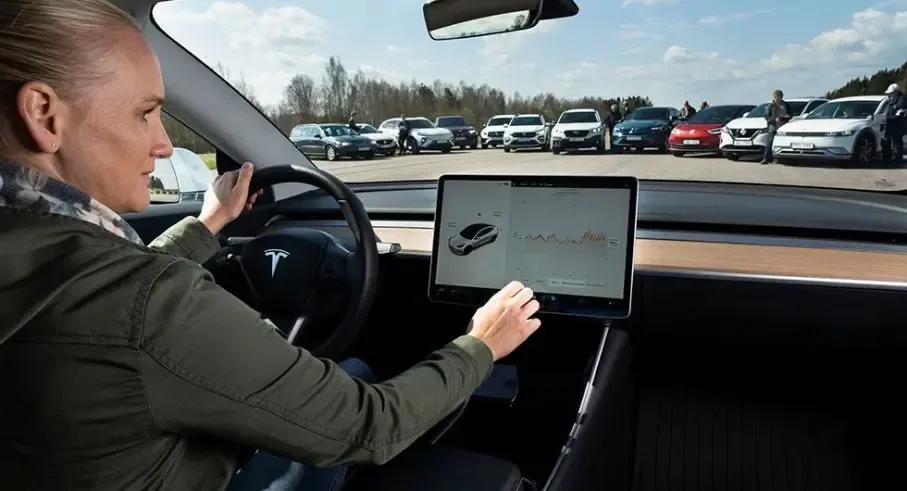
A Swedish motoring magazine tested driver interaction times with in-vehicle controls and found physical buttons significantly faster than touchscreens. Drivers completed tasks in older cars with physical controls much quicker than in modern touchscreen-equipped vehicles. The study highlights concerns over driver distraction and safety risks associated with complex infotainment systems.
- ▪Vi Bilägare tested 11 modern cars and a 2005 Volvo V70 to measure driver task completion times at 110 km/h.
- ▪The 2005 Volvo V70 allowed drivers to complete four tasks in under 10 seconds, while the MG Marvel R took 44.6 seconds.
- ▪The UK's TRL research in 2020 found Apple CarPlay and Android Auto interfaces slowed reaction times comparable to drink or drug driving.
- ▪Cars like the Dacia Sandero and Volvo C40 performed better than others despite having touchscreens, possibly due to simpler designs.
- ▪The BMW iX and Seat Leon required drivers to travel nearly a kilometer to complete the same tasks.
- ▪Completing tasks in modern touchscreen cars took at least a third longer than in the older Volvo.
Opening excerpt (first ~120 words) tap to expand
Physical buttons outperform touchscreens in new cars News Distraction, Sweden, Vehicle safety January 20, 2023 Drivers take much longer to perform regular tasks on in-vehicle touch screens compared to physical buttons and switches, according to tests carried out by a Swedish motoring magazine. Vi Bilägare selected 11 modern cars from different manufacturers for tests at an airfield, measuring the time needed for a driver to perform different basic tasks, such as changing the radio station or adjusting the temperature. At the same time, the car was driven at 110 km/h (68 mph). A 17 year-old Volvo, without a touchscreen was selected, for comparison. Drivers had time to get to know the cars and their infotainment systems before the test began.
…
Excerpt limited to ~120 words for fair-use compliance. The full article is at ETSC.
Discussion
0 commentsMore from ETSC


