Researchers Tap Into Ancient Glassmaking Tricks to Engineer Carbon-Trapping Glass
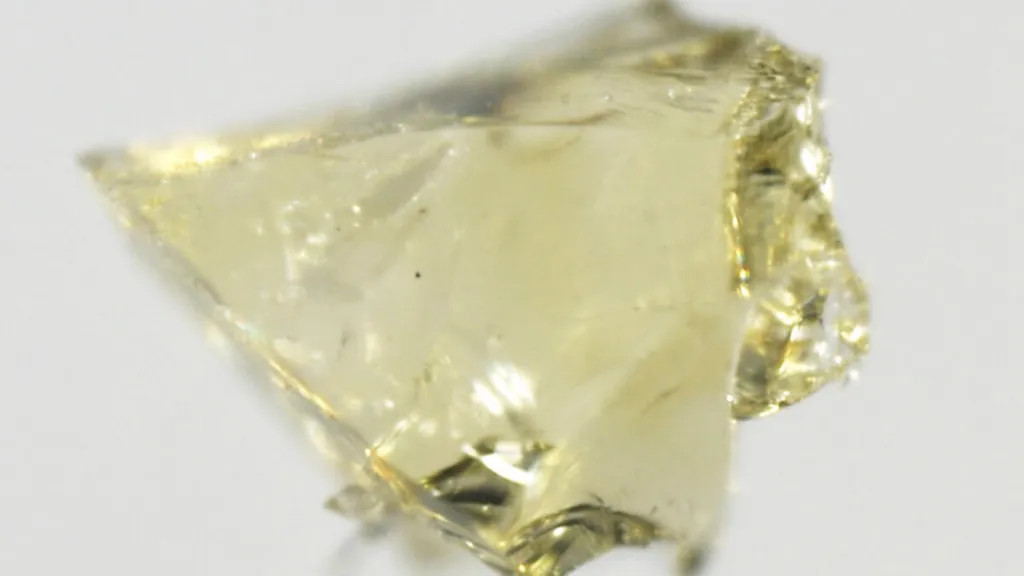
Researchers have discovered ancient glassmaking techniques that can enhance modern carbon-trapping glass. By using traditional additives, they have improved the properties of zeolitic imidazolate framework (ZIF) glass, making it more effective for carbon capture. This advancement could lead to the development of high-performance materials for various applications.
- ▪Ancient glassmaking techniques have been adapted to improve modern ZIF glass for carbon capture.
- ▪Additives like sodium benzimidazolate have increased the efficiency of ZIF-62 glass in absorbing carbon dioxide.
- ▪The research provides a framework for applying traditional glassmaking methods to new materials.
Opening excerpt (first ~120 words) tap to expand
Precision chemical analysis tools used by both archaeologists and high-tech materials engineers have teased out evidence of surprisingly sophisticated glassmaking across the ancient world. Blown glass fritted with metallic additives like cobalt, creating vivid blue hues, spanned cultural sites along the entire Silk Road, dating as far back as the 2nd millennium BCE. And Late Bronze Age glass from Egypt and Mesopotamia has been found laced with copper, creating shimmering emerald greens for trade with Mycenaean…
Excerpt limited to ~120 words for fair-use compliance. The full article is at Gizmodo.
Discussion
0 commentsMore from Gizmodo