SoftBank is creating a robotics company that builds data centers — and already eyeing a $100B IPO
SoftBank is forming a new robotics company called Roze AI aimed at automating data center construction in the U.S. using autonomous robots to improve efficiency. The company is reportedly preparing for a potential IPO by the second half of 2026 with a targeted valuation of $100 billion. While the initiative aligns with broader tech industry trends in AI and automation, some internal stakeholders have expressed skepticism about the aggressive timeline and valuation goals.
- ▪SoftBank is creating a robotics company named Roze AI to automate data center construction in the United States.
- ▪Roze AI plans to use autonomous robots to make building server farms more efficient.
- ▪SoftBank is preparing Roze AI for a potential IPO by the second half of 2026 with a targeted valuation of $100 billion.
- ▪Some executives and internal stakeholders at SoftBank have expressed doubts about the feasibility of the $100 billion valuation and the proposed IPO timeline.
- ▪The move reflects a broader industry trend of applying AI and automation to modernize industrial sectors, similar to initiatives like Jeff Bezos’s Project Prometheus.
Opening excerpt (first ~120 words) tap to expand
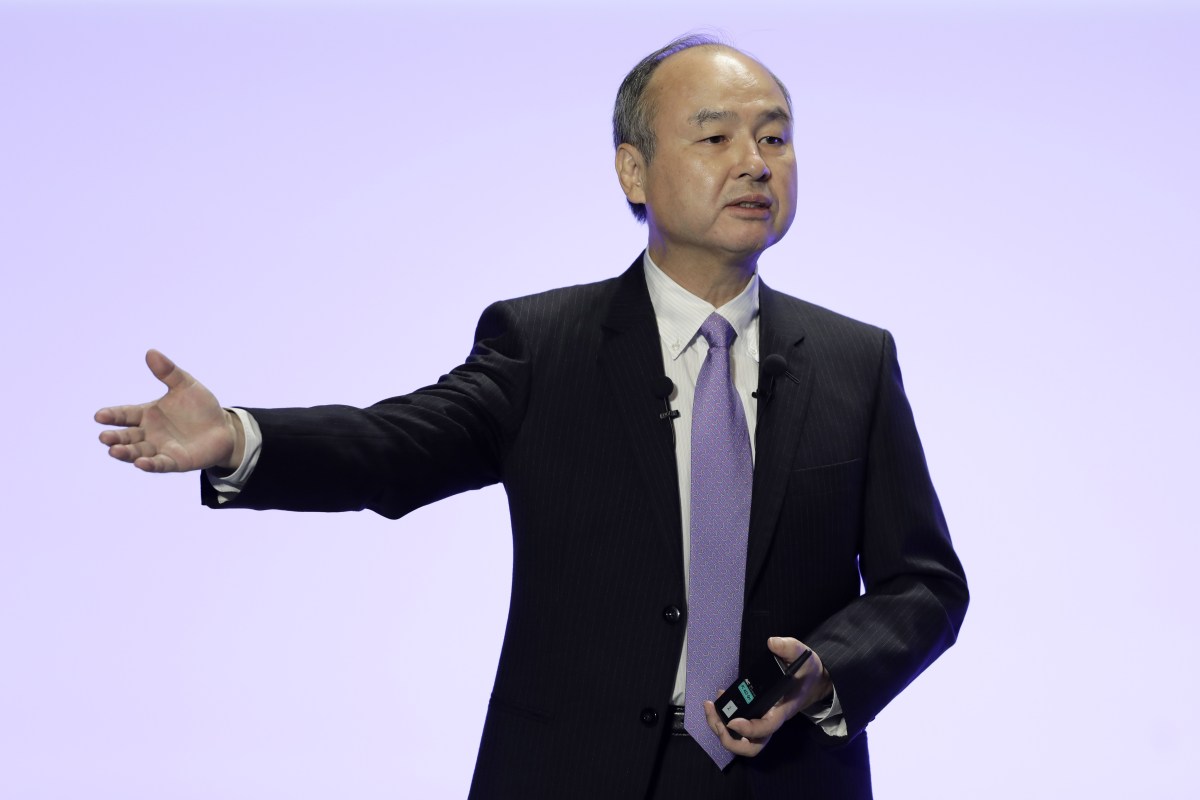
In Brief Posted: 8:58 PM PDT · April 29, 2026 Image Credits:Kiyoshi Ota / Bloomberg / Getty Images Lucas Ropek SoftBank is creating a robotics company that builds data centers — and already eyeing a $100B IPO Tech companies are racing to build out infrastructure that can further drive the automation boom. Now, Japanese multinational SoftBank reportedly plans to create a new company designed to automate the creation of that infrastructure. SoftBank is putting together a new business called Roze AI, the Financial Times originally reported. Roze would seek to make data center construction in the U.S. more “efficient,” the Wall Street Journal reports. It would do that by — among other things — deploying autonomous robots to help build server farms.
…
Excerpt limited to ~120 words for fair-use compliance. The full article is at TechCrunch.
Discussion
0 commentsMore from TechCrunch