The ACLU Is Arming Lawyers to Expose State Surveillance Secrets
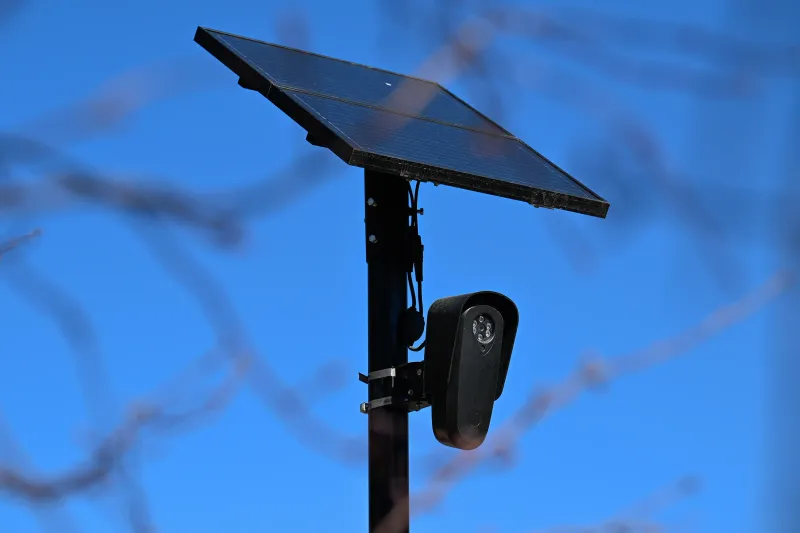
The filings rest on a bedrock rule of American criminal law, established in 1963, that prosecutors are required to turn over all evidence that could help the defense. One front is pressuring cities to drop tools like Flock, the license plate reader network, and ShotSpotter, the gunshot detection system, outright. Most Americans carried cell phones by the late 1990s, but the United States Supreme Court did not require police to get a warrant for cell phone location records until 2018.
- ▪The filings rest on a bedrock rule of American criminal law, established in 1963, that prosecutors are required to turn over all evidence that could help the defense.
- ▪One front is pressuring cities to drop tools like Flock, the license plate reader network, and ShotSpotter, the gunshot detection system, outright.
- ▪Most Americans carried cell phones by the late 1990s, but the United States Supreme Court did not require police to get a warrant for cell phone location records until 2018.
Opening excerpt (first ~120 words) tap to expand
Dell CameronSecurityJul 20, 2026 6:00 AMThe ACLU Is Arming Lawyers to Expose State Surveillance SecretsA new toolkit for attorneys in Massachusetts targets the technologies police use—and conceal—to build criminal cases, from facial recognition to AI-written police reports.Photograph: Getty ImagesCommentLoaderSave StorySave this storyCommentLoaderSave StorySave this storyThe American Civil Liberties Union of Massachusetts says it’s releasing an online toolkit this week for criminal defense attorneys designed to uncover whether police used surveillance technologies—facial recognition, automatic license plate readers, gunshot detection systems, and more—to build the cases against their clients in secret.The toolkit, which the group describes as the first of its kind, is built around…
Excerpt limited to ~120 words for fair-use compliance. The full article is at WIRED.
Discussion
0 commentsMore from WIRED