WeSearch

The GeForce RTX 30-series upgrade matrix — does your Ampere GPU need an upgrade in 2026?
https://www.tomshardware.com/author/jeffrey-kampman· ·16 min read · 0 reactions · 0 comments · 1 view
#gpu upgrade#nvidia#rtx 30-series#dlss 4.5#monitor upgrade
 The GeForce RTX 30-series upgrade matrix — does your Ampere GPU need an upgrade in 2026?
⚡ TL;DR · AI summary

Nvidia's RTX 30-series GPUs, launched in 2020, are aging and face limitations in 2026 due to insufficient VRAM and lack of support for newer technologies like DLSS Frame Generation and FP8 acceleration. While high-end models like the RTX 3080 Ti and 3090 remain viable for now, mid-range and lower cards such as the 3070, 3060 Ti, and 3060 are increasingly constrained, especially at higher resolutions. The best upgrade path for most users is the RTX 5070, which offers significant performance gains, more VRAM, and full support for modern features. However, monitor upgrades should be considered first if using older or lower-resolution displays.

Key facts
Original article
Tom's Hardware · https://www.tomshardware.com/author/jeffrey-kampman
Read full at Tom's Hardware →
Full article excerpt tap to expand

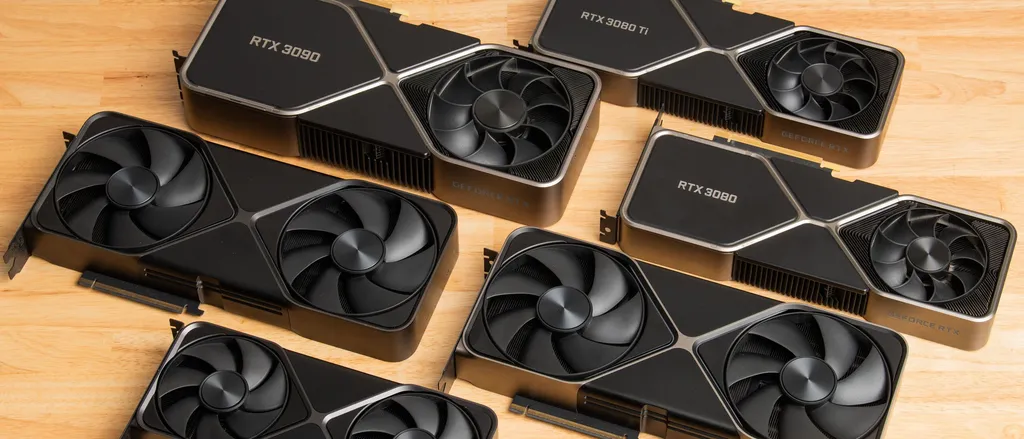
PC Components GPUs The GeForce RTX 30-series upgrade matrix — does your Ampere GPU need an upgrade in 2026? MEMBER EXCLUSIVE Features By Jeffrey Kampman published 28 April 2026 Is it finally time to upgrade from Ampere? When you purchase through links on our site, we may earn an affiliate commission. Here’s how it works. (Image credit: Tom's Hardware) Share Copy link Facebook X Whatsapp Reddit Pinterest Flipboard Email Share this article Join the conversation Follow us Add us as a preferred source on Google Newsletter Subscribe to our newsletter Nvidia’s RTX 30-series graphics cards made a big splash when they began arriving all the way back in 2020. Those products delivered a huge performance leap in their day, but time marches on for us all. The oldest Ampere cards are just a few months away from their sixth birthdays, and even though Nvidia has continued to support 30-series cards with its latest Game Ready driver optimizations and DLSS model upgrades, other signature GeForce features like DLSS Frame Generation are never coming to Ampere.Even where new software features are technically supported, Ampere comes with big asterisks. DLSS 4.5 is the first upscaling model to take advantage of FP8 acceleration that’s exclusive to RTX 40- and 50-series Tensor Cores. RTX 30-series cards can still technically run DLSS 4.5 upscaling models, but the improved image quality they offer now demands a significant performance penalty from Ampere compared to past DLSS versions. And if you want to experiment with frame generation, you have to deal with the lower image quality of AMD’s cross-platform FSR 3.1 framegen tech, assuming it’s available at all in a given title.Those software limitations aren’t insurmountable obstacles to a good gaming experience, but VRAM is a different story. Ampere cards arrived when games were less hungry for VRAM than they are today, and even the RTX 3080 has just 10GB to play with. Unless you bought into the highest end of the Ampere range, you’re likely feeling constrained by your card’s 8GB of VRAM with max settings in the latest games at resolutions higher than 1080p.Article continues below You may like The GPU benchmarks hierarchy 2026 Best Graphics Cards for Gaming in 2026 AI craze leaves only one Nvidia RTX 50-series GPU at MSRP If any or all of those limitations have you itching for a more powerful, more flexible modern GPU, and you’d rather not navigate our GPU Hierarchy to figure out what constitutes a true upgrade, worry not. We’ve done the hard number-crunching work and thought through the most common gaming scenarios to arrive at the best upgrade path for each common Ampere card.So what defines an upgrade for the purposes of this guide? First and foremost, we want to see at least a 1.5x improvement in overall raster performance from GPU to GPU as a baseline, and larger leaps are even better. The architectural advances of Nvidia’s latest Blackwell GPUs naturally mean you’ll enjoy improved RT gaming performance from our picks, as well.Whatever your individual feelings for upscaling and framegen might be, you’ll enjoy greater freedom to play with DLSS 4.5 and MFG on the latest GeForces. Our path-traced performance results with Pragmata illustrate why you should use those features to the fullest, but it’s ultimately your choice. All told, raster gaming performance boosts still matter most, so that’s our hard line.If you’re already in the Nvidia fold, we expect that you want to stay there, so we’ve made our picks…

This excerpt is published under fair use for community discussion. Read the full article at Tom's Hardware.

Anonymous · no account needed
Share 𝕏 Facebook Reddit LinkedIn Email

Discussion

0 comments

More from Tom's Hardware