The GPS III Rollout is Almost Complete, But What is it?
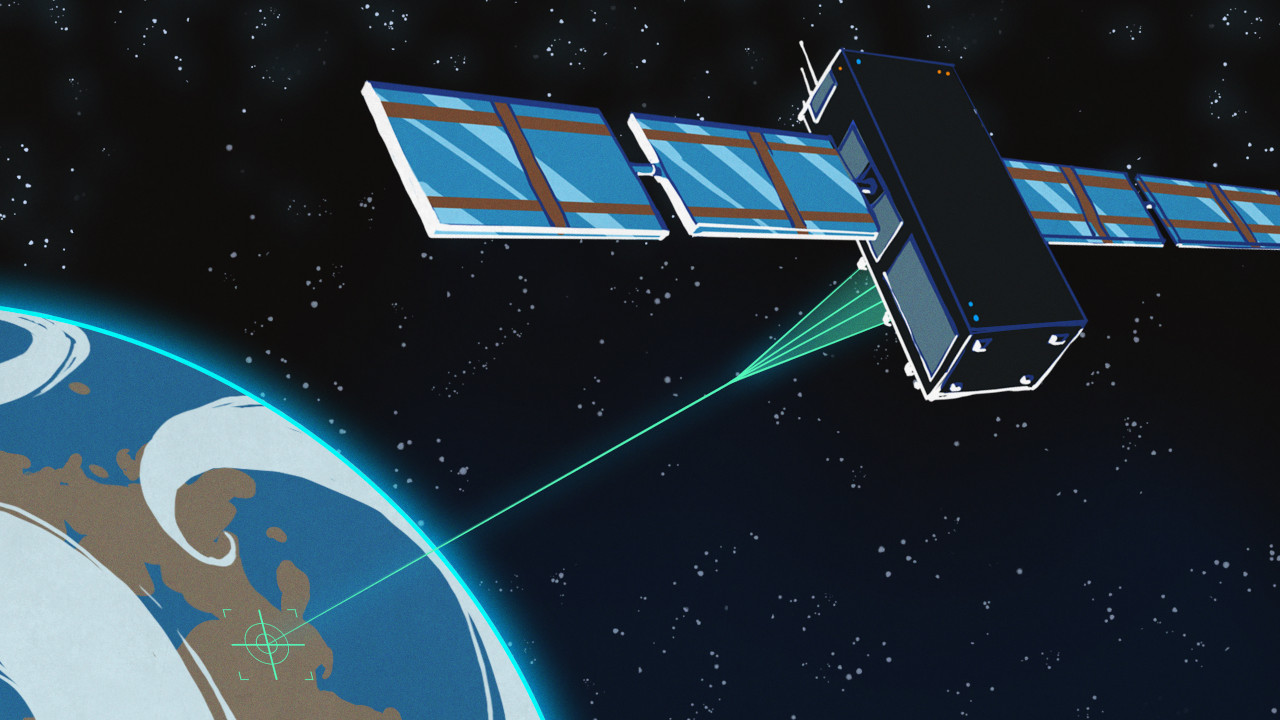
The rollout of the GPS III satellite constellation is nearly complete, with ten satellites already in orbit, marking a significant upgrade to the aging GPS system. These third-generation satellites offer improved accuracy, stronger signals, and enhanced resistance to jamming, benefiting both civilian and military users. Future GPS IIIF satellites will build on this foundation with advanced tracking, inter-satellite communication, and longer lifespans. The upgrades aim to maintain GPS reliability and performance without disrupting everyday users.
Full article excerpt tap to expand
The GPS III Rollout Is Almost Complete, But What Is It? No comments by: Tom Nardi April 28, 2026 Title: Copy Short Link: Copy Considering how integral it is to our modern way of life, you could be excused for thinking that the Global Positioning System (GPS) is a product of the smartphone era. But the first satellites actually came online back in 1978, although the system didn’t reach full operational status until April of 1995. While none of the active GPS satellites currently in orbit are quite that old, several of them were launched in the early 2000s — and despite a few tweaks and upgrades, their core technology isn’t far removed from their 1990s era predecessors. But in the coming years, that’s finally going to change. Just last week, the tenth GPS III satellite was placed in orbit by a SpaceX Falcon 9 rocket. Once it’s properly configured and operational, it will join its peers to form the first complete “block” of third-generation GPS satellites. Over the next decade, as many as 22 revised GPS III satellites are slated to take their position over the Earth, eventually replacing all of the aging satellites that billions of people currently rely on. So what new capabilities do these third-generation GPS satellites offer, and why has it taken so long to implement needed upgrades in such a critical system? GPS Is Good, But Could Be Better To understand the future of GPS, it’s helpful to look at its past. Developed by the United States military during the Cold War, what we now call GPS was originally known as Navigation System with Timing and Ranging (NAVSTAR). While the intent was always to allow civilian use of NAVSTAR, the equipment necessary to receive the signal and get a position was cumbersome and expensive. There was little public interest in the system until Korean Air Lines Flight 007 was shot down in 1983 after mistakenly entering the Soviet Union’s airspace. With the lifesaving potential of NAVSTAR clearly evident, pressure started building on the industry to develop smaller and more affordable receivers — GPS as we know it was born. NAVSTAR Satellite That the development of such devices was possible in the first place was thanks to the design of NAVSTAR. Each satellite in the constellation broadcasts a timed radio signal which receivers on the ground use to compute their distance from the source. By comparing the signals from multiple satellites, a receiver can plot its position without the need for any local infrastructure. Since the process is entirely one-way, the can could be freely used by any device can can receive and decode the signal. But while this operational simplicity was key to the proliferation of cheap ubiquitous GPS receivers, there’s certainly room for improvement given more modern technology. When NAVSTAR was designed knowing where a receiver was located within a radius of a few meters was more than sufficient, but today there’s a demand for greater accuracy by both civilian and military users. Given the essentially incalculable value of GPS to the global economy, improving reliability is also paramount. Not only has GPS jamming and spoofing become trivial, but even without the involvement of bad actors, legacy GPS struggles in urban environments. Plans to deliver improved performance in these areas have been in the works for decades, with the United States Congress first authorizing the work on what would become GPS III all the way back in 2000. But when working on a system so critical that even a few…
This excerpt is published under fair use for community discussion. Read the full article at Hackaday.