The Rapid Evolution of Giant Daisies
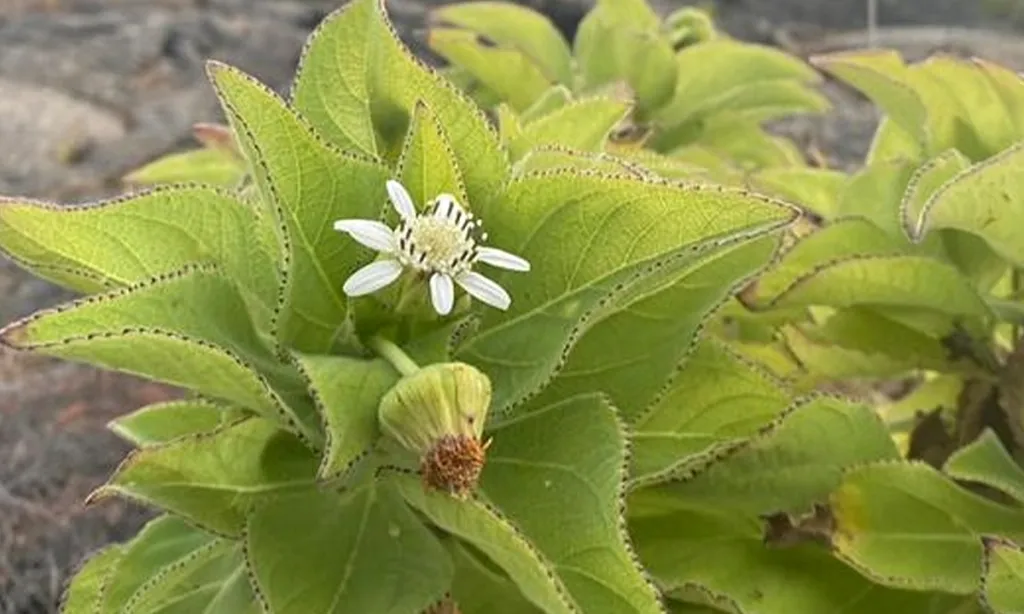
The giant daisy genus Scalesia, native to the Galápagos Islands, has undergone rapid adaptive radiation similar to Darwin’s finches, evolving into diverse forms to occupy various ecological niches. A new study reveals that different Scalesia species independently developed lobed leaves through distinct genetic pathways, showcasing parallel evolution. Researchers suggest that ongoing genetic divergence within species indicates that new Scalesia species may still be forming.
- ▪Scalesia daisies evolved into multiple species within the last 1 million years after colonizing the Galápagos Islands from mainland South America.
- ▪Different Scalesia species developed similar lobed leaves independently, using different genes in the leaf development pathway.
- ▪The study was published in Nature Communications and highlights Scalesia as a plant example of adaptive radiation.
- ▪Lobed leaves are thought to help the plants reduce water loss and stay cool in varying island climates.
- ▪Genetic differences within current Scalesia populations suggest ongoing speciation.
Opening excerpt (first ~120 words) tap to expand
{"@context":"https://schema.org","@type":"Article","headline":"The Rapid Evolution of Giant Daisies","description":"The Rapid Evolution of Giant Daisies: They’re the botanical versions of Darwin’s finches","image":["https://lede-admin.nautil.us/wp-content/uploads/sites/70/2026/04/Currie_HERO_f87e7b.png"],"datePublished":"2026-04-30T21:00:00+00:00","dateModified":"2026-04-30T20:33:25+00:00","author":[{"@type":"Person","name":"Jake…
Excerpt limited to ~120 words for fair-use compliance. The full article is at Nautil.
Discussion
0 commentsMore from Nautil