These twins were born within minutes of each other - but have different dads
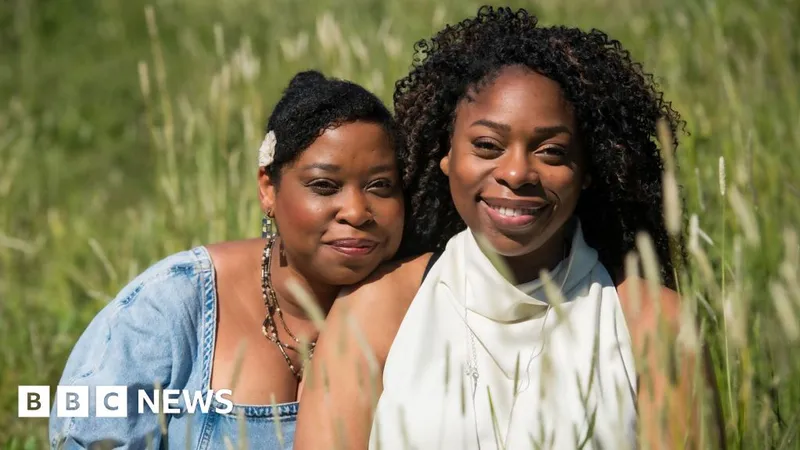
Lavinia and Michelle Osbourne, 49, are non-identical twins who discovered through a DNA test that they have different fathers, making them half-sisters. The rare phenomenon, known as heteropaternal superfecundation, occurs when two eggs are fertilized by sperm from different men during the same pregnancy. While Lavinia was devastated by the revelation, Michelle found it surprising but ultimately understandable.
- ▪Lavinia and Michelle Osbourne were born in 1976 in Nottingham to a 19-year-old mother who had suffered abuse.
- ▪Michelle's DNA test in 2022 revealed that James, long believed to be their father, was not her biological father.
- ▪Michelle's biological father was identified as Alex, a man who struggled with addiction and lived on the streets, while Lavinia's father remains unknown.
- ▪Only around 20 cases of heteropaternal superfecundation have been documented worldwide, with the Osbourne twins being the first confirmed case in the UK.
- ▪The twins shared a difficult childhood, often separated from their mother and raised by caregivers, relying solely on each other for emotional stability.
Opening excerpt (first ~120 words) tap to expand
These twins were born within minutes of each other - but have different dads6 minutes agoShareSaveAdd as preferred on GoogleJenny KleemanPresenter, The GiftBBCTwins Michelle and Lavinia Osbourne have always shared a special connection.But when Lavinia clicked on an email with results of an at-home DNA test in September 2022, she was filled with a sense of dread."Maybe subconsciously I knew," she says.Her test results revealed something astonishing: non-identical twins Lavinia and Michelle don't have the same father.They were conceived naturally, grown together in the same womb, and born to the same mother within minutes of each other - but they are half-sisters.Michelle and Lavinia, 49, exist because of an incredibly rare biological process called heteropaternal superfecundation.
…
Excerpt limited to ~120 words for fair-use compliance. The full article is at BBC News.
Discussion
0 commentsMore from BBC News