Trump says he's 'not satisfied' with Iran's proposal to end the war
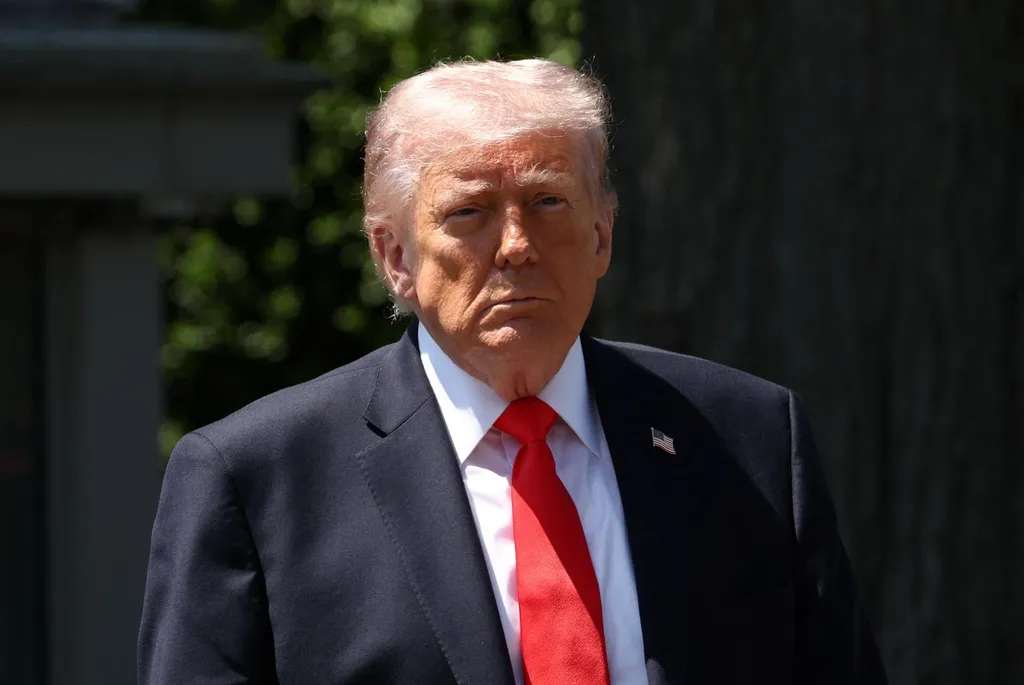
U.S. President Donald Trump rejected Iran's latest proposal to end the war, stating he was not satisfied with the terms and criticizing Iran's leadership as fractured. Despite the rejection, a fragile three-week ceasefire remains in place, though tensions persist over the Strait of Hormuz and economic pressures. Meanwhile, Iran's foreign minister is rallying regional and European support for diplomatic efforts to resolve the crisis.
- ▪President Trump dismissed Iran's recent peace proposal, citing dissatisfaction without detailing specific concerns.
- ▪The ceasefire between the U.S. and Iran continues, but both sides accuse each other of violations, and a U.S. naval blockade is severely impacting Iran's economy.
- ▪Iran's Foreign Minister Abbas Araghchi engaged in multiple diplomatic calls to promote Iran's peace plan, including discussions with EU officials and regional counterparts.
- ▪An explosion involving leftover bombs from recent strikes killed 14 Iranian Revolutionary Guard members near Zanjan.
- ▪Imprisoned Nobel Peace Prize laureate Narges Mohammadi was hospitalized due to a severe cardiac crisis after 140 days of alleged medical neglect in prison.
Opening excerpt (first ~120 words) tap to expand
U.S. President Donald Trump departs the White House in Washington, D.C., Friday. Reuters-Yonhap ISLAMABAD — U.S. President Donald Trump rejected Iran’s latest proposal to end the war between the countries, saying Friday he still was not satisfied while blaming Iran’s “fractured” leadership.Trump turned back the latest proposal almost as soon as it was delivered. Iran’s state-run IRNA news agency reported that Iran handed over its plan to mediators in Pakistan on Thursday night.“They want to make a deal, I’m not satisfied with it, so we’ll see what happens,” Trump told reporters Friday at the White House, without elaborating on what he saw as its shortcomings.The shaky three-week ceasefire between the U.S.
…
Excerpt limited to ~120 words for fair-use compliance. The full article is at Korea Times.
Discussion
0 commentsMore from Korea Times