Bees found an unlikely new food source, and it could reshape how a destructive forest disease travels
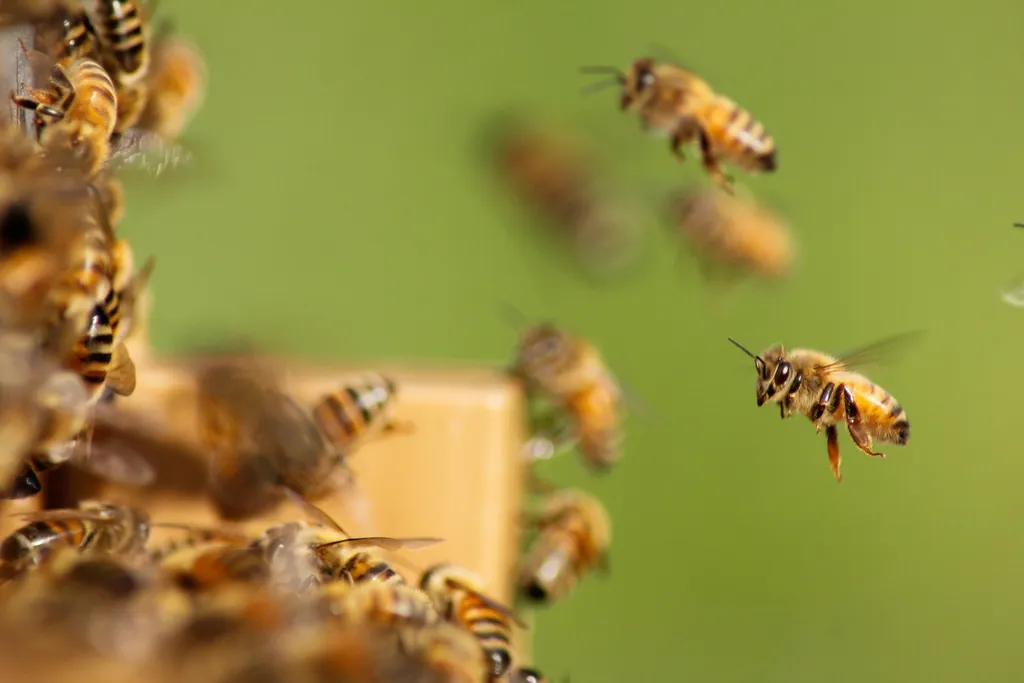
While rust fungi generally rely strictly on wind to spread, researchers discovered that bees may actively forage on the bright yellow fungus spores, packing them into their pollen baskets and carrying them back to the hive just as they would regular pollen. Through a series of experiments, the team made three significant findings. Firstly, the rust spores proved to be quite nutritious.
- ▪While rust fungi generally rely strictly on wind to spread, researchers discovered that bees may actively forage on the bright yellow fungus spores, packing them into their pollen baskets and carrying them back to the hive just as they woul
- ▪Through a series of experiments, the team made three significant findings.
- ▪Firstly, the rust spores proved to be quite nutritious.
Opening excerpt (first ~120 words) tap to expand
May 20, 2026 Bees found an unlikely new food source, and it could reshape how a destructive forest disease travels by Pensoft Publishers edited by Sadie Harley, reviewed by Robert Egan Sadie Harley Scientific Editor Meet our editorial team Behind our editorial process Robert Egan Associate Editor Meet our editorial team Behind our editorial process Editors' notes This article has been reviewed according to Science X's editorial process and policies. Editors have highlighted the following attributes while ensuring the content's credibility: fact-checked peer-reviewed publication trusted source proofread The GIST Add as preferred source Credit: Unsplash/CC0 Public Domain New research published in NeoBiota has found that the Western honey bee—an introduced species to Australia—and the…
Excerpt limited to ~120 words for fair-use compliance. The full article is at Phys.org.
Discussion
0 commentsMore from Phys.org