Cities meet ecology: New framework measures urban vibrancy through 13 human activity types
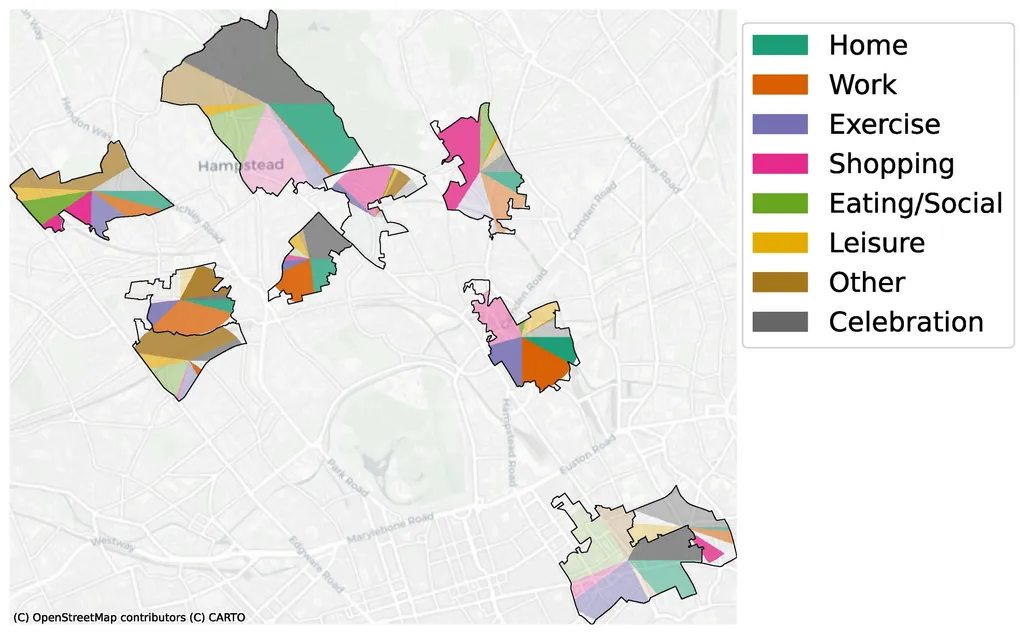
A new framework likens urban vibrancy to ecological biodiversity, assessing both the frequency and intensity of human activities in city spaces. The authors present a taxonomy of 13 activity categories derived from actual usage patterns rather than traditional land-use labels. They propose integrating mobile data, street-level imagery, and AI for real‑time monitoring while emphasizing privacy and inclusivity, and call for interdisciplinary pilot studies worldwide.
- ▪The researchers propose measuring urban vibrancy using ecological concepts such as frequency and intensity of human activities.
- ▪They introduce a taxonomy of 13 activity categories based on how people actually use urban spaces.
- ▪The framework suggests employing mobile data, street-level imagery, and AI to detect activities in real time, with attention to privacy and inclusivity.
- ▪Ecological ideas like carrying capacity and niche differentiation are applied to explain how overcrowding can diminish vibrancy.
- ▪The authors invite interdisciplinary collaborations across computer science, ecology, geography, and urban policy to pilot the framework in cities globally.
Opening excerpt (first ~120 words) tap to expand
May 19, 2026 Cities meet ecology: New framework measures urban vibrancy through 13 human activity types by PNAS Nexus edited by Gaby Clark, reviewed by Andrew Zinin Gaby Clark Scientific Editor Meet our editorial team Behind our editorial process Andrew Zinin Lead Editor Meet our editorial team Behind our editorial process Editors' notes This article has been reviewed according to Science X's editorial process and policies. Editors have highlighted the following attributes while ensuring the content's credibility: fact-checked peer-reviewed publication trusted source proofread The GIST Add as preferred source Urban vibrancy frequency and intensity.
…
Excerpt limited to ~120 words for fair-use compliance. The full article is at Phys.org.
Discussion
0 commentsMore from Phys.org