Detection at the nanoscale: A phosphate-detecting electrochemical sensor
A research team led by Suprem Das at Kansas State University has developed a novel electrochemical sensor that can detect phosphate molecules in water using printed graphene. The sensor is the first of its kind and has the potential to advance sensing technologies. The team's work has earned Das his fourth patent and further advances graphene's potential in various applications.
- ▪The sensor uses printed graphene to detect phosphate molecules in water.
- ▪The technology works by applying a small electrical voltage to the sensor surface, enabling the detection and quantification of phosphate molecules.
- ▪The research team has tested samples over several months and received consistent results.
Opening excerpt (first ~120 words) tap to expand
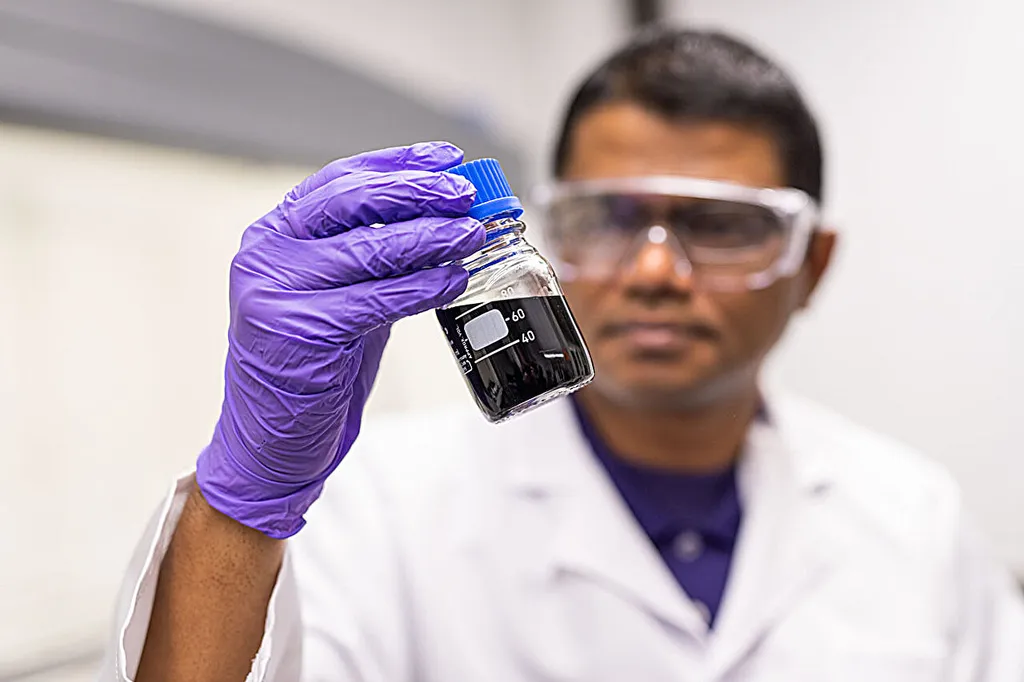
June 4, 2026 Detection at the nanoscale: A phosphate-detecting electrochemical sensor by Taylor Provine, Kansas State University edited by Sadie Harley, reviewed by Andrew Zinin Sadie Harley Scientific Editor Meet our editorial team Behind our editorial process Andrew Zinin Lead Editor Meet our editorial team Behind our editorial process Editors' notes This article has been reviewed according to Science X's editorial process and policies. Editors have highlighted the following attributes while ensuring the content's credibility: fact-checked trusted source proofread The GIST Add as preferred source Suprem Das examines a container of graphene in the form of printable ink. Credit: Kansas State University Graphene, the "wonder material," has shaped much of Suprem Das's research career.
…
Excerpt limited to ~120 words for fair-use compliance. The full article is at Phys.org.
Discussion
0 commentsMore from Phys.org