Earth is heating up faster than at any time in its history
But how much hotter will it get, and what will that mean for life on Earth? To get a picture of our future, we can either use computer models or look to episodes of rapid climate change in the geological record. While models are invaluable in terms of tracking where our world may be heading, peering back into deep time provides unrivalled information about cause and effect; about how the climate has changed in the past and what the consequences were.
- ▪But how much hotter will it get, and what will that mean for life on Earth?
- ▪To get a picture of our future, we can either use computer models or look to episodes of rapid climate change in the geological record.
- ▪While models are invaluable in terms of tracking where our world may be heading, peering back into deep time provides unrivalled information about cause and effect; about how the climate has changed in the past and what the consequences wer
New Scientist publishes from United Kingdom and files mainly under science. We currently carry 17 of its stories.
Story provenance
Source · retrieval · rights · ranking — open for full record
inspect →
Story provenance
Attribution is not the same as permission. This drawer separates discovery metadata, excerpts, WeSearch-generated summaries, reuse status, and whether the publisher receives the visit. Nothing here claims a legal grant the publisher has not made.
Record
| Original publisher | New Scientist |
| Canonical URL | https://www.newscientist.com/article/2581280-earth-is-heating-up-faster-than-at-any-time-in-its-history/?utm_campaign=RSS|NSNS&utm_content=home&utm_medium=RSS&utm_source=NSNS |
| Publication time | Fri, 24 Jul 2026 15:25:47 +0000 |
| Retrieval time | 2026-07-24T15:29:12.609Z |
| Last seen | 2026-07-24T15:29:12.609Z |
| Headline source | Publisher (no WeSearch rewrite) |
| Excerpt source | publisher body |
| Excerpt method | First ~120 words (~800 chars) of extracted publisher body, fair-use limited. |
| Summary | WeSearch · cerebras-chat (WeSearch summarizer) |
| Summary source text | contentText |
| Citation coverage | Summary is a WeSearch-generated derivative; primary citation is the original publisher URL. |
| Cluster | xevWsBCS8I5F |
| Cluster logic | Grouped by semantic title/content similarity across sources within a rolling window. Same-publisher template collisions are excluded from coverage comparison. |
| Ranking reason | Story pages are not engagement-ranked. Hub feeds use recency, with optional source-diversified chronological ordering (cap consecutive stories per source). No personalized ranking. |
| Publisher visit | Yes — open original |
| Substitutes article? | No — link-out required for full text |
Rights status (four layers)
WeSearch handling by dimension
| Indexing | May the item be indexed (stored, ranked, made findable)? | Allowed |
| Snippet | May a short excerpt of the publisher's text be shown? | Allowed |
| AI summary | May WeSearch generate its own short summary of the article? | Limited |
| Retrieval / RAG | May the content be exposed for third-party retrieval-augmented generation? | Not asserted |
| Model training | May the content be used to train AI models? | Not asserted |
| Commercial reuse | May the content be reused commercially? | Not permitted |
Basis: Derived from the published RSS/Atom feed. Contact: [email protected]. Reviewed: 2026-07-24.
Opening excerpt (first ~120 words) tap to expand
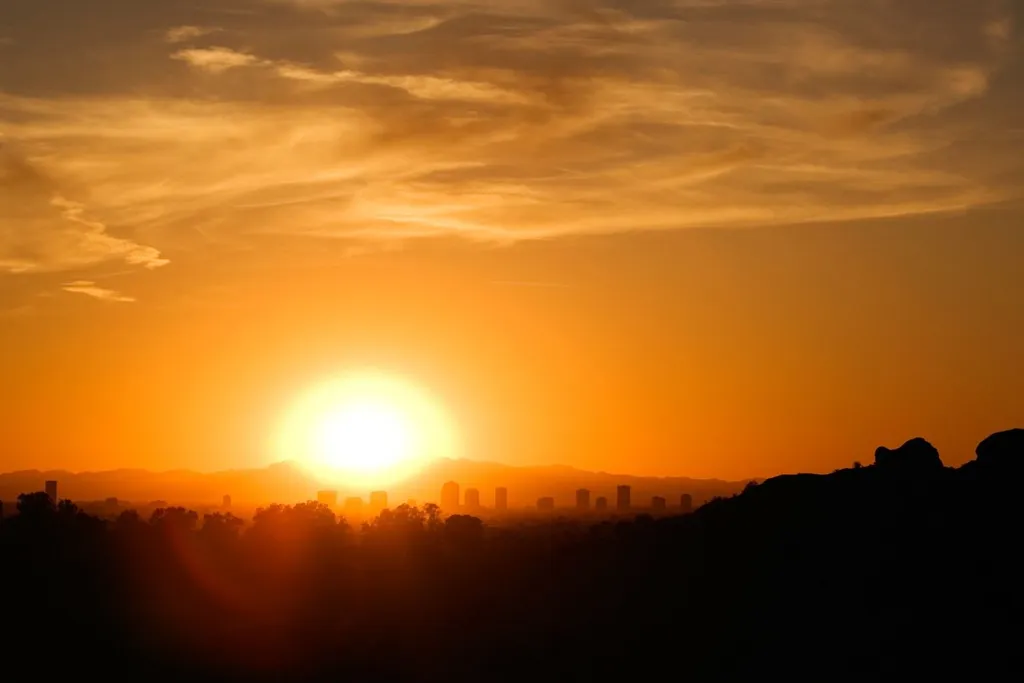
Environment Earth is heating up faster than at any time in its historyTo understand where climate change is heading, we have to look at the planet’s distant past and appreciate the disturbing uniqueness of our situation, says Bill McGuire By Bill McGuire 24 July 2026 Facebook Threads X / Twitter WhatsApp LinkedIn Reddit Email Print Rising levels of carbon dioxide in the atmosphere are trapping more heatBill Gozansky/Alamy As Europe bakes in what could be its hottest and driest summer on record, the rapid transformation of our climate is harder than ever to ignore. But how much hotter will it get, and what will that mean for life on Earth? To get a picture of our future, we can either use computer models or look to episodes of rapid climate change in the geological record.
…
Excerpt limited to ~120 words for fair-use compliance. The full article is at New Scientist.
Discussion
0 commentsMore from New Scientist